x


 Preview
 Užsisakyti kopiją Pirkti skaitmeninį paveikslą
 Pasidalinti
 Išsamiau
 Pridėti į mėgstamiausius
 Atsisiųsti
 Panašūs eksponatai
 Rentgeno nuotrauka
 Automatinė diorama
Muziejų lygio „giclée“ arba drobos spausdinimas: greita gamyba ir lankstios apdailos parinktys.





























Pasirinkite iš mūsų nustatytų dydžių, atitinkančių originalaus meno kūrinio proporcijas.

Galite nurodyti savo matmenis, kad vaizdas atitiktų konkretų rėmą ar erdvę. Jei pasirinktas dydis nesutaps su originalaus paveikslėlio proporcijomis, mes arba apkirpsime kūrinį, arba išplėsime vaizdą naudojant veideliu atspindėtą arba vientisą šoną. Skaitmeninis maketas bus išsiųstas jums patvirtinti prieš pradedant gamybą.
Atkreipkite dėmesį, kad ekrane matomas vaizdinys neatspindi tikrojo apkirpimo ar išplėtimo. Tik maketas tiksliai parodytų galutinę kompoziciją.
Nors galima rinktis ir individualius dydžius, rekomenduojame pasirinkti vieną iš išanksti nustatytų matmenų, kad būtų išlaikytos originalios proporcijos.
Pristatymas visame pasaulyje () per 2 weeks, o ne įprastas 4/5 savaičių laikotarpis. (27 liepa)


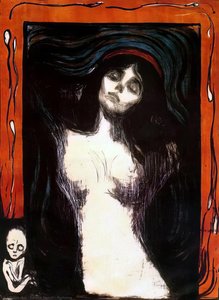
Chemistry
Reprodukcijos matmenys
Edvard Munch’s “Chemistry,” painted in 1909, transcends mere visual representation; it embodies the profound psychological anxieties that characterized Expressionism—a movement Munch spearheaded—and continues to resonate powerfully with audiences today. This monochrome masterpiece depicts two figures standing before a table laden with bottles and glassware, bathed in an unsettlingly diffused light.
The historical context surrounding “Chemistry” is crucial to understanding its significance. Munch was grappling with personal crises during this period—his brother Andreas suffered from schizophrenia, and Munch himself experienced recurring nightmares and anxieties. These experiences fueled his artistic impulse to confront existential dread and explore the darker recesses of human consciousness. The painting reflects a broader preoccupation within European art circles with Freud’s psychoanalytic theories, which were beginning to challenge conventional understandings of the mind.
Symbolism:The bottles on the table serve as potent symbols—representing potential poisons or anxieties that threaten to consume the figures. The birds perched above the man's head and in the upper right corner symbolize hope amidst despair, albeit a fragile and elusive one. Munch’s masterful use of visual cues communicates complex emotions without resorting to explicit narrative.
Emotionally, “Chemistry” evokes feelings of profound melancholy and apprehension. It captures the sensation of being overwhelmed by internal turmoil—a feeling that Munch himself famously described as "the scream." The painting's enduring appeal lies in its ability to tap into universal anxieties about vulnerability, isolation, and the inescapable confrontation with mortality—themes that continue to fascinate viewers across generations.
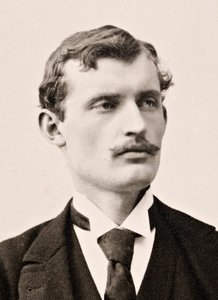
1863 - 1944 , Švedija

Atraskite 25 įspūdingiausius Edvard Munch šedevrus! Išsami informacija apie aliejaus tapybą, ekspresionizmą ir jo paveikslų istoriją. Meno reprodukcijos interjerui – Most-Famous-Paintings.com

Explore the profound world of Edvard Munch, pioneer of Expressionism. Discover the origins of 'The Scream' & his haunting depictions of anxiety, mortality, and love. Expert analysis & high-quality reproductions at Most-Famous-Paintings.
Atraskite ekspresionizmo šedevrus! 10 įtakingiausių meno kūrinių, atskleisiančių Muncho, Kirchnerio ir kitų meistrų emocijas. Išmokite apie tapybos stilius bei spalvų paletę. Aukščiausios kokybės dailės reprodukcijos jūsų namams – Most-Famous-Paintings.com.

Explore the powerful world of Ernst Ludwig Kirchner and German Expressionism. Discover his iconic paintings, Die Brücke group, and the movement's exploration of urban anxiety & modern identity. Expert analysis for collectors & enthusiasts.

Delve into the power of 'Ivory Black' with 10 iconic paintings by masters like Rembrandt & Caravaggio. Explore dramatic chiaroscuro, gothic moods & timeless art history. Find museum-quality reproductions and elevate your home decor at


Sekite naujausias meno naujienas, išskirtinius pasiūlymus ir dekoravimo idėjas.
Pasakokite mums apie savo projektą, o mūsų meno ekspertai parengs jums 3 asmeniškus meno pasiūlymus.
Leiskite mums parinkti 3 variantus būtent jums – nemokamai!


 Dalintis


 Skaityti daugiau







 Stiklo variantas prieinamas tik pasirinkus dydį iki 110 cm