x

 Pirkti atspaudą Pirkti skaitmeninį paveikslą
 Pasidalinti
 Išsamiau
 Pridėti į mėgstamiausius
 Atsisiųsti
 Panašūs eksponatai
 Rentgeno nuotrauka
 Automatinė diorama
Rankiniu būdu tapytas aliejus ant droblio jūsų pageidaujamame dydį ir rėmuose – mūsų menininkų darbas pagal užsakymą.
Pasirinkite iš mūsų nustatytų dydžių, atitinkančių originalaus meno kūrinio proporcijas.

Galite įvesti savo matmenis, kad jie atitiktų konkretų rėmą ar erdvę. Jei pasirinktas dydis neatitinka originalaus paveikslėlio proporcijų, mes arba apkropsime meno kūrinį, arba papildysime tapybą rankomis dažytい elementais. Prieš pradėdami gamybą, jūsų patvirtinimui atsiųsime skaitmeninį maketą.
Atkreipkite dėmesį, kad ekrane rodomas vaizdas neatspindi tikrojo apkarpymo ar papildymo. Tik maketas tiksliai parodys galutinę kompoziciją.
Nors galima rinktis ir individualius dydžius, rekomenduojame pasirinkti matmenis iš nustatytos sąrašo, kad būtų išlaikytos originalios proporcijos.
Pristatymas visame pasaulyje () per 3–4 savaites, o ne įprastai – per 5 savaites. (22 liepa). Kokybė lieka nepakeičiama.


Comfort
Reprodukcijos matmenys
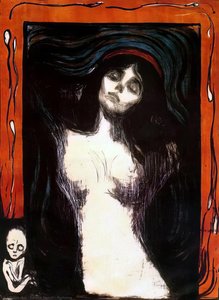
Edvard Munch’s *Comfort* stands as a poignant emblem of Symbolism, capturing the profound depths of human emotion with remarkable precision. Painted in 1907 during Munch's formative years as an Expressionist artist, this oil on canvas masterpiece transcends mere representation; it delves into the realm of psychological introspection and communicates a palpable sense of intimacy—a characteristic found also in his celebrated works like *The Scream* and *The Sick Child*. Munch’s distinctive style, honed through relentless experimentation with color and brushstroke, continues to resonate powerfully with audiences globally.
Munch’s Symbolist vision eschews conventional realism in favor of conveying universal truths through symbolic imagery. The woman’s gaze directs towards the man, symbolizing a yearning for reassurance and connection—a visual representation of vulnerability and shared sorrow. The muted color scheme isn't merely decorative; it underscores the subdued emotional landscape depicted, mirroring the internal struggles experienced by both figures.
Consider Munch’s broader artistic influences: Expressionism championed subjective experience as paramount, prioritizing emotion over objective observation. Artists like Ernst Ludwig Kirchner and Emil Nolde similarly explored psychological states through distorted forms and jarring color combinations—a stylistic lineage that cemented Munch's legacy as a pioneer of emotional art.
*Comfort*’s enduring appeal stems from its ability to tap into fundamental human emotions – compassion, empathy, and the desire for connection. It resides within the Thielska Galleriet in Sweden, showcasing Munch's artistic evolution and cementing his place as one of Norway’s most influential artists. His exploration of psychological themes continues to inspire contemporary creatives, demonstrating the timeless relevance of Symbolism’s expressive power.
For exquisite handmade oil painting reproductions of Edvard Munch’s *Comfort*, please visit Most-Famous-Paintings.com.

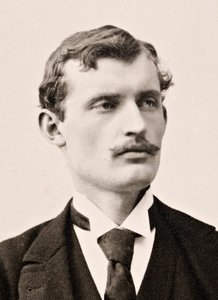
1863 - 1944 , Švedija

Explore the rich history of still life painting & the symbolism of fruit across art movements. Discover masterpieces from Caravaggio to Cézanne with Most-Famous-Paintings – expert guidance & museum-quality reproductions.

Explore the captivating world of Symbolism! Discover key artists, psychological themes & its lasting impact on modern art. Expert insights for collectors and enthusiasts at Most-Famous-Paintings.

Explore the artistic responses to the turning of the 19th century – Symbolism & Post-Impressionism. Discover Munch, Toulouse-Lautrec, and more with Most-Famous-Paintings's expert insights.

Delve into the enchanting world of Symbolism with 10 iconic paintings by Klimt, Munch & Moreau. Explore hidden meanings, dreamlike imagery & rich color palettes. Find museum-quality art reproductions at Most-Famous-Paintings.com and transform your home gallery. Discover all masterpieces on Most-Famous-Paintings.com
Atraskite 25 įspūdingiausius Egon Schiele šedevrus! Gilinkitės į ekspresionizmo pasaulį, portretų istorijas ir unikalią menininko spalvų paletę. Aukštos kokybės reprodukcijos interjerui – Most-Famous-Paintings.lt


Sekite naujausias meno naujienas, išskirtinius pasiūlymus ir dekoravimo idėjas.
Pasakokite mums apie savo projektą, o mūsų meno ekspertai parengs jums 3 asmeniškus meno pasiūlymus.
Leiskite mums parinkti 3 variantus būtent jums – nemokamai!


 Dalintis


 Skaityti daugiau




































 Stiklo variantas prieinamas tik pasirinkus dydį iki 110 cm