x
Muziejų lygio „giclée“ arba drobos spausdinimas: greita gamyba ir lankstios apdailos parinktys. ( Pirkti rankomis tapytą paveikslą Pirkti vaizdą)





























Pasirinkite iš mūsų nustatytų dydžių, atitinkančių originalaus meno kūrinio proporcijas.

Galite nurodyti savo matmenis, kad vaizdas atitiktų konkretų rėmą ar erdvę. Jei pasirinktas dydis nesutaps su originalaus paveikslėlio proporcijomis, mes arba apkirpsime kūrinį, arba išplėsime vaizdą naudojant veideliu atspindėtą arba vientisą šoną. Skaitmeninis maketas bus išsiųstas jums patvirtinti prieš pradedant gamybą.
Atkreipkite dėmesį, kad ekrane matomas vaizdinys neatspindi tikrojo apkirpimo ar išplėtimo. Tik maketas tiksliai parodytų galutinę kompoziciją.
Nors galima rinktis ir individualius dydžius, rekomenduojame pasirinkti vieną iš išanksti nustatytų matmenų, kad būtų išlaikytos originalios proporcijos.
Pristatymas visame pasaulyje () per 2 weeks, o ne įprastas 4/5 savaičių laikotarpis. (18 rugpjūtis)


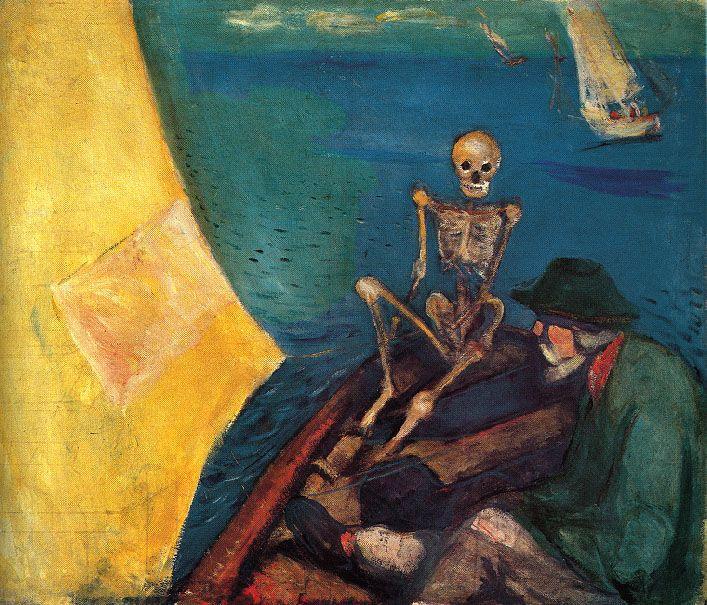
Death at the helm
Reprodukcijos matmenys
Edvard Munch’s Death at the Helm stands as a haunting testament to existential anxieties and the inescapable grip of mortality—themes central to Munch’s artistic vision and profoundly influential on Expressionism.
Painted in 1893 during Munch's formative years, this artwork transcends mere depiction; it embodies a visceral reaction to the encroaching darkness of fate. The scene unfolds against a turbulent seascape dominated by bruised purples and yellows—a sunset mirroring the inner turmoil simmering beneath Munch’s surface.
At its core lies a shipwrecked vessel, gripped by monstrous waves, with a lone helmsman clinging desperately to the wheel. This figure isn't merely battling the elements; he represents humanity wrestling against forces beyond comprehension – a struggle mirrored in Munch’s own battles with illness and psychological distress.
Munch’s masterful use of color—particularly the jarring juxtaposition of crimson and ochre—amplifies the painting’s emotional intensity. Bold brushstrokes convey movement and energy, mirroring the chaotic nature of existence itself. The loose technique eschews meticulous detail in favor of capturing the raw emotion of the moment.
Symbolically, Death at the Helm speaks to a broader philosophical inquiry into the human condition. The helmsman’s posture—rigid yet vulnerable—suggests an awareness of impending doom while simultaneously striving for control – a poignant reflection of our inherent desire to shape destiny.
The painting's legacy extends far beyond its aesthetic qualities. It resides in its ability to evoke profound contemplation about life, death, and the confrontation with uncertainty. Munch’s exploration of psychological landscapes continues to resonate powerfully with artists and audiences alike.
It finds a prominent place within the Museum Ateneum in Helsinki, Finland—a testament to its enduring artistic merit. For those seeking to immerse themselves in Munch's oeuvre and appreciate his groundbreaking contribution to modern art, visit https://Most-Famous-Paintings.com/@/Edvard-Munch.
To acquire a breathtaking oil painting reproduction of Death at the Helm, explore Most-Famous-Paintings: /en/art/show/art-8xx8vf-en/.
Munch’s artistic genius lay in his ability to distill complex emotions into visual form—a skill exemplified by Death at the Helm. Through meticulous observation and fearless experimentation, Munch captured not merely what he saw but what he felt—a pioneering approach that cemented his position as one of the most important artists of the late nineteenth century.

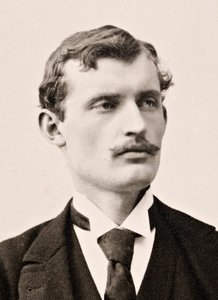
1863 - 1944 , Švedija

Explore the profound history of Expressionism. From Edvard Munch to Jackson Pollock, discover how artists used distortion and color to convey raw emotion. A definitive guide for art lovers seeking deep historical context and mastery in fine art reproductions.

Explore the profound emotional depth of Expressionist portraiture. From Edvard Munch to Francis Bacon, discover how masters used distortion and color to reveal inner truths. Learn about this pivotal movement and find museum-quality oil reproductions for your collection.


Sekite naujausias meno naujienas, išskirtinius pasiūlymus ir dekoravimo idėjas.
Pasakokite mums apie savo projektą, o mūsų meno ekspertai parengs jums 3 asmeniškus meno pasiūlymus.
Leiskite mums parinkti 3 variantus būtent jums – nemokamai!


 Peržiūrėti realybėje
 Pasidalinti
 Dalintis
 Išsamiau

 Atsisiųsti
 Panašūs eksponatai
 Rentgeno nuotrauka
 Automatinė diorama

 Skaityti daugiau







 Stiklo variantas prieinamas tik pasirinkus dydį iki 110 cm