


x

Įsigykite aukštos skiriamosios raiškos, patobulintą skaitmeninį vaizdą, gerokai pranašesnį už internetinę peržiūrą.
Kiekvieną failą mūsų specialistai kruopščiai paruošia naudojant pažangias technologijas ir profesionalų rankinį retušavimą. Užtikriname, kad kiekvienas vaizdas pasižymėtų išskirtiniu aiškumu, tikslia spalvų atspalviu ir smulkiomis detalėmis.
Baigiamas failas el. paštu pristatomas per 72 valandas; jis optimizuotas nedelsiant naudojimui profesionalioje, redakcinėje ir spausdinimo aplinkoje. Tai ta pati kokybė, kuria pasitiki aukščiausios klasės dizaino studijos, leidyklos ir galerijos.
Atsisiųskite didelės raiškos failą asmeniniam naudojimui, spausdinimui ir kūrybiniams projektams. ( Perejti prie spausdinimo Perejti prie rankinio darbo paveikslėlio)
Pasirinkę Most-Famous-Paintings.com, jūs ne tik gaunate paveikslėlį – jūs gaunate profesionaliai patobudintą skaitmeninį kūrinį, sukurtą itin tikniai ir užtikrinantį pasitenkinimą. Štai viską, kas automatiškai pritékia jūsų užsakymui:

Jūsų aukštos raiškos skaitmeninis vaizdo failas bus išsiųstas jums el. paštu per 72 valaudas nuo užsakymo – paruoštas naudojimui be jokių papildomų veiksmų.

Jūsų meno kūrinys profesionaliai optimizuojamas naudojant pažangius dirbtinio intelekto įrankius ir rankinį redagavimą, užtikrinant maksimalią detalę, aiškumą ir spalvų tikslumą.

Atsitiktinai ištrytikote ar praradote savo failą? Nebijokite – bet kuriuo metu atsiųsime jį jums vėl nemokamai.

Mėgaukitės savo meno kūriniu akimirka – skaitiniai failai visada yra neapmokestinami, todėl nereikės mokėti muitinės, mokesčių ar pristatymo mokesčių.

Naudodami profesionalią įrangą ir spalvų valdymo sistemas, užtikriname, kad jūsų skaitmeninis vaizdas kuo tiksliau atspindėtų originalias spalvas.

Jei nebuvate patenkinti savo skaitinio vaizdo, per 60 dienų jį pertaisysime arba grąkinsime 100% sumą – be jokių klausimų.

Nepat 만족inti? Gaukite visą sumokėtą sumą per 60 dienų nuo skaitmeninio failo gavimo – be jokių papildomų klausimų.

Pirkti 3 nuotraukas – pasiūla 10% - Pirkti 5 – pasiūla 15% - Pirkti 10 ir daugiau – pasiūla 20%. Puikiai tinka kūrybiniams projektams, galerijoms bei agentūroms.
Edvard Munch's "Despair" is a profoundly moving oil on canvas painting created in 1892, serving as a quintessential representation of the artist’s unique style blending Expressionism and Symbolism. This artwork isn't merely a depiction; it's an exploration of human suffering, isolation, and the weight of existence.
The scene portrays a solitary man seated at a piano in a dimly lit room, his head bowed in what appears to be deep contemplation or despair. Two figures are faintly visible in the background – one standing to the left and another further back on the right – observing the central figure with an air of detachment. The color palette is dominated by dark, muted tones that amplify the somber atmosphere. Thick, expressive brushstrokes contribute to a sense of unease and movement, while the simplified landscape below recedes into the distance, emphasizing the man's isolation.
Munch masterfully employs Expressionist techniques to convey intense emotions. The bold use of color and distorted forms are not meant to represent reality accurately but rather to express an inner emotional state. The dark hues evoke a sense of melancholy and hopelessness, while the slumped posture of the central figure symbolizes resignation or despair. Symbolism is also prevalent; the piano itself can be interpreted as representing creativity and emotional expression, yet in this context, it seems unable to alleviate the man's suffering. The figures in the background represent the indifference of society towards individual struggles.
“Despair” was created during a period of significant personal turmoil for Munch. His childhood was marked by loss and illness, including the deaths of his mother and sister from tuberculosis – events that profoundly impacted his artistic vision. This painting reflects the anxieties and psychological struggles prevalent in late 19th-century Europe, a time of rapid industrialization and social change that often led to feelings of alienation and despair. Munch's own battles with mental health further fueled the emotional intensity of his work.
“Despair” resonates deeply with viewers due to its raw portrayal of human suffering and isolation. It’s a powerful reminder of the fragility of the human condition and the universality of feelings like loneliness and despair. Munch's influence on modern art is undeniable, paving the way for future generations of artists who sought to express their inner worlds through bold and expressive styles. The painting continues to captivate audiences worldwide, offering a glimpse into the complexities of the human experience that transcends time and culture.

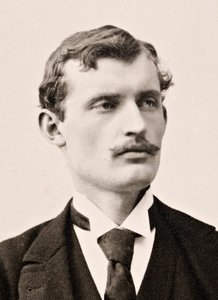
1863 - 1944 , Švedija


Sekite naujausias meno naujienas, išskirtinius pasiūlymus ir dekoravimo idėjas.
Pasakokite mums apie savo projektą, o mūsų meno ekspertai parengs jums 3 asmeniškus meno pasiūlymus.
Leiskite mums parinkti 3 variantus būtent jums – nemokamai!


 Peržiūrėti realybėje
 Pasidalinti
 Dalintis
 Išsamiau

 Atsisiųsti
 Panašūs eksponatai
 Rentgeno nuotrauka
 Automatinė diorama

 Skaityti daugiau


