x


 Preview
 Pirkti atspaudą Pirkti skaitmeninį paveikslą
 Pasidalinti
 Išsamiau
 Pridėti į mėgstamiausius
 Atsisiųsti
 Panašūs eksponatai
 Rentgeno nuotrauka
 Automatinė diorama
Rankiniu būdu tapytas aliejus ant droblio jūsų pageidaujamame dydį ir rėmuose – mūsų menininkų darbas pagal užsakymą.





























Pasirinkite iš mūsų nustatytų dydžių, atitinkančių originalaus meno kūrinio proporcijas.

Galite įvesti savo matmenis, kad jie atitiktų konkretų rėmą ar erdvę. Jei pasirinktas dydis neatitinka originalaus paveikslėlio proporcijų, mes arba apkropsime meno kūrinį, arba papildysime tapybą rankomis dažytい elementais. Prieš pradėdami gamybą, jūsų patvirtinimui atsiųsime skaitmeninį maketą.
Atkreipkite dėmesį, kad ekrane rodomas vaizdas neatspindi tikrojo apkarpymo ar papildymo. Tik maketas tiksliai parodys galutinę kompoziciją.
Nors galima rinktis ir individualius dydžius, rekomenduojame pasirinkti matmenis iš nustatytos sąrašo, kad būtų išlaikytos originalios proporcijos.
Pristatymas visame pasaulyje () per 3–4 savaites, o ne įprastai – per 5 savaites. (27 liepa). Kokybė lieka nepakeičiama.


Eberhard Grisebach
Reprodukcijos matmenys
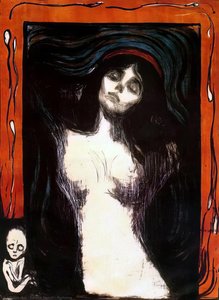
Edvard Munch's "Eberhard Grisebach," painted in 1893, isn’t merely a depiction of a man; it’s an embodiment of existential dread—a visual distillation of the anxieties that gripped Europe at the cusp of the 20th century. This striking portrait transcends simple representation, delving into the psychological depths of its subject and reflecting Munch's own turbulent inner life.
Historical Context: Painted during Munch’s formative years as an artist, “Eberhard Grisebach” sits squarely within the broader context of Symbolist and Expressionist movements. These artistic currents reacted against Impressionism’s focus on objective observation, prioritizing instead subjective experience and emotional intensity. The painting reflects the pervasive disillusionment following Nietzsche's proclamation that God is dead—a philosophical tremor that shook Europe and fueled a profound questioning of traditional values.
Symbolism & Emotional Impact: Munch meticulously employs symbolism to communicate his psychological concerns. The red suit, often associated with passion and authority, paradoxically underscores the figure’s vulnerability. The downward gaze symbolizes introspection and perhaps despair—a refusal to confront the horrors of existence. Most powerfully, however, is the unsettling backdrop. Two figures loom in the periphery, representing external pressures and anxieties that threaten to engulf the central subject. Their presence amplifies the feeling of isolation and reinforces Munch's preoccupation with mortality.

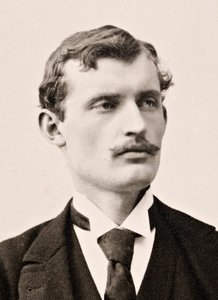
1863 - 1944 , Švedija

Most-Famous-Paintings – rankų darbo aliejinės tapybos reprodukcijų meistrai! Individualūs užsakymai, aukščiausia kokybė ir patikimas šeimos palikimo kūrimas. Paverskite brangias akimirkas į amžiną grožį!

Explore the profound emotional depth & formal innovations of abstract painting. Discover key artists like Rothko & Kandinsky, understand art collecting insights, and elevate your space with timeless masterpieces. Expert analysis for discerning collectors.

Transform your cherished photos into timeless oil paintings with Most-Famous-Paintings's expert artists. Museum-quality reproductions & custom portraits, crafted to last a lifetime. Discover the art of personal legacy.

Explore the raw emotion of Expressionism with Most-Famous-Paintings. Discover its history, key artists like Kirchner & Munch, and lasting influence on modern art. Expert insights for collectors & enthusiasts.

Explore the world of acrylic painting! Discover its rich history, essential techniques, contemporary applications & renowned artists. Expert guide for beginners to professionals.


Sekite naujausias meno naujienas, išskirtinius pasiūlymus ir dekoravimo idėjas.
Pasakokite mums apie savo projektą, o mūsų meno ekspertai parengs jums 3 asmeniškus meno pasiūlymus.
Leiskite mums parinkti 3 variantus būtent jums – nemokamai!


 Dalintis


 Skaityti daugiau







 Stiklo variantas prieinamas tik pasirinkus dydį iki 110 cm