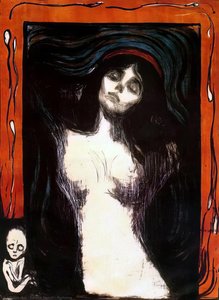
x


 Preview
 Užsisakyti kopiją Pirkti skaitmeninį paveikslą
 Pasidalinti
 Išsamiau
 Pridėti į mėgstamiausius
 Atsisiųsti
 Panašūs eksponatai
 Rentgeno nuotrauka
 Automatinė diorama
Muziejų lygio „giclée“ arba drobos spausdinimas: greita gamyba ir lankstios apdailos parinktys.





























Pasirinkite iš mūsų nustatytų dydžių, atitinkančių originalaus meno kūrinio proporcijas.

Galite nurodyti savo matmenis, kad vaizdas atitiktų konkretų rėmą ar erdvę. Jei pasirinktas dydis nesutaps su originalaus paveikslėlio proporcijomis, mes arba apkirpsime kūrinį, arba išplėsime vaizdą naudojant veideliu atspindėtą arba vientisą šoną. Skaitmeninis maketas bus išsiųstas jums patvirtinti prieš pradedant gamybą.
Atkreipkite dėmesį, kad ekrane matomas vaizdinys neatspindi tikrojo apkirpimo ar išplėtimo. Tik maketas tiksliai parodytų galutinę kompoziciją.
Nors galima rinktis ir individualius dydžius, rekomenduojame pasirinkti vieną iš išanksti nustatytų matmenų, kad būtų išlaikytos originalios proporcijos.
Pristatymas visame pasaulyje () per 2 weeks, o ne įprastas 4/5 savaičių laikotarpis. (28 liepa)


Elsa Glaser
Reprodukcijos matmenys
Edvard Munch’s “Elsa Glaser,” painted in 1913, transcends mere representation; it embodies the anxieties of its time—the burgeoning Expressionist movement grappling with psychological complexities—and offers a glimpse into Munch's deeply personal vision. This portrait depicts Elsa Glaser, a woman seated calmly on a chair, accompanied by two dogs gazing intently at her. The composition itself is deceptively simple, yet laden with unspoken emotion.
Munch’s approach to “Elsa Glaser” blends elements of Impressionism—particularly in the subtle gradations of color—with the hallmarks of Expressionism. Unlike traditional portraiture focused on idealized beauty, Munch prioritizes conveying inner turmoil. The muted palette – predominantly browns and greens – contributes to a sense of subdued sadness and isolation. Thick brushstrokes are employed, creating textured surfaces that capture not just visual detail but also palpable feeling. This technique is characteristic of Munch’s broader oeuvre, where he sought to translate subjective experience into tangible form.
Painted during a period marked by significant social upheaval and intellectual ferment—the early 20th century— “Elsa Glaser” reflects the pervasive influence of tuberculosis within Munch’s life and artistic consciousness. His sister Astrid succumbed to the disease in 1895, leaving an indelible mark on his psyche. This trauma fueled his preoccupation with mortality and illness, themes recurrent throughout his work. The presence of the dogs—often interpreted as symbols of loyalty and companionship—adds a layer of complexity to the scene, perhaps representing solace amidst despair or highlighting the fragility of human connection.
Beyond its formal qualities, “Elsa Glaser” operates on a symbolic level. The woman’s gaze directs our attention inward, inviting contemplation about her thoughts and emotions. Munch skillfully utilizes color to convey mood—the dominant browns suggesting quiet sorrow—and the positioning of the dogs reinforces the idea that she is surrounded by both comfort and unease. The chair itself can be seen as representing stability amidst emotional turbulence, a visual anchor against which the woman’s inner state unfolds.
"Elsa Glaser" isn't merely a depiction of a person; it's an exploration of vulnerability and psychological depth. Munch achieves this profound effect through his masterful manipulation of color, texture, and composition. The painting compels viewers to confront uncomfortable truths about human experience—the inevitability of suffering, the burden of memory, and the yearning for connection. It stands as a testament to Munch’s ability to transform personal trauma into universal artistic expression.

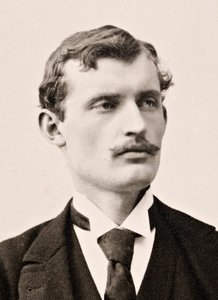
1863 - 1944 , Švedija

Užsakykite unikalų šeimos portretą iš Most-Famous-Paintings! Rankų darbo aliejiniai portretai, individualizuotas dizainas ir aukščiausia meninė kokybė. Sukurkite amžiną palikimą savo artimiesiems – patikima meistrų komanda ir garantuota kokybė.

Explore the raw emotion of Expressionism with Most-Famous-Paintings. Discover its history, key artists like Kirchner & Munch, and lasting influence on modern art. Expert insights for collectors & enthusiasts.
Explore 10 legendary 'Oil on Board' masterpieces by Van Gogh, Monet & more! Discover art history, iconic styles like Impressionism, and find museum-quality reproductions to elevate your home decor. Explore the full collection online at Most-Famous-Paintings.com.

Explore the groundbreaking work of Paula Modersohn-Becker, a pioneer of Expressionism. Discover her intimate self-portraits & poignant depictions of motherhood – shaping early 20th-century art with emotional depth and innovation.

Explore 10 legendary 'Acrylic On Canvas' masterpieces by artists like Rothko, Warhol & Frankenthaler. Discover the stories behind these iconic paintings and their impact on modern art. Find museum-quality reproductions at – elevate your home with timeless beauty.


Sekite naujausias meno naujienas, išskirtinius pasiūlymus ir dekoravimo idėjas.
Pasakokite mums apie savo projektą, o mūsų meno ekspertai parengs jums 3 asmeniškus meno pasiūlymus.
Leiskite mums parinkti 3 variantus būtent jums – nemokamai!


 Dalintis


 Skaityti daugiau







 Stiklo variantas prieinamas tik pasirinkus dydį iki 110 cm