


x

 Oil On CanvasWallArtExpressionism
 1894Modern
 136.0 x 110.0 cm
Įsigykite aukštos skiriamosios raiškos, patobulintą skaitmeninį vaizdą, gerokai pranašesnį už internetinę peržiūrą.
Kiekvieną failą mūsų specialistai kruopščiai paruošia naudojant pažangias technologijas ir profesionalų rankinį retušavimą. Užtikriname, kad kiekvienas vaizdas pasižymėtų išskirtiniu aiškumu, tikslia spalvų atspalviu ir smulkiomis detalėmis.
Baigiamas failas el. paštu pristatomas per 72 valandas; jis optimizuotas nedelsiant naudojimui profesionalioje, redakcinėje ir spausdinimo aplinkoje. Tai ta pati kokybė, kuria pasitiki aukščiausios klasės dizaino studijos, leidyklos ir galerijos.
Atsisiųskite didelės raiškos failą asmeniniam naudojimui, spausdinimui ir kūrybiniams projektams. ( Pirkti spaudinį Pirkti rankomis tapytą paveikslą)
Pasirinkę Most-Famous-Paintings.com, jūs ne tik gaunate paveikslėlį – jūs gaunate profesionaliai patobudintą skaitmeninį kūrinį, sukurtą itin tikniai ir užtikrinantį pasitenkinimą. Štai viską, kas automatiškai pritékia jūsų užsakymui:

Jūsų aukštos raiškos skaitmeninis vaizdo failas bus išsiųstas jums el. paštu per 72 valaudas nuo užsakymo – paruoštas naudojimui be jokių papildomų veiksmų.

Jūsų meno kūrinys profesionaliai optimizuojamas naudojant pažangius dirbtinio intelekto įrankius ir rankinį redagavimą, užtikrinant maksimalią detalę, aiškumą ir spalvų tikslumą.

Atsitiktinai ištrytikote ar praradote savo failą? Nebijokite – bet kuriuo metu atsiųsime jį jums vėl nemokamai.

Mėgaukitės savo meno kūriniu akimirka – skaitiniai failai visada yra neapmokestinami, todėl nereikės mokėti muitinės, mokesčių ar pristatymo mokesčių.

Naudodami profesionalią įrangą ir spalvų valdymo sistemas, užtikriname, kad jūsų skaitmeninis vaizdas kuo tiksliau atspindėtų originalias spalvas.

Jei nebuvate patenkinti savo skaitinio vaizdo, per 60 dienų jį pertaisysime arba grąkinsime 100% sumą – be jokių klausimų.

Nepat 만족inti? Gaukite visą sumokėtą sumą per 60 dienų nuo skaitmeninio failo gavimo – be jokių papildomų klausimų.

Pirkti 3 nuotraukas – pasiūla 10% - Pirkti 5 – pasiūla 15% - Pirkti 10 ir daugiau – pasiūla 20%. Puikiai tinka kūrybiniams projektams, galerijoms bei agentūroms.
Edvard Munch’s *Eye in Eye*, painted in 1894, isn’t merely a depiction of two figures; it’s a visceral plunge into the depths of human emotion. This arresting canvas, measuring just over a foot square, immediately commands attention with its bold colors and unsettling intimacy. It's a cornerstone of the Expressionist movement, a period defined by artists seeking to convey subjective experience rather than objective reality – a pursuit that Munch embodies with unparalleled intensity. The scene unfolds beneath a gnarled tree, framing two individuals locked in a silent, charged exchange: a man and a woman, their eyes meeting across a space both intimate and fraught with unspoken tension. The composition isn’t about narrative; it's about the raw feeling of connection – or perhaps, disconnection – that permeates human interaction. The muted palette—earthy browns, deep blues, and flashes of crimson—contributes to an atmosphere of melancholy and unease, mirroring the psychological landscape Munch so masterfully explored.
Munch’s technique is deliberately rough-hewn, reflecting the turbulent emotions he sought to capture. Thick, visible brushstrokes dominate the canvas, creating a sense of immediacy and urgency. The forms are distorted, subtly unsettling the viewer's perception of reality. Notice how the figures aren’t rendered with photographic precision; instead, they possess an almost sculptural quality, emphasizing their physicality and vulnerability. The background—a simple house receding into shadow—provides context without distracting from the central drama unfolding between the two subjects. The inclusion of two clocks – one on the left, another towards the center – adds a layer of complexity, hinting at the relentless passage of time and perhaps the urgency driving their encounter. A solitary bird soaring above the tree introduces an element of dynamism, a fleeting moment of freedom against the backdrop of contained emotion.
The symbolism within *Eye in Eye* is layered and open to interpretation, reflecting Munch’s own preoccupation with themes of anxiety, love, and death. The eye-to-eye contact itself is profoundly significant. It's not a simple act of recognition; it’s an intense, almost confrontational gaze that suggests vulnerability, judgment, or perhaps even a shared understanding of something unspoken. The absence of mouths adds to the painting’s enigmatic quality, forcing the viewer to project their own emotions and interpretations onto the scene. The trees, frequently associated with life, death, and connection to nature in art history, here seem to act as a barrier, subtly separating the figures from the outside world and intensifying their internal dialogue.
The clocks are particularly potent symbols. They represent not just time but also mortality and the pressure of societal expectations. Their presence underscores the sense that this encounter is fleeting, imbued with a certain urgency. The bird, a traditional symbol of freedom and hope, offers a brief respite from the prevailing mood of melancholy, suggesting a yearning for escape or transcendence. The house in the background—a simple, unassuming structure—represents domesticity and perhaps the constraints within which these two individuals find themselves. It’s a space of potential connection but also of unspoken tensions.
To fully appreciate *Eye in Eye*, it's crucial to understand the context in which it was created – the late 19th century, a period marked by rapid social and technological change, alongside growing anxieties about modernity. Munch, along with Vincent van Gogh and Egon Schiele, was at the forefront of the Expressionist movement, rejecting the conventions of academic art in favor of subjective emotional expression. His work often explored themes of psychological distress, alienation, and the darker aspects of human experience – subjects that resonated deeply with a generation grappling with uncertainty and disillusionment. Munch’s personal life—marked by tragedy, illness, and mental instability—fueled his artistic vision, imbuing his paintings with an undeniable sense of raw emotion. His exploration of these themes continues to resonate powerfully today.
Considered alongside other works like *Despair* and *Anxiety*, *Eye in Eye* exemplifies Munch’s ability to distill complex emotions into a single, arresting image. It's a testament to his skill as an artist and his profound understanding of the human psyche. For those seeking a deeper appreciation of Expressionism or simply captivated by Munch’s haunting vision, reproductions of *Eye in Eye* offer a powerful way to connect with this seminal work of art.

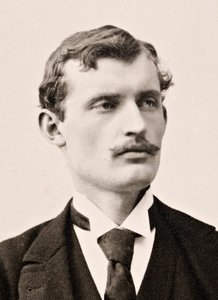
1863 - 1944 , Švedija


Sekite naujausias meno naujienas, išskirtinius pasiūlymus ir dekoravimo idėjas.
Pasakokite mums apie savo projektą, o mūsų meno ekspertai parengs jums 3 asmeniškus meno pasiūlymus.
Leiskite mums parinkti 3 variantus būtent jums – nemokamai!


 Peržiūrėti realybėje
 Pasidalinti
 Dalintis
 Išsamiau

 Atsisiųsti
 Panašūs eksponatai
 Rentgeno nuotrauka
 Automatinė diorama
 Skaityti daugiau


