x

 Aliejus ant drobėsSieninis menasExpressionism
 1902Modernas
 128.0 x 152.0 cm
Muziejų lygio „giclée“ arba drobos spausdinimas: greita gamyba ir lankstios apdailos parinktys. ( Pirkti rankomis tapytą paveikslą Pirkti vaizdą)





























Pasirinkite iš mūsų nustatytų dydžių, atitinkančių originalaus meno kūrinio proporcijas.

Galite nurodyti savo matmenis, kad vaizdas atitiktų konkretų rėmą ar erdvę. Jei pasirinktas dydis nesutaps su originalaus paveikslėlio proporcijomis, mes arba apkirpsime kūrinį, arba išplėsime vaizdą naudojant veideliu atspindėtą arba vientisą šoną. Skaitmeninis maketas bus išsiųstas jums patvirtinti prieš pradedant gamybą.
Atkreipkite dėmesį, kad ekrane matomas vaizdinys neatspindi tikrojo apkirpimo ar išplėtimo. Tik maketas tiksliai parodytų galutinę kompoziciją.
Nors galima rinktis ir individualius dydžius, rekomenduojame pasirinkti vieną iš išanksti nustatytų matmenų, kad būtų išlaikytos originalios proporcijos.
Pristatymas visame pasaulyje () per 2 weeks, o ne įprastas 4/5 savaičių laikotarpis. (19 rugpjūtis)


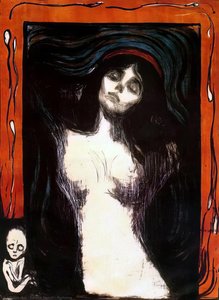
Fertility II
Reprodukcijos matmenys
Edvard Munch’s “Fertility II,” completed in 1902, stands as a cornerstone of Norwegian Expressionism—a movement that sought to convey raw emotion rather than objective representation. Housed at the Von Der Heydt Museum in Wuppertal, Germany, this oil on canvas painting transcends mere visual beauty; it delves into profound psychological themes and invites contemplation about the human condition.
The painting depicts a simple yet arresting scene: two figures—presumably male and female—seated beneath the dappled shade of a tree. Munch’s masterful use of perspective draws the viewer into this intimate tableau, fostering a sense of immediacy and vulnerability. The woman holds a basket in her left hand – a potent symbol of nourishment and potential abundance – while the man stands beside her, engaged in conversation. However, lurking beneath the surface serenity is an unsettling presence.
Several elements contribute to the painting’s complex symbolism. Notably, a knife lies prominently on the ground near the center, juxtaposed with another positioned closer to the man's side. These instruments of harvesting – or perhaps even violence – subtly disrupt the idyllic setting, hinting at anxieties surrounding life and death. Alongside the knives are a bowl and basket placed on the ground, reinforcing the idea of fertility and sustenance but simultaneously underscoring the fragility of existence.
Munch’s distinctive Expressionist style is immediately recognizable through his bold color palette—primarily muted yellows and greens—and energetic brushstrokes. These techniques aren't merely decorative; they serve to convey emotion directly, mirroring the artist’s inner turmoil and capturing the essence of psychological experience. Influenced by movements like Fauvism and Cubism, Munch pushed boundaries in artistic representation, prioritizing feeling over factual accuracy.
Munch's artistic vision found inspiration in other artists’ works. Specifically, “Fertility II” echoes the spirit of Annibale Carracci’s painting on a similar theme—a testament to Munch’s ability to synthesize diverse influences and forge his own unique aesthetic voice. This artwork continues to resonate with audiences today, prompting reflection on themes of human connection, mortality, and the enduring power of artistic expression.

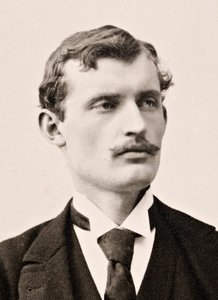
1863 - 1944 , Švedija

Atraskite 25 įspūdingiausius Edvard Munch šedevrus! Išsami informacija apie aliejaus tapybą, ekspresionizmą ir jo paveikslų istoriją. Meno reprodukcijos interjerui – Most-Famous-Paintings.com

Explore the profound world of Edvard Munch, pioneer of Expressionism. Discover the origins of 'The Scream' & his haunting depictions of anxiety, mortality, and love. Expert analysis & high-quality reproductions at Most-Famous-Paintings.
Atraskite ekspresionizmo šedevrus! 10 įtakingiausių meno kūrinių, atskleisiančių Muncho, Kirchnerio ir kitų meistrų emocijas. Išmokite apie tapybos stilius bei spalvų paletę. Aukščiausios kokybės dailės reprodukcijos jūsų namams – Most-Famous-Paintings.com.

Explore the raw emotion of Expressionism with Most-Famous-Paintings. Discover its history, key artists like Kirchner & Munch, and lasting influence on modern art. Expert insights for collectors & enthusiasts.
Explore 10 defining German Expressionism masterpieces – from Munch's 'The Scream' to Kandinsky’s abstracts. Discover the artists, stories & bold colors behind this powerful art movement. Find museum-quality reproductions at Most-Famous-Paintings.com.


Sekite naujausias meno naujienas, išskirtinius pasiūlymus ir dekoravimo idėjas.
Pasakokite mums apie savo projektą, o mūsų meno ekspertai parengs jums 3 asmeniškus meno pasiūlymus.
Leiskite mums parinkti 3 variantus būtent jums – nemokamai!


 Peržiūrėti realybėje
 Pasidalinti
 Dalintis
 Išsamiau

 Atsisiųsti
 Panašūs eksponatai
 Rentgeno nuotrauka
 Automatinė diorama
 Skaityti daugiau







 Stiklo variantas prieinamas tik pasirinkus dydį iki 110 cm