x

Muziejų lygio „giclée“ arba drobos spausdinimas: greita gamyba ir lankstios apdailos parinktys. ( Pirkti rankomis tapytą paveikslą Pirkti vaizdą)





























Pasirinkite iš mūsų nustatytų dydžių, atitinkančių originalaus meno kūrinio proporcijas.

Galite nurodyti savo matmenis, kad vaizdas atitiktų konkretų rėmą ar erdvę. Jei pasirinktas dydis nesutaps su originalaus paveikslėlio proporcijomis, mes arba apkirpsime kūrinį, arba išplėsime vaizdą naudojant veideliu atspindėtą arba vientisą šoną. Skaitmeninis maketas bus išsiųstas jums patvirtinti prieš pradedant gamybą.
Atkreipkite dėmesį, kad ekrane matomas vaizdinys neatspindi tikrojo apkirpimo ar išplėtimo. Tik maketas tiksliai parodytų galutinę kompoziciją.
Nors galima rinktis ir individualius dydžius, rekomenduojame pasirinkti vieną iš išanksti nustatytų matmenų, kad būtų išlaikytos originalios proporcijos.
Pristatymas visame pasaulyje () per 2 weeks, o ne įprastas 4/5 savaičių laikotarpis. (21 rugpjūtis)


Fredrik Stang
Reprodukcijos matmenys
Edvard Munch's “Fredrik Stang,” created in 1927-1928, stands as a testament to the artist’s masterful exploration of psychological depth within the confines of a seemingly simple portrait. This crayon drawing, housed at The Munch Museum in Oslo, transcends mere representation; it embodies Munch’s signature style—Expressionism—capturing not just an individual's likeness but also the profound emotional resonance inherent in his gaze and posture.
“Fredrik Stang” was produced during the turbulent years of Weimar Germany, a period marked by economic instability, political polarization, and burgeoning anxieties about societal change. Munch’s artistic output coincided with this era of intellectual ferment and existential questioning—themes that permeate his oeuvre. The painting reflects the broader cultural preoccupation with introspection and psychological awareness prevalent in Expressionist circles.
The inclusion of several books scattered throughout the scene is significant symbolically. They represent Stang’s intellectual pursuits and underscore Munch's fascination with ideas—particularly those concerning mortality and human consciousness. These books aren’t merely decorative elements; they serve as visual metaphors for contemplation, knowledge, and the pursuit of understanding—mirroring Stang’s gaze directed towards the distance.
"Fredrik Stang" succeeds in conveying a palpable sense of melancholy and quiet introspection. Munch captures a fleeting moment of stillness—a contemplative stare—that invites viewers to consider themes of solitude, contemplation, and perhaps even unspoken anxieties. The painting’s subdued color palette and careful rendering of form contribute to its emotional power, cementing its place as an enduring emblem of Expressionist artistry.

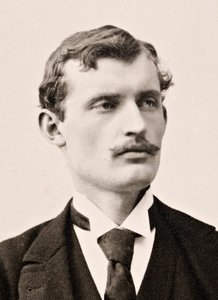
1863 - 1944 , Švedija
Explore the profound depth of Figurative Expressionism. From Edvard Munch to William H. Johnson, learn how masters use the human form to capture raw emotion through color and distortion in this expert art history guide.

Explore the profound history of Surrealist Expressionism. Discover how artists blended dream logic with raw emotion to navigate post-war trauma through masterful, evocative imagery and psychological depth.

Explore the profound history of Expressionism. From Edvard Munch to Jackson Pollock, discover how artists used distortion and color to convey raw emotion. A definitive guide for art lovers seeking deep historical context and mastery in fine art reproductions.


Sekite naujausias meno naujienas, išskirtinius pasiūlymus ir dekoravimo idėjas.
Pasakokite mums apie savo projektą, o mūsų meno ekspertai parengs jums 3 asmeniškus meno pasiūlymus.
Leiskite mums parinkti 3 variantus būtent jums – nemokamai!


 Peržiūrėti realybėje
 Pasidalinti
 Dalintis
 Išsamiau

 Atsisiųsti
 Panašūs eksponatai
 Rentgeno nuotrauka
 Automatinė diorama
 Skaityti daugiau







 Stiklo variantas prieinamas tik pasirinkus dydį iki 110 cm