x

Muziejų lygio „giclée“ arba drobos spausdinimas: greita gamyba ir lankstios apdailos parinktys. ( Pirkti rankomis tapytą paveikslą Pirkti vaizdą)





























Pasirinkite iš mūsų nustatytų dydžių, atitinkančių originalaus meno kūrinio proporcijas.

Galite nurodyti savo matmenis, kad vaizdas atitiktų konkretų rėmą ar erdvę. Jei pasirinktas dydis nesutaps su originalaus paveikslėlio proporcijomis, mes arba apkirpsime kūrinį, arba išplėsime vaizdą naudojant veideliu atspindėtą arba vientisą šoną. Skaitmeninis maketas bus išsiųstas jums patvirtinti prieš pradedant gamybą.
Atkreipkite dėmesį, kad ekrane matomas vaizdinys neatspindi tikrojo apkirpimo ar išplėtimo. Tik maketas tiksliai parodytų galutinę kompoziciją.
Nors galima rinktis ir individualius dydžius, rekomenduojame pasirinkti vieną iš išanksti nustatytų matmenų, kad būtų išlaikytos originalios proporcijos.
Pristatymas visame pasaulyje () per 2 weeks, o ne įprastas 4/5 savaičių laikotarpis. (15 rugpjūtis)


friedrich nietzsche
Reprodukcijos matmenys
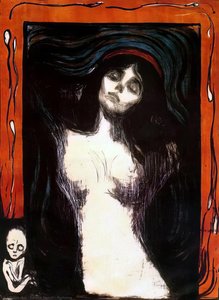
Munch’s masterful use of color is immediately striking. Bold shades of crimson dominate the background, mirroring the inner turmoil simmering beneath Nietzsche's surface—a visual representation of existential dread. Juxtaposed against this fiery expanse are muted blues and greens, symbolizing a fragile hope amidst despair. The artist skillfully employs distorted forms to heighten emotional impact; Nietzsche’s posture exudes stiffness and rigidity, reflecting the intellectual discipline demanded by philosophical inquiry but also hinting at an underlying vulnerability.
The bridge itself is laden with symbolic significance within Expressionist art—and Munch’s painting isn't dissimilar. It represents a precarious transition between certainty and doubt, mirroring Nietzsche’s philosophical quest for meaning in a world devoid of divine order. The mountainous landscape serves as a backdrop to this psychological drama, emphasizing the immensity of existence and the insignificance of human endeavors.
Munch’s artistic choices resonate deeply with Nietzsche’s ideas about overcoming nihilism—the belief that life is meaningless. The painting embodies a desire for confronting darkness, accepting suffering as inevitable, and striving toward self-affirmation despite the pervasive influence of despair. Munch’s depiction of Nietzsche reflects the Expressionist preoccupation with exploring the darker recesses of human consciousness.
Currently housed at the Thielska Galleriet in Stockholm, Sweden, Nietzsche's portrait remains a testament to Munch’s artistic genius and the enduring power of Expressionism. If you wish to experience this masterpiece firsthand or acquire a beautifully crafted reproduction, visit Most-Famous-Paintings.com to explore our extensive collection of handmade oil paintings—allowing you to bring Munch's evocative vision into your home.

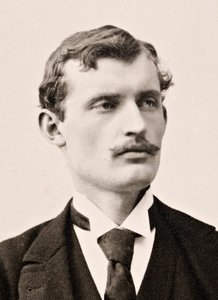
1863 - 1944 , Švedija

Explore the profound history of Expressionism. From Edvard Munch to Jackson Pollock, discover how artists used distortion and color to convey raw emotion. A definitive guide for art lovers seeking deep historical context and mastery in fine art reproductions.


Sekite naujausias meno naujienas, išskirtinius pasiūlymus ir dekoravimo idėjas.
Pasakokite mums apie savo projektą, o mūsų meno ekspertai parengs jums 3 asmeniškus meno pasiūlymus.
Leiskite mums parinkti 3 variantus būtent jums – nemokamai!


 Peržiūrėti realybėje
 Pasidalinti
 Dalintis
 Išsamiau

 Atsisiųsti
 Panašūs eksponatai
 Rentgeno nuotrauka
 Automatinė diorama
 Skaityti daugiau







 Stiklo variantas prieinamas tik pasirinkus dydį iki 110 cm