


x

 Oil On CanvasWallArtExpressionism
 1900
1900 80.0 x 120.0 cm
Įsigykite aukštos skiriamosios raiškos, patobulintą skaitmeninį vaizdą, gerokai pranašesnį už internetinę peržiūrą.
Kiekvieną failą mūsų specialistai kruopščiai paruošia naudojant pažangias technologijas ir profesionalų rankinį retušavimą. Užtikriname, kad kiekvienas vaizdas pasižymėtų išskirtiniu aiškumu, tikslia spalvų atspalviu ir smulkiomis detalėmis.
Baigiamas failas el. paštu pristatomas per 72 valandas; jis optimizuotas nedelsiant naudojimui profesionalioje, redakcinėje ir spausdinimo aplinkoje. Tai ta pati kokybė, kuria pasitiki aukščiausios klasės dizaino studijos, leidyklos ir galerijos.
Atsisiųskite didelės raiškos failą asmeniniam naudojimui, spausdinimui ir kūrybiniams projektams. ( Pirkti spaudinį Pirkti rankomis tapytą paveikslą)
Pasirinkę Most-Famous-Paintings.com, jūs ne tik gaunate paveikslėlį – jūs gaunate profesionaliai patobudintą skaitmeninį kūrinį, sukurtą itin tikniai ir užtikrinantį pasitenkinimą. Štai viską, kas automatiškai pritékia jūsų užsakymui:

Jūsų aukštos raiškos skaitmeninis vaizdo failas bus išsiųstas jums el. paštu per 72 valaudas nuo užsakymo – paruoštas naudojimui be jokių papildomų veiksmų.

Jūsų meno kūrinys profesionaliai optimizuojamas naudojant pažangius dirbtinio intelekto įrankius ir rankinį redagavimą, užtikrinant maksimalią detalę, aiškumą ir spalvų tikslumą.

Atsitiktinai ištrytikote ar praradote savo failą? Nebijokite – bet kuriuo metu atsiųsime jį jums vėl nemokamai.

Mėgaukitės savo meno kūriniu akimirka – skaitiniai failai visada yra neapmokestinami, todėl nereikės mokėti muitinės, mokesčių ar pristatymo mokesčių.

Naudodami profesionalią įrangą ir spalvų valdymo sistemas, užtikriname, kad jūsų skaitmeninis vaizdas kuo tiksliau atspindėtų originalias spalvas.

Jei nebuvate patenkinti savo skaitinio vaizdo, per 60 dienų jį pertaisysime arba grąkinsime 100% sumą – be jokių klausimų.

Nepat 만족inti? Gaukite visą sumokėtą sumą per 60 dienų nuo skaitmeninio failo gavimo – be jokių papildomų klausimų.

Pirkti 3 nuotraukas – pasiūla 10% - Pirkti 5 – pasiūla 15% - Pirkti 10 ir daugiau – pasiūla 20%. Puikiai tinka kūrybiniams projektams, galerijoms bei agentūroms.
Edvard Munch's "Golgotha," painted in 1900, isn’t merely a depiction of the crucifixion; it’s a visceral plunge into the heart of human suffering. Measuring a substantial 80 x 120 cm, this oil on canvas stands as a cornerstone of Expressionism, a movement that sought to capture not just what was seen, but what was felt – the raw, unfiltered emotions beneath the surface of experience. Munch, deeply influenced by his own personal tragedies and a pervasive sense of unease inherited from his family’s history of mental illness, channeled these anxieties into a visual language profoundly unsettling yet undeniably compelling.
The painting immediately assaults the viewer with its intensely saturated colors – fiery reds and oranges dominate the sky, mirroring the agony of Christ's sacrifice. These aren’t gentle hues; they are aggressive, almost violent, reflecting the chaotic emotional landscape Munch aimed to portray. The figures surrounding the central crucifixion scene are rendered in distorted forms, their faces contorted in expressions ranging from horrified disbelief to detached apathy. This deliberate distortion is a hallmark of Expressionism, rejecting realistic representation in favor of conveying subjective feeling. Notice particularly the individuals in the crowd wearing ties – a subtle yet potent symbol referencing the established religious and political authorities who witnessed this pivotal event, highlighting the disconnect between power and empathy.
Munch’s technique is deliberately unsettling. He employs broad, sweeping brushstrokes that contribute to the painting's sense of movement and instability. The composition itself draws the eye relentlessly towards the central figure on the cross, while the surrounding figures seem trapped within a vortex of despair. The use of color isn’t intended to be beautiful in a conventional sense; it’s designed to evoke a powerful emotional response. Munch masterfully utilizes complementary colors – like the juxtaposition of red and green – to heighten the drama and create a visual tension that mirrors the psychological turmoil depicted.
Furthermore, the painting's surface is not smooth or polished. It retains a visible texture, as if reflecting the artist’s own agitated state of mind. This tactile quality invites the viewer to engage with the work on a deeper level, fostering a sense of intimacy and shared experience. The overall effect is one of raw immediacy – as if we are witnessing this agonizing scene unfold before our very eyes.
"Golgotha" exists within the broader context of late 19th-century Europe, a period marked by rapid social change, scientific advancements, and a growing sense of disillusionment. As explored in resources like Moderna Museet’s “Inner Crisis but Artistic Success,” Munch's work resonated with many artists grappling with similar anxieties about modernity and the loss of traditional values. The painting can be interpreted as a commentary on the indifference of society to suffering – those observing Christ’s crucifixion are not united in grief, but divided by apathy and self-interest.
The inclusion of figures wearing ties is particularly significant. It speaks to the hierarchical structures of power that often fail to acknowledge or address human pain. Munch's own personal struggles with mental illness, exacerbated by his family history, undoubtedly informed this powerful symbolism. “Golgotha” isn’t simply a religious depiction; it’s a deeply personal exploration of mortality, anxiety, and the isolating experience of being an outsider in a rapidly changing world.
Edvard Munch's "Golgotha" remains one of the most profoundly moving works of the Expressionist movement. His ability to translate internal emotional states into visual form continues to resonate with audiences today, solidifying his place as a pivotal figure in modern art. As highlighted by resources like Most-Famous-Paintings.com and other platforms offering high-quality reproductions, this painting’s enduring power lies in its unflinching honesty and its willingness to confront the darkest aspects of human existence. A reproduction of “Golgotha” offers a unique opportunity to bring this intensely emotional artwork into your home, serving as a constant reminder of our shared vulnerability and the importance of empathy.

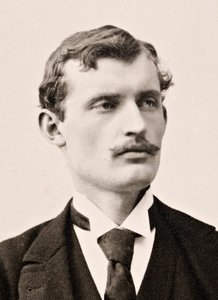
1863 - 1944 , Švedija


Sekite naujausias meno naujienas, išskirtinius pasiūlymus ir dekoravimo idėjas.
Pasakokite mums apie savo projektą, o mūsų meno ekspertai parengs jums 3 asmeniškus meno pasiūlymus.
Leiskite mums parinkti 3 variantus būtent jums – nemokamai!


 Peržiūrėti realybėje
 Pasidalinti
 Dalintis
 Išsamiau

 Atsisiųsti
 Panašūs eksponatai
 Rentgeno nuotrauka
 Automatinė diorama
 Skaityti daugiau


