x

 Pirkti atspaudą Pirkti skaitmeninį paveikslą
 Pasidalinti
 Išsamiau
 Pridėti į mėgstamiausius
 Atsisiųsti
 Panašūs eksponatai
 Rentgeno nuotrauka
 Automatinė diorama
Rankiniu būdu tapytas aliejus ant droblio jūsų pageidaujamame dydį ir rėmuose – mūsų menininkų darbas pagal užsakymą.





























Pasirinkite iš mūsų nustatytų dydžių, atitinkančių originalaus meno kūrinio proporcijas.

Galite įvesti savo matmenis, kad jie atitiktų konkretų rėmą ar erdvę. Jei pasirinktas dydis neatitinka originalaus paveikslėlio proporcijų, mes arba apkropsime meno kūrinį, arba papildysime tapybą rankomis dažytい elementais. Prieš pradėdami gamybą, jūsų patvirtinimui atsiųsime skaitmeninį maketą.
Atkreipkite dėmesį, kad ekrane rodomas vaizdas neatspindi tikrojo apkarpymo ar papildymo. Tik maketas tiksliai parodys galutinę kompoziciją.
Nors galima rinktis ir individualius dydžius, rekomenduojame pasirinkti matmenis iš nustatytos sąrašo, kad būtų išlaikytos originalios proporcijos.
Pristatymas visame pasaulyje () per 3–4 savaites, o ne įprastai – per 5 savaites. (20 liepa). Kokybė lieka nepakeičiama.


Hands
Reprodukcijos matmenys
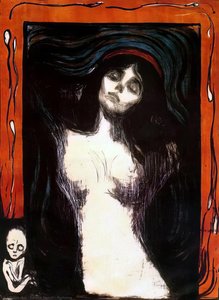
Edvard Munch, a titan of modern art, remains eternally etched in the collective consciousness as the creator of “The Scream,” an image synonymous with existential dread and psychological torment. Yet, beyond this iconic masterpiece lies another compelling work – “Hands,” painted in 1893, which offers a nuanced glimpse into Munch’s artistic vision and delves deeper into themes of vulnerability and emotional turmoil.
This haunting depiction portrays a woman clutching her head with both hands, an arresting composition that immediately draws the viewer into a realm of palpable anxiety. Painted during Munch's formative years as an Expressionist artist, “Hands” exemplifies the movement’s core tenets: prioritizing subjective experience and conveying inner emotional states above objective representation.
“Hands” transcends its surface depiction; it operates on multiple symbolic levels. The woman's gesture – clutching her head – is interpreted as representing profound distress, mirroring Munch’s own battles with mental illness and his personal experiences of trauma. It speaks to the universal human condition—the struggle against overwhelming emotion and the yearning for solace.
Furthermore, the painting resonates with broader artistic traditions concerned with capturing light and shadow to heighten dramatic effect – a technique known as chiaroscuro – which Munch skillfully employs to intensify the emotional resonance of the scene. The artwork’s enduring power lies in its ability to provoke contemplation on themes of anxiety, vulnerability, and the complexities of human emotion.
"Hands" stands as a testament to Munch's pioneering role in shaping Expressionism and influencing subsequent generations of artists. Its unflinching portrayal of psychological anguish continues to captivate audiences today, reminding us of the enduring relevance of art’s capacity to explore the darkest recesses of human experience.

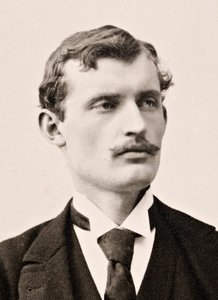
1863 - 1944 , Švedija

Atraskite 25 įspūdingiausius Edvard Munch šedevrus! Išsami informacija apie aliejaus tapybą, ekspresionizmą ir jo paveikslų istoriją. Meno reprodukcijos interjerui – Most-Famous-Paintings.com

Explore 10 iconic portrait paintings – from Mona Lisa to Van Gogh’s self-portraits. Discover the stories behind these masterpieces, artistic techniques & find museum-quality art reproductions for your home at Most-Famous-Paintings.com.
Atraskite 25 įspūdingiausius Egon Schiele šedevrus! Gilinkitės į ekspresionizmo pasaulį, portretų istorijas ir unikalią menininko spalvų paletę. Aukštos kokybės reprodukcijos interjerui – Most-Famous-Paintings.lt
Atraskite ekspresionizmo šedevrus! 10 įtakingiausių meno kūrinių, atskleisiančių Muncho, Kirchnerio ir kitų meistrų emocijas. Išmokite apie tapybos stilius bei spalvų paletę. Aukščiausios kokybės dailės reprodukcijos jūsų namams – Most-Famous-Paintings.com.

Atraskite 25 įspūdingiausius Francis Bacon paveikslus! Gilūs portretai, ekspresionizmo spalvos ir sielos gilumos istorijos. Meno kolekcija jūsų interjerui – Most-Famous-Paintings.com.


Sekite naujausias meno naujienas, išskirtinius pasiūlymus ir dekoravimo idėjas.
Pasakokite mums apie savo projektą, o mūsų meno ekspertai parengs jums 3 asmeniškus meno pasiūlymus.
Leiskite mums parinkti 3 variantus būtent jums – nemokamai!


 Dalintis


 Skaityti daugiau







 Stiklo variantas prieinamas tik pasirinkus dydį iki 110 cm