x

Muziejų lygio „giclée“ arba drobos spausdinimas: greita gamyba ir lankstios apdailos parinktys. ( Pirkti rankomis tapytą paveikslą Pirkti vaizdą)





























Pasirinkite iš mūsų nustatytų dydžių, atitinkančių originalaus meno kūrinio proporcijas.

Galite nurodyti savo matmenis, kad vaizdas atitiktų konkretų rėmą ar erdvę. Jei pasirinktas dydis nesutaps su originalaus paveikslėlio proporcijomis, mes arba apkirpsime kūrinį, arba išplėsime vaizdą naudojant veideliu atspindėtą arba vientisą šoną. Skaitmeninis maketas bus išsiųstas jums patvirtinti prieš pradedant gamybą.
Atkreipkite dėmesį, kad ekrane matomas vaizdinys neatspindi tikrojo apkirpimo ar išplėtimo. Tik maketas tiksliai parodytų galutinę kompoziciją.
Nors galima rinktis ir individualius dydžius, rekomenduojame pasirinkti vieną iš išanksti nustatytų matmenų, kad būtų išlaikytos originalios proporcijos.
Pristatymas visame pasaulyje () per 2 weeks, o ne įprastas 4/5 savaičių laikotarpis. (16 rugpjūtis)


Hermann Schlittgen
Reprodukcijos matmenys
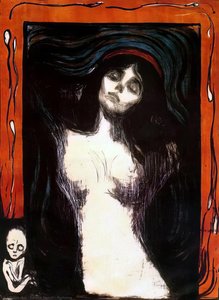
Edvard Munch's "The Man," painted in 1893, stands as a haunting testament to the anxieties simmering beneath the surface of late nineteenth-century European consciousness. More than just a depiction of an individual figure, it embodies a profound exploration of psychological distress—a preoccupation with themes that would solidify Munch’s reputation as one of the pioneers of Expressionism and profoundly influence subsequent artistic movements.
Beyond its formal elements, “The Man” is laden with symbolic significance. The yellow wall behind the figure represents warmth and optimism—a deceptive façade concealing a darker reality. It contrasts sharply with the man’s muted palette, highlighting his isolation and vulnerability. Crucially, the umbrella held by the man serves as a poignant emblem of protection against an unseen threat—perhaps representing futile attempts to shield oneself from overwhelming emotions or inescapable fate.
"The Man" transcends mere portraiture; it’s an unflinching portrayal of psychological anguish. Munch's ability to distill complex emotions into a single image is remarkable, capturing the essence of existential dread with breathtaking subtlety. The painting compels viewers to confront uncomfortable questions about identity, mortality, and the human experience—leaving them with a lingering sense of unease and contemplation.

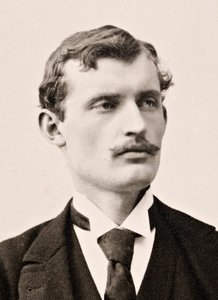
1863 - 1944 , Švedija


Sekite naujausias meno naujienas, išskirtinius pasiūlymus ir dekoravimo idėjas.
Pasakokite mums apie savo projektą, o mūsų meno ekspertai parengs jums 3 asmeniškus meno pasiūlymus.
Leiskite mums parinkti 3 variantus būtent jums – nemokamai!


 Peržiūrėti realybėje
 Pasidalinti
 Dalintis
 Išsamiau

 Atsisiųsti
 Panašūs eksponatai
 Rentgeno nuotrauka
 Automatinė diorama
 Skaityti daugiau







 Stiklo variantas prieinamas tik pasirinkus dydį iki 110 cm