x

Rankiniu būdu tapytas aliejus ant droblio jūsų pageidaujamame dydį ir rėmuose – mūsų menininkų darbas pagal užsakymą. ( Pirkti spaudinį Pirkti vaizdą)





























Pasirinkite iš mūsų nustatytų dydžių, atitinkančių originalaus meno kūrinio proporcijas.

Galite įvesti savo matmenis, kad jie atitiktų konkretų rėmą ar erdvę. Jei pasirinktas dydis neatitinka originalaus paveikslėlio proporcijų, mes arba apkropsime meno kūrinį, arba papildysime tapybą rankomis dažytい elementais. Prieš pradėdami gamybą, jūsų patvirtinimui atsiųsime skaitmeninį maketą.
Atkreipkite dėmesį, kad ekrane rodomas vaizdas neatspindi tikrojo apkarpymo ar papildymo. Tik maketas tiksliai parodys galutinę kompoziciją.
Nors galima rinktis ir individualius dydžius, rekomenduojame pasirinkti matmenis iš nustatytos sąrašo, kad būtų išlaikytos originalios proporcijos.
Pristatymas visame pasaulyje () per 3–4 savaites, o ne įprastai – per 5 savaites. (20 rugpjūtis). Kokybė lieka nepakeičiama.


Irmgard Steinbarth
Reprodukcijos matmenys
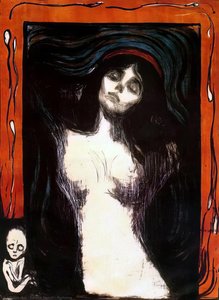
Edvard Munch’s “The Woman,” painted in 1893, stands as one of the most arresting depictions of psychological vulnerability within Symbolist art. More than just a portrait—though it undeniably captures the likeness of actress Elise Ottendorff—the painting transcends mere representation to become an embodiment of existential dread and unspoken emotion.
“The Woman” emerged during the “Fin de Siècle,” or End of Century, a period marked by profound social upheaval and intellectual ferment in Europe. Artists like Munch wrestled with anxieties surrounding mortality, sexuality, and the disintegration of traditional values—themes that resonated deeply within the collective psyche.
The painting is rife with symbolic elements designed to evoke a visceral emotional response in the viewer. The woman’s gaze—directed outwards but seemingly devoid of warmth—suggests detachment from the world around her and an inward preoccupation with grief. The hat, perched atop her head, symbolizes protection against external pressures while simultaneously concealing inner vulnerability.
"The Woman" continues to captivate audiences today, serving as a poignant reminder of the human condition’s inherent capacity for suffering and longing. High-quality reproductions offer art lovers an opportunity to experience Munch's evocative vision firsthand—allowing them to appreciate the subtle beauty of his Expressionist technique and contemplate the profound psychological depth of this iconic artwork.

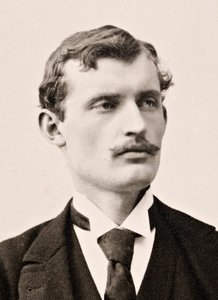
1863 - 1944 , Švedija

Explore the profound beauty of pastoral art history. From Arcadian myths to Impressionist mastery, discover how timeless landscapes capture nature's serenity and transform modern interiors with museum-quality, hand-painted oil reproductions.


Sekite naujausias meno naujienas, išskirtinius pasiūlymus ir dekoravimo idėjas.
Pasakokite mums apie savo projektą, o mūsų meno ekspertai parengs jums 3 asmeniškus meno pasiūlymus.
Leiskite mums parinkti 3 variantus būtent jums – nemokamai!


 Peržiūrėti realybėje
 Pasidalinti
 Dalintis
 Išsamiau

 Atsisiųsti
 Panašūs eksponatai
 Rentgeno nuotrauka
 Automatinė diorama
 Skaityti daugiau







 Stiklo variantas prieinamas tik pasirinkus dydį iki 110 cm