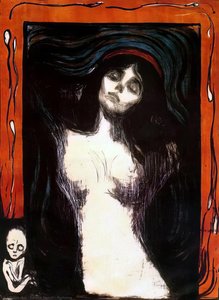
x

Rankiniu būdu tapytas aliejus ant droblio jūsų pageidaujamame dydį ir rėmuose – mūsų menininkų darbas pagal užsakymą. ( Pirkti spaudinį Pirkti vaizdą)





























Pasirinkite iš mūsų nustatytų dydžių, atitinkančių originalaus meno kūrinio proporcijas.

Galite įvesti savo matmenis, kad jie atitiktų konkretų rėmą ar erdvę. Jei pasirinktas dydis neatitinka originalaus paveikslėlio proporcijų, mes arba apkropsime meno kūrinį, arba papildysime tapybą rankomis dažytい elementais. Prieš pradėdami gamybą, jūsų patvirtinimui atsiųsime skaitmeninį maketą.
Atkreipkite dėmesį, kad ekrane rodomas vaizdas neatspindi tikrojo apkarpymo ar papildymo. Tik maketas tiksliai parodys galutinę kompoziciją.
Nors galima rinktis ir individualius dydžius, rekomenduojame pasirinkti matmenis iš nustatytos sąrašo, kad būtų išlaikytos originalios proporcijos.
Pristatymas visame pasaulyje () per 3–4 savaites, o ne įprastai – per 5 savaites. (17 rugpjūtis). Kokybė lieka nepakeičiama.


Jappe Nilssen
Reprodukcijos matmenys
Edvard Munch’s “Jappe Nilssen,” a portrait rendered with the artist's signature blend of psychological intensity and raw emotion, offers a glimpse into the life and mind of a significant figure in late 19th-century Norwegian art and literature. Painted in 1909, this work transcends a simple likeness; it’s a carefully constructed tableau of observation, hinting at unspoken anxieties and the quiet drama of human relationships. The painting depicts Nilssen, a writer and art critic deeply embedded within Oslo's vibrant bohemian circles, standing before what appears to be a hallway or doorway – a space that simultaneously suggests both entrance and confinement.
Munch’s technique is immediately recognizable. He employs a palette dominated by muted browns, greys, and blues, colors often associated with introspection and sadness. The lighting is dramatic, casting deep shadows across Nilssen's face and clothing, emphasizing his features and contributing to the overall sense of melancholy. Notice the loose brushstrokes, particularly in the rendering of the fabric – they aren’t meticulously detailed but rather convey a feeling of movement and restlessness. This deliberate lack of polish reinforces the painting’s emotional core, prioritizing expression over photographic realism.
To fully appreciate “Jappe Nilssen,” it’s crucial to understand its historical context. The late 1890s and early 1900s in Kristiania (now Oslo) were a period of remarkable artistic ferment, fueled by the influence of figures like Hans Jæger, who encouraged artists to explore their inner worlds through art. Munch was deeply involved in this circle, associating with writers, painters, and intellectuals who challenged conventional norms and embraced emotional honesty. Nilssen himself was a key player within this community, known for his critical essays and his own literary endeavors – notably his novel *Nemesis*, which explored themes of unrequited love and social constraints.
The inclusion of the two figures in the background—likely friends or colleagues—adds another layer to the narrative. They are partially obscured, suggesting a degree of separation and perhaps hinting at the complexities of Nilssen’s relationships. The doorway itself can be interpreted as a threshold – a point of transition between different states of being, mirroring the emotional turmoil evident in the subject's expression.
Munch was renowned for imbuing his paintings with symbolic meaning, often drawing upon personal experiences and anxieties. In “Jappe Nilssen,” the somber attire and pensive gaze of the sitter immediately evoke feelings of sadness and introspection. The shadows that envelop him aren’t merely aesthetic choices; they represent a sense of isolation and perhaps even impending doom – a recurring motif in Munch's oeuvre. The painting resonates with themes explored in Munch’s own life, particularly his struggles with loss, illness, and the pervasive awareness of mortality.
Interestingly, this portrait was commissioned during a period when Munch himself was grappling with mental health challenges. The painting can be viewed as a reflection of his own emotional state – a poignant exploration of vulnerability and the human condition. It’s a testament to Munch's ability to translate personal anguish into universally relatable imagery.
“Jappe Nilssen” is more than just a portrait; it’s a window into the artistic and intellectual landscape of early 20th-century Norway. It offers a rare glimpse into the life of a man who played a vital role in shaping the city's cultural identity, while simultaneously embodying the anxieties and uncertainties of his time. Most-Famous-Paintings’s meticulously crafted hand-painted reproductions allow you to experience this powerful work of art firsthand, capturing not only its visual beauty but also the profound emotional depth that lies at its heart. Consider it a captivating addition to any collection or a thoughtful piece for interior design, bringing a touch of Munch's evocative world into your space.

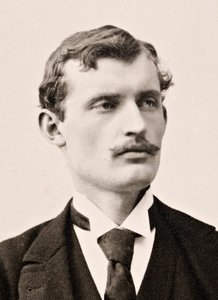
1863 - 1944 , Švedija
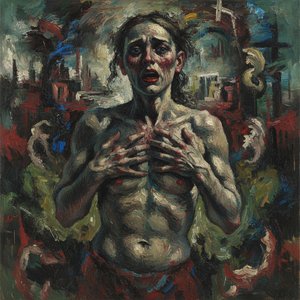
Explore the profound depth of Figurative Expressionism. From Edvard Munch to William H. Johnson, learn how masters use the human form to capture raw emotion through color and distortion in this expert art history guide.

Explore the profound history of Expressionism. From Edvard Munch to Jackson Pollock, discover how artists used distortion and color to convey raw emotion. A definitive guide for art lovers seeking deep historical context and mastery in fine art reproductions.

Explore the profound history of Surrealist Expressionism. Discover how artists blended dream logic with raw emotion to navigate post-war trauma through masterful, evocative imagery and psychological depth.


Sekite naujausias meno naujienas, išskirtinius pasiūlymus ir dekoravimo idėjas.
Pasakokite mums apie savo projektą, o mūsų meno ekspertai parengs jums 3 asmeniškus meno pasiūlymus.
Leiskite mums parinkti 3 variantus būtent jums – nemokamai!


 Peržiūrėti realybėje
 Pasidalinti
 Dalintis
 Išsamiau

 Atsisiųsti
 Panašūs eksponatai
 Rentgeno nuotrauka
 Automatinė diorama

 Skaityti daugiau







 Stiklo variantas prieinamas tik pasirinkus dydį iki 110 cm