x


 Pirkti atspaudą Pirkti skaitmeninį paveikslą
 Pasidalinti
 Išsamiau
 Pridėti į mėgstamiausius
 Atsisiųsti
 Panašūs eksponatai
 Rentgeno nuotrauka
 Automatinė diorama
Rankiniu būdu tapytas aliejus ant droblio jūsų pageidaujamame dydį ir rėmuose – mūsų menininkų darbas pagal užsakymą.





























Pasirinkite iš mūsų nustatytų dydžių, atitinkančių originalaus meno kūrinio proporcijas.

Galite įvesti savo matmenis, kad jie atitiktų konkretų rėmą ar erdvę. Jei pasirinktas dydis neatitinka originalaus paveikslėlio proporcijų, mes arba apkropsime meno kūrinį, arba papildysime tapybą rankomis dažytい elementais. Prieš pradėdami gamybą, jūsų patvirtinimui atsiųsime skaitmeninį maketą.
Atkreipkite dėmesį, kad ekrane rodomas vaizdas neatspindi tikrojo apkarpymo ar papildymo. Tik maketas tiksliai parodys galutinę kompoziciją.
Nors galima rinktis ir individualius dydžius, rekomenduojame pasirinkti matmenis iš nustatytos sąrašo, kad būtų išlaikytos originalios proporcijos.
Pristatymas visame pasaulyje () per 3–4 savaites, o ne įprastai – per 5 savaites. (21 liepa). Kokybė lieka nepakeičiama.


Marcel Archinard
Reprodukcijos matmenys
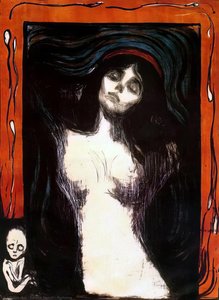
Edvard Munch, a name synonymous with the raw emotionality of Expressionism, is perhaps best known for his iconic depiction of existential dread in *The Scream*. However, to limit one's understanding of Munch to this single masterpiece would be to overlook the breadth and depth of his artistic exploration. *Marcel Archinard*, painted around 1904, offers a fascinating counterpoint to the angst-ridden imagery that often defines his work, revealing a more nuanced side of the artist—one captivated by the vibrant energy of Parisian life and the complexities of human connection. The painting portrays Marcel Archinard, a French writer and critic whom Munch encountered during his time in Paris, a period crucial for the development of his artistic style.
Munch’s *Marcel Archinard* is not merely a likeness; it's a distillation of atmosphere. The subject, dressed in a dark suit accented by a striking red tie, commands attention with a direct and somewhat serious gaze. He isn’t presented as aloof or unattainable, but rather as an engaged participant in the world around him. This sense of engagement is subtly reinforced by the inclusion of two figures in the background—ghostly presences that suggest a bustling social environment. The color palette is particularly striking: bold blues and oranges clash and complement each other, creating a dynamic tension that mirrors the intellectual ferment of early 20th-century Paris. Munch’s brushwork, while not as frenzied as in some of his more emotionally charged pieces, remains visible and expressive, lending texture and vitality to the composition. The painting is executed with oil on unprimed canvas, a technique that allowed Munch to achieve a unique luminosity and immediacy.
While seemingly straightforward as a portrait, *Marcel Archinard* carries layers of symbolic weight. The red tie, for instance, can be interpreted as a symbol of passion or perhaps even danger—a subtle hint at the complexities hidden beneath the surface of polite society. The contrast between the dark suit and the vibrant background colors suggests a tension between conformity and individuality, a theme that resonated deeply with Munch throughout his career. Having battled personal demons for much of his life, Munch was acutely aware of the fragility of the human psyche. Even in this seemingly balanced portrait, there’s an underlying sense of melancholy, a quiet introspection that invites viewers to contemplate the inner world of both the sitter and the artist. The painting reflects Munch's exploration of modern anxieties and the search for meaning in a rapidly changing world.
*Marcel Archinard* stands as a testament to Edvard Munch’s versatility and his ability to capture not just physical appearances, but also the essence of a person and the spirit of an era. It's a painting that invites contemplation, prompting viewers to consider the complexities of human relationships and the enduring power of art to reveal hidden truths. For those seeking to bring a touch of intellectual sophistication and emotional depth to their surroundings, a reproduction of *Marcel Archinard* offers a compelling choice—a window into the world of Parisian bohemia and the mind of one of history’s most influential artists.

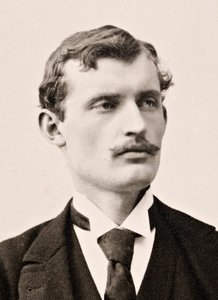
1863 - 1944 , Švedija
Atraskite 25 įspūdingiausius Henri Matisse šedevrus! Sužinokite apie Fauvizmą, spalvų magiją ir prancūzų dailininko kūrybos istorijas. Meno reprodukcijos jūsų interjerui – Most-Famous-Paintings.com

Explore the fascinating history of art collectors in Western painting, from Renaissance patrons to modern museum founders. Discover how portraits revealed status, shaped artistic movements & built lasting legacies. Expert insights at Most-Famous-Paintings.

Atraskite 25 įspūdingiausius Edvard Munch šedevrus! Išsami informacija apie aliejaus tapybą, ekspresionizmą ir jo paveikslų istoriją. Meno reprodukcijos interjerui – Most-Famous-Paintings.com
Explore the powerful world of Expressionism! Discover key artists like Kirchner & Nolde, understand its emotional impact, and learn about this revolutionary art movement's lasting legacy. Expert insights for collectors & enthusiasts.

Explore 10 legendary 'Acrylic on Paper' masterpieces by artists like Helen Frankenthaler & Gerhard Richter. Discover abstract expressionism, color field painting & the evolution of modern art. Find museum-quality reproductions for your home at Most-Famous-Paintings.com.


Sekite naujausias meno naujienas, išskirtinius pasiūlymus ir dekoravimo idėjas.
Pasakokite mums apie savo projektą, o mūsų meno ekspertai parengs jums 3 asmeniškus meno pasiūlymus.
Leiskite mums parinkti 3 variantus būtent jums – nemokamai!


 Dalintis


 Skaityti daugiau







 Stiklo variantas prieinamas tik pasirinkus dydį iki 110 cm