


x

 Oil On CanvasWallArtExpressionism
 189319th Century
 70.0 x 57.0 cm
Įsigykite aukštos skiriamosios raiškos, patobulintą skaitmeninį vaizdą, gerokai pranašesnį už internetinę peržiūrą.
Kiekvieną failą mūsų specialistai kruopščiai paruošia naudojant pažangias technologijas ir profesionalų rankinį retušavimą. Užtikriname, kad kiekvienas vaizdas pasižymėtų išskirtiniu aiškumu, tikslia spalvų atspalviu ir smulkiomis detalėmis.
Baigiamas failas el. paštu pristatomas per 72 valandas; jis optimizuotas nedelsiant naudojimui profesionalioje, redakcinėje ir spausdinimo aplinkoje. Tai ta pati kokybė, kuria pasitiki aukščiausios klasės dizaino studijos, leidyklos ir galerijos.
Atsisiųskite didelės raiškos failą asmeniniam naudojimui, spausdinimui ir kūrybiniams projektams. ( Pirkti spaudinį Pirkti rankomis tapytą paveikslą)
Pasirinkę Most-Famous-Paintings.com, jūs ne tik gaunate paveikslėlį – jūs gaunate profesionaliai patobudintą skaitmeninį kūrinį, sukurtą itin tikniai ir užtikrinantį pasitenkinimą. Štai viską, kas automatiškai pritékia jūsų užsakymui:

Jūsų aukštos raiškos skaitmeninis vaizdo failas bus išsiųstas jums el. paštu per 72 valaudas nuo užsakymo – paruoštas naudojimui be jokių papildomų veiksmų.

Jūsų meno kūrinys profesionaliai optimizuojamas naudojant pažangius dirbtinio intelekto įrankius ir rankinį redagavimą, užtikrinant maksimalią detalę, aiškumą ir spalvų tikslumą.

Atsitiktinai ištrytikote ar praradote savo failą? Nebijokite – bet kuriuo metu atsiųsime jį jums vėl nemokamai.

Mėgaukitės savo meno kūriniu akimirka – skaitiniai failai visada yra neapmokestinami, todėl nereikės mokėti muitinės, mokesčių ar pristatymo mokesčių.

Naudodami profesionalią įrangą ir spalvų valdymo sistemas, užtikriname, kad jūsų skaitmeninis vaizdas kuo tiksliau atspindėtų originalias spalvas.

Jei nebuvate patenkinti savo skaitinio vaizdo, per 60 dienų jį pertaisysime arba grąkinsime 100% sumą – be jokių klausimų.

Nepat 만족inti? Gaukite visą sumokėtą sumą per 60 dienų nuo skaitmeninio failo gavimo – be jokių papildomų klausimų.

Pirkti 3 nuotraukas – pasiūla 10% - Pirkti 5 – pasiūla 15% - Pirkti 10 ir daugiau – pasiūla 20%. Puikiai tinka kūrybiniams projektams, galerijoms bei agentūroms.
Edvard Munch’s Night in Saint-Cloud, painted in 1893, is more than just a depiction of an interior scene; it's a profound exploration of solitude, introspection, and the lingering weight of loss. This evocative oil painting, created during a period of personal turmoil for the artist, offers viewers a window into Munch’s inner world, rendered with his signature expressive style.
The artwork portrays a dimly lit interior, likely a hallway or corridor viewed through a window in a Parisian suburb. The scene is dominated by the verticality of the wall and window frame, contrasted by horizontal lines of the floor and receding passage. A solitary figure, silhouetted against the moonlight, stands within the room – believed to be Danish poet Emanuel Goldstein posing for Munch. This enigmatic presence adds an air of mystery and intrigue to the composition. The perspective is skillfully employed to create a sense of depth, drawing the viewer into the space beyond the window while simultaneously emphasizing the isolation of the figure.
Night in Saint-Cloud exemplifies Munch’s burgeoning expressionistic style. Departing from strict representational accuracy, Munch prioritizes conveying emotion and atmosphere over precise detail. The color palette is deliberately muted – a blend of blues, grays, and browns – contributing to the painting's overall feeling of stillness and melancholy. Loose, expressive brushstrokes are evident throughout, eschewing sharp outlines in favor of an atmospheric quality. The use of impasto—thickly applied paint—around the window frame and wall adds physicality and texture, enhancing the immersive experience for the viewer. The lighting is minimal, with a strong vertical beam emanating from the window, casting dramatic shadows that further amplify the sense of isolation.
Painted in Berlin in 1893, this version of Night in Saint-Cloud was created during a period when Munch frequently depicted nocturnal window scenes. The painting’s creation coincided with a time of personal grief for the artist; it followed closely on the heels of his father's death and reflected a broader sense of melancholy that permeated his life at the time. The figure silhouetted in the moonlight can be interpreted as representing introspection, perhaps even a symbolic representation of Munch himself grappling with loss and existential questions. The window itself acts as a barrier between the interior world – the realm of personal emotions and memories – and the exterior world, suggesting themes of isolation and longing.
Night in Saint-Cloud resonates deeply with viewers due to its ability to evoke a profound sense of melancholy and introspection. The painting’s quiet intensity invites contemplation on themes of solitude, loss, and the human condition. Munch's masterful use of color, light, and composition creates an atmosphere that is both haunting and beautiful, solidifying its place as a significant work within the Expressionist movement and a testament to Munch's enduring artistic legacy.
Edvard Munch was born on December 12, 1863, in Adelsbruk, Sweden, though he spent most of his life in Norway. His childhood was profoundly shaped by tragedy and instability. The early loss of his mother to tuberculosis when he was five years old, followed by the death of his favorite sister Sophie from the same disease nine years later, left an indelible mark on Munch’s psyche. He also battled a lifelong fear of inheriting the familial mental illness that plagued his father. These experiences instilled in him a deep preoccupation with mortality, sickness, and psychological distress – themes that would dominate his artistic output.
Munch's early education at the Royal School of Art and Design in Kristiania (now Oslo) proved pivotal. There, he encountered nihilist philosopher Hans Jæger, who encouraged Munch to explore his inner turmoil and express it through art, rejecting conventional artistic norms.

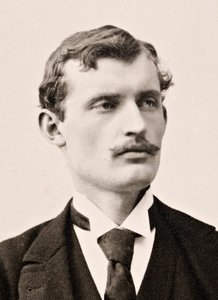
1863 - 1944 , Švedija


Sekite naujausias meno naujienas, išskirtinius pasiūlymus ir dekoravimo idėjas.
Pasakokite mums apie savo projektą, o mūsų meno ekspertai parengs jums 3 asmeniškus meno pasiūlymus.
Leiskite mums parinkti 3 variantus būtent jums – nemokamai!


 Peržiūrėti realybėje
 Pasidalinti
 Dalintis
 Išsamiau

 Atsisiųsti
 Panašūs eksponatai
 Rentgeno nuotrauka
 Automatinė diorama
 Skaityti daugiau


