


x

Rankiniu būdu tapytas aliejus ant droblio jūsų pageidaujamame dydį ir rėmuose – mūsų menininkų darbas pagal užsakymą. ( Pirkti spaudinį Pirkti vaizdą)





























Pasirinkite iš mūsų nustatytų dydžių, atitinkančių originalaus meno kūrinio proporcijas.

Galite įvesti savo matmenis, kad jie atitiktų konkretų rėmą ar erdvę. Jei pasirinktas dydis neatitinka originalaus paveikslėlio proporcijų, mes arba apkropsime meno kūrinį, arba papildysime tapybą rankomis dažytい elementais. Prieš pradėdami gamybą, jūsų patvirtinimui atsiųsime skaitmeninį maketą.
Atkreipkite dėmesį, kad ekrane rodomas vaizdas neatspindi tikrojo apkarpymo ar papildymo. Tik maketas tiksliai parodys galutinę kompoziciją.
Nors galima rinktis ir individualius dydžius, rekomenduojame pasirinkti matmenis iš nustatytos sąrašo, kad būtų išlaikytos originalios proporcijos.
Pristatymas visame pasaulyje () per 3–4 savaites, o ne įprastai – per 5 savaites. (25 rugpjūtis). Kokybė lieka nepakeičiama.


Snow shovelers
Reprodukcijos matmenys
Edvard Munch’s “Snow Shovelers,” painted in 1936, isn't merely a depiction of winter labor; it’s a profound distillation of the anxieties simmering beneath the surface of modern life. Captured with his signature Expressionist brushstrokes and a palette dominated by muted blues, greys, and ochres, the painting immediately evokes a sense of isolation and quiet desperation. The scene unfolds within a stark, almost desolate landscape – a vast expanse of snow-covered ground punctuated by the figures engaged in their arduous task. The composition itself is deliberately unsettling; the figures are small and indistinct, dwarfed by the immensity of the winter world, suggesting a vulnerability against the relentless forces of nature and perhaps, societal pressures.
Munch’s masterful use of color and line is central to the painting's emotional power. He eschews realistic representation, instead prioritizing the conveyance of inner feeling. Notice how the blues aren’t uniform; they shift and swirl, creating a sense of unease and instability. The brushstrokes themselves are agitated and visible, mirroring the turmoil within the figures and reflecting the artist’s own turbulent psychological state. Munch employed a technique he called “cloaking,” layering colors to create an almost dreamlike quality, as if the scene is filtered through a veil of melancholy. The lack of sharp detail forces the viewer to focus on the overall mood and atmosphere rather than precise representation.
Created during a period marked by profound social and psychological upheaval – the rise of industrialization, urbanization, and increasing anxieties about modernity – “Snow Shovelers” speaks directly to this era’s sense of alienation. Munch himself was deeply affected by personal tragedies—the early deaths of his mother and sister from tuberculosis, and his own struggles with mental illness—and these experiences undoubtedly informed his artistic vision. The painting can be interpreted as a metaphor for the human condition: individuals struggling against overwhelming forces, trapped within their own internal landscapes of sorrow and uncertainty. It’s not simply about shoveling snow; it's about enduring hardship, facing mortality, and grappling with the complexities of existence.
Historical Context: The painting was created in 1936, a time of economic depression and rising political tensions across Europe. Munch’s work resonated deeply with the anxieties of the age, capturing a sense of disillusionment and despair that mirrored the mood of the times. The title itself – “Snow Shovelers” – suggests a mundane, repetitive task, highlighting the dehumanizing aspects of modern labor.Beyond its technical brilliance, "Snow Shovelers" is rich in symbolic meaning. The figures themselves represent humanity stripped bare, reduced to their most basic function—survival. Their bowed postures and weary expressions convey a profound sense of exhaustion and resignation. The vastness of the snow-covered landscape symbolizes the overwhelming nature of life’s challenges. The painting's enduring power lies in its ability to evoke a visceral emotional response – a feeling of melancholy, loneliness, and perhaps even a touch of dread. It is a haunting reminder of our shared vulnerability and the inherent difficulties of navigating the human experience. Reproductions of this work offer a powerful way to bring Munch’s evocative vision into any space, prompting contemplation on themes of resilience, isolation, and the enduring power of art.

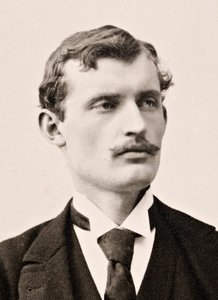
1863 - 1944 , Švedija

Explore the profound depth of Figurative Expressionism. From Edvard Munch to William H. Johnson, learn how masters use the human form to capture raw emotion through color and distortion in this expert art history guide.

Explore the profound history of Expressionism. From Edvard Munch to Jackson Pollock, discover how artists used distortion and color to convey raw emotion. A definitive guide for art lovers seeking deep historical context and mastery in fine art reproductions.

Explore the profound history of Surrealist Expressionism. Discover how artists blended dream logic with raw emotion to navigate post-war trauma through masterful, evocative imagery and psychological depth.


Sekite naujausias meno naujienas, išskirtinius pasiūlymus ir dekoravimo idėjas.
Pasakokite mums apie savo projektą, o mūsų meno ekspertai parengs jums 3 asmeniškus meno pasiūlymus.
Leiskite mums parinkti 3 variantus būtent jums – nemokamai!


 Peržiūrėti realybėje
 Pasidalinti
 Dalintis
 Išsamiau

 Atsisiųsti
 Panašūs eksponatai
 Rentgeno nuotrauka
 Automatinė diorama

 Skaityti daugiau







 Stiklo variantas prieinamas tik pasirinkus dydį iki 110 cm


