x


 Preview
 Pirkti atspaudą Pirkti skaitmeninį paveikslą
 Pasidalinti
 Išsamiau
 Pridėti į mėgstamiausius
 Atsisiųsti
 Panašūs eksponatai
 Rentgeno nuotrauka
 Automatinė diorama
Rankiniu būdu tapytas aliejus ant droblio jūsų pageidaujamame dydį ir rėmuose – mūsų menininkų darbas pagal užsakymą.





























Pasirinkite iš mūsų nustatytų dydžių, atitinkančių originalaus meno kūrinio proporcijas.

Galite įvesti savo matmenis, kad jie atitiktų konkretų rėmą ar erdvę. Jei pasirinktas dydis neatitinka originalaus paveikslėlio proporcijų, mes arba apkropsime meno kūrinį, arba papildysime tapybą rankomis dažytい elementais. Prieš pradėdami gamybą, jūsų patvirtinimui atsiųsime skaitmeninį maketą.
Atkreipkite dėmesį, kad ekrane rodomas vaizdas neatspindi tikrojo apkarpymo ar papildymo. Tik maketas tiksliai parodys galutinę kompoziciją.
Nors galima rinktis ir individualius dydžius, rekomenduojame pasirinkti matmenis iš nustatytos sąrašo, kad būtų išlaikytos originalios proporcijos.
Pristatymas visame pasaulyje () per 3–4 savaites, o ne įprastai – per 5 savaites. (27 liepa). Kokybė lieka nepakeičiama.


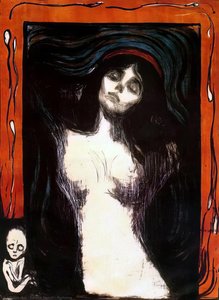
Vågen munch museum, oslo
Reprodukcijos matmenys
Edvard Munch’s “Vågen Munch Museum, Oslo” isn't merely a landscape painting; it’s a visceral embodiment of existential angst rendered in the luminous hues of twilight. Captured sometime around 1893, this monumental canvas—likely conceived during Munch’s formative years as an Expressionist—immediately draws the viewer into a scene brimming with unspoken emotion and psychological depth.
The composition itself is deceptively simple. A vast expanse of fjord water dominates the lower half of the painting, reflecting the fading embers of sunset. Scattered amongst the dark pines lining the shoreline are trees – not idealized representations of nature but rendered with agitated brushstrokes that convey a sense of turbulence and unease. Two figures stand prominently in the foreground, positioned near the center of the composition, their postures conveying a palpable tension.
"Vågen Munch Museum, Oslo" emerged during a period of profound intellectual and social upheaval—the late 1890s. Sigmund Freud’s groundbreaking work on psychoanalysis was beginning to reshape understandings of the human psyche, exploring unconscious desires and anxieties. Munch's painting reflects this burgeoning interest in psychological exploration, capturing the pervasive sense of dread that characterized the era.
Furthermore, Munch’s personal life—marked by familial tragedy and recurring bouts of mental illness—fueled his artistic vision. The death of his sister Sophie from tuberculosis profoundly impacted him, instilling a lifelong preoccupation with mortality and vulnerability. This biographical element informs the painting's symbolic resonance, suggesting an awareness of human fragility against the backdrop of nature’s indifference.
The figures in “Vågen” are deliberately ambiguous, their faces obscured by shadow—a technique frequently employed by Munch to convey emotional concealment. They stand alone on the shoreline, embodying a sense of isolation and vulnerability amidst the grandeur of the landscape. The turbulent fjord water symbolizes the overwhelming forces of nature and, metaphorically, the anxieties that threaten to consume the human spirit.
Ultimately, “Vågen Munch Museum, Oslo” transcends its visual description; it’s an invitation to contemplate the complexities of human emotion—fear, sorrow, longing—and to appreciate Munch's unparalleled ability to translate psychological experience into a powerfully evocative artwork. Its enduring appeal lies in its capacity to resonate with viewers across generations, reminding us that art can illuminate the darkest recesses of our inner lives.

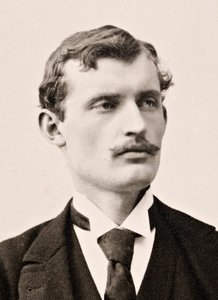
1863 - 1944 , Švedija

Atraskite 25 įspūdingiausius Edvard Munch šedevrus! Išsami informacija apie aliejaus tapybą, ekspresionizmą ir jo paveikslų istoriją. Meno reprodukcijos interjerui – Most-Famous-Paintings.com

Explore the profound world of Clyfford Still's Abstract Expressionism with Most-Famous-Paintings. Discover his unique style, existential themes & investment potential. Expert analysis for discerning collectors.
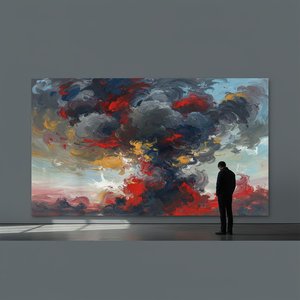
Explore the profound emotional world of Abstract Expressionism with Most-Famous-Paintings. Discover key artists like Pollock & Rothko, learn about collecting, and find museum-quality reproductions to inspire your space.

Explore the history of serene landscapes in art! Discover renowned artists like Monet & Munch, movements from Impressionism to Tonalism, and find the perfect piece to bring tranquility to your home. Expert insights at Most-Famous-Paintings.

Explore the evolution of cityscape painting from Realism to contemporary art with Most-Famous-Paintings. Discover key artists & invest in timeless urban visions. Expert guidance, museum-quality reproductions.


Sekite naujausias meno naujienas, išskirtinius pasiūlymus ir dekoravimo idėjas.
Pasakokite mums apie savo projektą, o mūsų meno ekspertai parengs jums 3 asmeniškus meno pasiūlymus.
Leiskite mums parinkti 3 variantus būtent jums – nemokamai!


 Dalintis


 Skaityti daugiau







 Stiklo variantas prieinamas tik pasirinkus dydį iki 110 cm