x


 Preview
 Užsisakyti kopiją Pirkti skaitmeninį paveikslą
 Pasidalinti
 Išsamiau
 Pridėti į mėgstamiausius
 Atsisiųsti
 Panašūs eksponatai
 Rentgeno nuotrauka
 Automatinė diorama
Muziejų lygio „giclée“ arba drobos spausdinimas: greita gamyba ir lankstios apdailos parinktys.





























Pasirinkite iš mūsų nustatytų dydžių, atitinkančių originalaus meno kūrinio proporcijas.

Galite nurodyti savo matmenis, kad vaizdas atitiktų konkretų rėmą ar erdvę. Jei pasirinktas dydis nesutaps su originalaus paveikslėlio proporcijomis, mes arba apkirpsime kūrinį, arba išplėsime vaizdą naudojant veideliu atspindėtą arba vientisą šoną. Skaitmeninis maketas bus išsiųstas jums patvirtinti prieš pradedant gamybą.
Atkreipkite dėmesį, kad ekrane matomas vaizdinys neatspindi tikrojo apkirpimo ar išplėtimo. Tik maketas tiksliai parodytų galutinę kompoziciją.
Nors galima rinktis ir individualius dydžius, rekomenduojame pasirinkti vieną iš išanksti nustatytų matmenų, kad būtų išlaikytos originalios proporcijos.
Pristatymas visame pasaulyje () per 2 weeks, o ne įprastas 4/5 savaičių laikotarpis. (27 liepa)


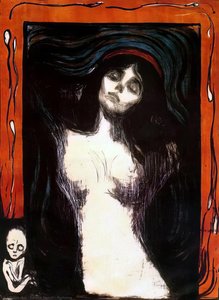
untitled (3515)
Reprodukcijos matmenys
Edvard Munch's “Untitled (3515)” stands as a haunting emblem of Expressionism, capturing the pervasive dread and psychological turmoil characteristic of its era. Painted around 1899, this monochrome portrait delves into the depths of human emotion with unsettling precision—a testament to Munch’s unwavering commitment to conveying inner experience rather than merely representing external reality.
The painting employs a deceptively simple frontal composition. A woman dominates the vertical space, flanked by two indistinct figures that heighten the sense of isolation surrounding her central presence. Munch’s masterful technique—loose brushstrokes and subtle blending—creates an atmosphere of palpable unease. The canvas is treated with oil paints, layering them to achieve textural depth and capturing the ethereal quality of Munch's vision.
Strikingly devoid of color, “Untitled (3515)” relies on shades of black, grey, and white—a deliberate choice that amplifies the painting’s emotional impact. The diffused lighting casts shadows across the woman's face and body, emphasizing her expression and contributing to a dramatic mood. This subdued palette underscores Munch’s preoccupation with darkness and melancholy, mirroring the anxieties he sought to portray.
Beyond its formal elements, “Untitled (3515)” resonates with profound symbolic significance. The woman's gaze—direct yet melancholic—suggests a confrontation with inner turmoil. The two figures on either side symbolize the inescapable presence of external forces shaping our internal landscape. Munch’s exploration of themes like fear and vulnerability aligns perfectly with the broader anxieties of the fin de siècle, cementing “Untitled (3515)” as an enduring masterpiece.
Created during Munch's formative years—influenced by Nietzschean philosophy and personal experiences marked by illness and loss—the painting embodies the spirit of Expressionism. Its impact extends far beyond its time, inspiring artists and writers alike to grapple with existential questions. Today, reproductions of “Untitled (3515)” continue to captivate audiences worldwide, serving as a poignant reminder of Munch’s ability to distill complex emotions into unforgettable visual imagery.

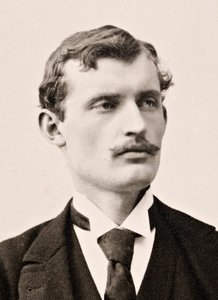
1863 - 1944 , Švedija

Delve into the power of 'Ivory Black' with 10 iconic paintings by masters like Rembrandt & Caravaggio. Explore dramatic chiaroscuro, gothic moods & timeless art history. Find museum-quality reproductions and elevate your home decor at

Explore the raw emotion of Expressionism with Most-Famous-Paintings. Discover its history, key artists like Kirchner & Munch, and lasting influence on modern art. Expert insights for collectors & enthusiasts.
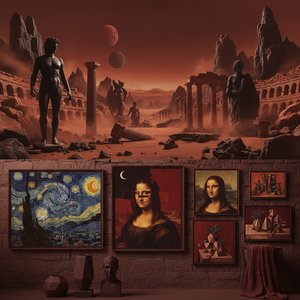
Delve into the power of 'Mars Black' with 10 iconic paintings by masters like Rembrandt & Caravaggio. Explore dramatic chiaroscuro, gothic art, and timeless beauty. Find museum-quality reproductions & elevate your home decor on .

Delve into the captivating world of 'Lamp Black' tones with 10 iconic paintings by masters like Rembrandt & Caravaggio. Explore Baroque chiaroscuro, dramatic lighting & shadow in art history. Find museum-quality reproductions at

Explore the profound world of Edvard Munch, pioneer of Expressionism. Discover the origins of 'The Scream' & his haunting depictions of anxiety, mortality, and love. Expert analysis & high-quality reproductions at Most-Famous-Paintings.


Sekite naujausias meno naujienas, išskirtinius pasiūlymus ir dekoravimo idėjas.
Pasakokite mums apie savo projektą, o mūsų meno ekspertai parengs jums 3 asmeniškus meno pasiūlymus.
Leiskite mums parinkti 3 variantus būtent jums – nemokamai!


 Dalintis


 Skaityti daugiau







 Stiklo variantas prieinamas tik pasirinkus dydį iki 110 cm