x


 Preview
 Užsisakyti kopiją Pirkti skaitmeninį paveikslą
 Pasidalinti
 Išsamiau
 Pridėti į mėgstamiausius
 Atsisiųsti
 Panašūs eksponatai
 Rentgeno nuotrauka
 Automatinė diorama
Muziejų lygio „giclée“ arba drobos spausdinimas: greita gamyba ir lankstios apdailos parinktys.





























Pasirinkite iš mūsų nustatytų dydžių, atitinkančių originalaus meno kūrinio proporcijas.

Galite nurodyti savo matmenis, kad vaizdas atitiktų konkretų rėmą ar erdvę. Jei pasirinktas dydis nesutaps su originalaus paveikslėlio proporcijomis, mes arba apkirpsime kūrinį, arba išplėsime vaizdą naudojant veideliu atspindėtą arba vientisą šoną. Skaitmeninis maketas bus išsiųstas jums patvirtinti prieš pradedant gamybą.
Atkreipkite dėmesį, kad ekrane matomas vaizdinys neatspindi tikrojo apkirpimo ar išplėtimo. Tik maketas tiksliai parodytų galutinę kompoziciją.
Nors galima rinktis ir individualius dydžius, rekomenduojame pasirinkti vieną iš išanksti nustatytų matmenų, kad būtų išlaikytos originalios proporcijos.
Pristatymas visame pasaulyje () per 2 weeks, o ne įprastas 4/5 savaičių laikotarpis. (23 liepa)


untitled (4577)
Reprodukcijos matmenys
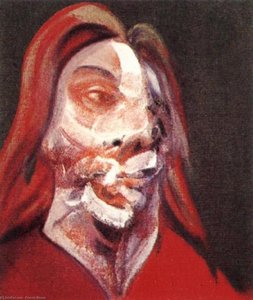
Edvard Munch's "Untitled (4577)" is not merely a depiction of a man in a suit; it’s a visceral embodiment of the anxieties that defined his era and, profoundly, his own life. Painted during a period of intense personal struggle – marked by familial loss, mental health challenges, and a deep-seated awareness of mortality – this work transcends simple portraiture to become a haunting meditation on isolation, observation, and the unsettling nature of human experience. The painting’s power resides in its deliberate ambiguity; we are presented with a figure seemingly poised for interaction, yet utterly detached, lost within his own internal world.
Munch's signature style is immediately apparent. The painting explodes with the vibrant, almost jarring colors characteristic of Expressionism – a movement that sought to convey subjective emotions rather than objective reality. The dominant red backdrop isn’t simply a background; it feels oppressive, a visual representation of internal turmoil or perhaps even impending doom. Notice how Munch employs bold, sweeping brushstrokes, particularly in the figure's clothing and the surrounding space, creating a sense of dynamism and unease. There’s a deliberate distortion of form, a slight elongation of features that contributes to the overall feeling of instability. This isn’t about capturing a likeness; it’s about channeling an emotional state.
The details of the painting are laden with symbolic weight. The man’s pose—hands on hips, a slightly skeptical gaze directed off-camera—suggests he is observing something, perhaps someone, but remains detached. This mirrors Munch's own feelings of alienation and his tendency to observe life from a distance, often struggling to connect emotionally. The presence of the two figures in the background – partially obscured yet undeniably present – hints at a social context, possibly representing the pressures or judgments of society, further intensifying the subject’s isolation. The mustache, a common feature of the period, can be interpreted as a symbol of established order and societal expectations, which the central figure seems to resist.
Understanding Edvard Munch’s life is crucial to interpreting this work. His childhood was profoundly shaped by illness and death – his mother and sister succumbed to tuberculosis, experiences that instilled in him a lifelong preoccupation with mortality and suffering. These traumas fueled his artistic exploration of the darker aspects of human existence. “Untitled (4577)” can be seen as a direct reflection of this inner landscape, a visual manifestation of the anxieties and uncertainties that plagued Munch throughout his life. It’s a poignant reminder of the artist's ability to translate personal pain into universally resonant imagery. Munch’s work continues to resonate today because it taps into fundamental human emotions – fear, loneliness, and the search for meaning in a world often perceived as chaotic and indifferent.
Most-Famous-Paintings offers meticulously crafted hand-painted reproductions of “Untitled (4577),” allowing you to bring this powerful and evocative artwork into your home or office. Each reproduction is created with the same attention to detail and emotional intensity as the original, capturing the essence of Munch’s genius and ensuring that this haunting portrait continues to speak to generations to come.

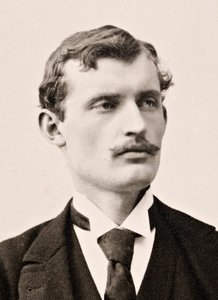
1863 - 1944 , Švedija

Atraskite 25 įspūdingiausius Edvard Munch šedevrus! Išsami informacija apie aliejaus tapybą, ekspresionizmą ir jo paveikslų istoriją. Meno reprodukcijos interjerui – Most-Famous-Paintings.com
Atraskite ekspresionizmo šedevrus! 10 įtakingiausių meno kūrinių, atskleisiančių Muncho, Kirchnerio ir kitų meistrų emocijas. Išmokite apie tapybos stilius bei spalvų paletę. Aukščiausios kokybės dailės reprodukcijos jūsų namams – Most-Famous-Paintings.com.

Explore the rich symbolism of the red dress in art history! From ancient power displays to iconic portraits like Cézanne’s 'Madame Cezanne', discover the cultural and artistic significance behind this captivating color. Expert analysis & insights.

Explore 25 iconic John Singer Sargent paintings – from dazzling portraits to Impressionist landscapes. Discover the stories behind Madame X, El Jaleo & more! Find museum-quality art reproductions and elevate your home decor with Most-Famous-Paintings.com.

Explore the raw emotion of Expressionism with Most-Famous-Paintings. Discover its history, key artists like Kirchner & Munch, and lasting influence on modern art. Expert insights for collectors & enthusiasts.


Sekite naujausias meno naujienas, išskirtinius pasiūlymus ir dekoravimo idėjas.
Pasakokite mums apie savo projektą, o mūsų meno ekspertai parengs jums 3 asmeniškus meno pasiūlymus.
Leiskite mums parinkti 3 variantus būtent jums – nemokamai!


 Dalintis


 Skaityti daugiau







 Stiklo variantas prieinamas tik pasirinkus dydį iki 110 cm