x


 Preview
 Užsisakyti kopiją Pirkti skaitmeninį paveikslą
 Pasidalinti
 Išsamiau
 Pridėti į mėgstamiausius
 Atsisiųsti
 Panašūs eksponatai
 Rentgeno nuotrauka
 Automatinė diorama
Muziejų lygio „giclée“ arba drobos spausdinimas: greita gamyba ir lankstios apdailos parinktys.





























Pasirinkite iš mūsų nustatytų dydžių, atitinkančių originalaus meno kūrinio proporcijas.

Galite nurodyti savo matmenis, kad vaizdas atitiktų konkretų rėmą ar erdvę. Jei pasirinktas dydis nesutaps su originalaus paveikslėlio proporcijomis, mes arba apkirpsime kūrinį, arba išplėsime vaizdą naudojant veideliu atspindėtą arba vientisą šoną. Skaitmeninis maketas bus išsiųstas jums patvirtinti prieš pradedant gamybą.
Atkreipkite dėmesį, kad ekrane matomas vaizdinys neatspindi tikrojo apkirpimo ar išplėtimo. Tik maketas tiksliai parodytų galutinę kompoziciją.
Nors galima rinktis ir individualius dydžius, rekomenduojame pasirinkti vieną iš išanksti nustatytų matmenų, kad būtų išlaikytos originalios proporcijos.
Pristatymas visame pasaulyje () per 2 weeks, o ne įprastas 4/5 savaičių laikotarpis. (27 liepa)


untitled (5798)
Reprodukcijos matmenys
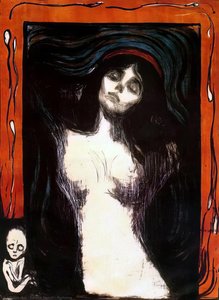
Edvard Munch’s “Untitled (5798),” a deceptively simple depiction of two women strolling along a street, transcends mere observation to become a visceral embodiment of the anxieties that defined Expressionism and reverberate through modern art history. Painted in 1906 during Munch's prolific period of artistic experimentation, this pastel drawing offers a glimpse into his profound preoccupation with themes of isolation, fear, and the inescapable awareness of mortality – concerns deeply rooted in his personal life experiences.
Beyond its formal elements, “Untitled (5798)” is laden with symbolic significance. The woman on the left side represents a figure caught in contemplation, perhaps wrestling with internal turmoil—a reflection of Munch’s own struggles with depression. The positioning of the women suggests a dynamic tension between companionship and separation, mirroring the complexities of human relationships and the pervasive feeling of vulnerability.
"Untitled (5798)" isn't merely a depiction; it’s an attempt to distill emotion onto paper. Munch achieves this remarkable feat through masterful use of color and texture, inviting viewers into his inner world—a realm dominated by fear and sorrow. The painting’s subdued palette and expressive brushstrokes convey a palpable sense of vulnerability and psychological depth, cementing its place as one of Munch's most poignant expressions of human experience.
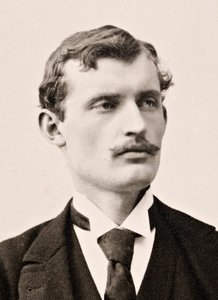
1863 - 1944 , Švedija
Atraskite ekspresionizmo šedevrus! 10 įtakingiausių meno kūrinių, atskleisiančių Muncho, Kirchnerio ir kitų meistrų emocijas. Išmokite apie tapybos stilius bei spalvų paletę. Aukščiausios kokybės dailės reprodukcijos jūsų namams – Most-Famous-Paintings.com.

Explore the profound psychological themes within 20th & 21st-century art. Discover Expressionism, Surrealism & more – and learn how to collect impactful pieces with confidence. Expert insights for discerning collectors.

Explore the psychology of playful art! Discover how humorous & whimsical paintings foster emotional wellbeing & connection. Expert insights for collectors & luxury home decor. Most-Famous-Paintings.
Explore 10 defining German Expressionism masterpieces – from Munch's 'The Scream' to Kandinsky’s abstracts. Discover the artists, stories & bold colors behind this powerful art movement. Find museum-quality reproductions at Most-Famous-Paintings.com.

Atraskite 25 įspūdingiausius Edvard Munch šedevrus! Išsami informacija apie aliejaus tapybą, ekspresionizmą ir jo paveikslų istoriją. Meno reprodukcijos interjerui – Most-Famous-Paintings.com


Sekite naujausias meno naujienas, išskirtinius pasiūlymus ir dekoravimo idėjas.
Pasakokite mums apie savo projektą, o mūsų meno ekspertai parengs jums 3 asmeniškus meno pasiūlymus.
Leiskite mums parinkti 3 variantus būtent jums – nemokamai!


 Dalintis


 Skaityti daugiau







 Stiklo variantas prieinamas tik pasirinkus dydį iki 110 cm