


x

Įsigykite aukštos skiriamosios raiškos, patobulintą skaitmeninį vaizdą, gerokai pranašesnį už internetinę peržiūrą.
Kiekvieną failą mūsų specialistai kruopščiai paruošia naudojant pažangias technologijas ir profesionalų rankinį retušavimą. Užtikriname, kad kiekvienas vaizdas pasižymėtų išskirtiniu aiškumu, tikslia spalvų atspalviu ir smulkiomis detalėmis.
Baigiamas failas el. paštu pristatomas per 72 valandas; jis optimizuotas nedelsiant naudojimui profesionalioje, redakcinėje ir spausdinimo aplinkoje. Tai ta pati kokybė, kuria pasitiki aukščiausios klasės dizaino studijos, leidyklos ir galerijos.
Atsisiųskite didelės raiškos failą asmeniniam naudojimui, spausdinimui ir kūrybiniams projektams. ( Pirkti spaudinį Pirkti rankomis tapytą paveikslą)
Pasirinkę Most-Famous-Paintings.com, jūs ne tik gaunate paveikslėlį – jūs gaunate profesionaliai patobudintą skaitmeninį kūrinį, sukurtą itin tikniai ir užtikrinantį pasitenkinimą. Štai viską, kas automatiškai pritékia jūsų užsakymui:

Jūsų aukštos raiškos skaitmeninis vaizdo failas bus išsiųstas jums el. paštu per 72 valaudas nuo užsakymo – paruoštas naudojimui be jokių papildomų veiksmų.

Jūsų meno kūrinys profesionaliai optimizuojamas naudojant pažangius dirbtinio intelekto įrankius ir rankinį redagavimą, užtikrinant maksimalią detalę, aiškumą ir spalvų tikslumą.

Atsitiktinai ištrytikote ar praradote savo failą? Nebijokite – bet kuriuo metu atsiųsime jį jums vėl nemokamai.

Mėgaukitės savo meno kūriniu akimirka – skaitiniai failai visada yra neapmokestinami, todėl nereikės mokėti muitinės, mokesčių ar pristatymo mokesčių.

Naudodami profesionalią įrangą ir spalvų valdymo sistemas, užtikriname, kad jūsų skaitmeninis vaizdas kuo tiksliau atspindėtų originalias spalvas.

Jei nebuvate patenkinti savo skaitinio vaizdo, per 60 dienų jį pertaisysime arba grąkinsime 100% sumą – be jokių klausimų.

Nepat 만족inti? Gaukite visą sumokėtą sumą per 60 dienų nuo skaitmeninio failo gavimo – be jokių papildomų klausimų.

Pirkti 3 nuotraukas – pasiūla 10% - Pirkti 5 – pasiūla 15% - Pirkti 10 ir daugiau – pasiūla 20%. Puikiai tinka kūrybiniams projektams, galerijoms bei agentūroms.
Edvard Munch's "Untitled (7409)," painted in 1893, isn’t merely a depiction of a hospital scene; it’s a visceral plunge into the heart of human suffering. This work, residing within the extensive collection at the Munch Museum in Oslo, stands as a cornerstone of Expressionism, capturing not just an image but a profound emotional state—a feeling of overwhelming dread and impending doom. The painting immediately confronts the viewer with a chaotic yet carefully orchestrated composition, dominated by a central figure – a woman standing near a bed – whose posture and gaze convey a palpable sense of distress. Around her swirl other individuals, their faces obscured or rendered in shades of gray, contributing to an atmosphere of isolation and unease.
Munch’s technique is deliberately raw and unsettling. He employs loose, agitated brushstrokes, particularly evident in the swirling patterns of the background – a suggestion of turbulent skies or perhaps even the suffocating confines of the hospital itself. The color palette is muted, dominated by somber blues, grays, and ochres, punctuated by the jarring red of the woman’s dress, which acts as a focal point of intense anxiety. This deliberate use of color isn't descriptive; it’s symbolic – representing not just physical appearance but also emotional intensity. The lack of sharp detail forces the viewer to focus on the overall mood and feeling conveyed rather than precise representation.
To understand “Untitled (7409),” one must delve into the artist’s deeply personal history. Munch's life was relentlessly shaped by loss, illness, and a pervasive sense of melancholy. His childhood was marked by the early deaths of his mother and sister from tuberculosis – diseases that cast a long shadow over his artistic vision. This experience instilled in him a profound preoccupation with mortality, sickness, and the fragility of human existence—themes that permeate much of his oeuvre. The hospital setting itself is laden with symbolic weight; it represents not just a place of healing but also a space of vulnerability, confinement, and the inevitable approach of death.
Furthermore, Munch’s own struggles with mental illness – exacerbated by family history – fueled his artistic explorations. He famously described his creative process as “soul painting,” striving to capture not just external reality but also the inner landscape of emotions and anxieties. "Untitled (7409)" embodies this approach perfectly, offering a glimpse into the tormented psyche of an artist grappling with profound personal demons.
The figures within the painting are deliberately ambiguous, their identities obscured by the overall atmosphere of despair. The woman near the bed is not simply observing; she’s caught in a state of intense emotional turmoil, mirroring the viewer's own potential anxieties. The two individuals standing nearby could represent visitors or attendants, adding to the sense of helplessness and isolation. The clock hanging on the wall above the bed serves as a stark reminder of the relentless passage of time—a constant pressure against the backdrop of suffering.
Notably, Munch’s use of light is equally significant. It's diffused and melancholic, casting long shadows that heighten the sense of unease. The overall composition creates a claustrophobic effect, trapping the figures within a space of psychological confinement. The painting isn’t about a specific event; it’s about capturing a universal human experience—the feeling of being overwhelmed by anxiety, loss, and the awareness of mortality.
"Untitled (7409)" remains a powerfully resonant work of art over a century after its creation. Its enduring appeal lies in its ability to tap into fundamental human emotions—fear, grief, isolation, and despair. It’s a testament to Munch's genius that he could translate such complex psychological states onto canvas with such raw honesty and emotional intensity. Reproductions of this piece offer an opportunity to bring this evocative image into any space, serving as a poignant reminder of the complexities of the human condition.

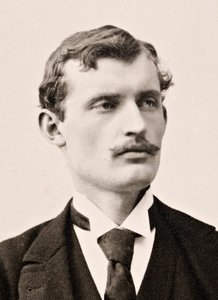
1863 - 1944 , Švedija


Sekite naujausias meno naujienas, išskirtinius pasiūlymus ir dekoravimo idėjas.
Pasakokite mums apie savo projektą, o mūsų meno ekspertai parengs jums 3 asmeniškus meno pasiūlymus.
Leiskite mums parinkti 3 variantus būtent jums – nemokamai!


 Peržiūrėti realybėje
 Pasidalinti
 Dalintis
 Išsamiau

 Atsisiųsti
 Panašūs eksponatai
 Rentgeno nuotrauka
 Automatinė diorama
 Skaityti daugiau


