x


 Preview
 Užsisakyti kopiją Pirkti skaitmeninį paveikslą
 Pasidalinti
 Išsamiau
 Pridėti į mėgstamiausius
 Atsisiųsti
 Panašūs eksponatai
 Rentgeno nuotrauka
 Automatinė diorama
Muziejų lygio „giclée“ arba drobos spausdinimas: greita gamyba ir lankstios apdailos parinktys.





























Pasirinkite iš mūsų nustatytų dydžių, atitinkančių originalaus meno kūrinio proporcijas.

Galite nurodyti savo matmenis, kad vaizdas atitiktų konkretų rėmą ar erdvę. Jei pasirinktas dydis nesutaps su originalaus paveikslėlio proporcijomis, mes arba apkirpsime kūrinį, arba išplėsime vaizdą naudojant veideliu atspindėtą arba vientisą šoną. Skaitmeninis maketas bus išsiųstas jums patvirtinti prieš pradedant gamybą.
Atkreipkite dėmesį, kad ekrane matomas vaizdinys neatspindi tikrojo apkirpimo ar išplėtimo. Tik maketas tiksliai parodytų galutinę kompoziciją.
Nors galima rinktis ir individualius dydžius, rekomenduojame pasirinkti vieną iš išanksti nustatytų matmenų, kad būtų išlaikytos originalios proporcijos.
Pristatymas visame pasaulyje () per 2 weeks, o ne įprastas 4/5 savaičių laikotarpis. (27 liepa)


untitled (9356)
Reprodukcijos matmenys
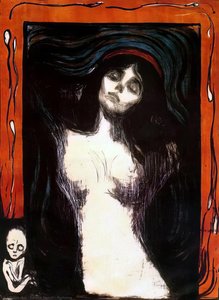
Edvard Munch's "Untitled (9356)" presents a deceptively simple scene – a harbor bathed in light, boats gently bobbing in the water, and figures engaged in quiet activity. Yet, beneath this picturesque surface lies a profound meditation on anxiety, loss, and the precariousness of human experience, hallmarks of Munch’s distinctive artistic vision. This painting, created during a period of intense personal struggle for the artist, embodies the emotional weight he carried, offering viewers a glimpse into his deeply felt world.
To fully appreciate “Untitled (9356),” it’s crucial to understand Munch's life and the profound influences that shaped his art. Born in 1863 in Adelsbruk, Sweden, Munch experienced a childhood marked by tragedy – the early deaths of his mother and sister from tuberculosis cast a long shadow over his artistic development. This personal grief fueled a lifelong preoccupation with themes of mortality, illness, and psychological distress, anxieties that resonated deeply within the broader cultural context of late 19th-century Europe, a period grappling with rapid industrialization, social upheaval, and burgeoning interest in psychology.
Munch’s work aligns with the Symbolist movement, which rejected realism in favor of exploring subjective emotions and spiritual ideas. However, unlike many Symbolists, Munch didn't rely on mythological or literary references; his symbolism stemmed directly from his own intensely personal experiences and psychological insights. The harbor scene, therefore, becomes a metaphor for the turbulent waters of the human psyche.
The painting’s color choices are particularly significant. The dominant use of blues and greens evokes feelings of melancholy and isolation, while flashes of red – often associated with danger or passion – introduce an element of unease. The boats themselves can be interpreted as fragile vessels adrift in a sea of uncertainty, mirroring the vulnerability of human existence. The figures present, though seemingly engaged in everyday activities, are rendered with a sense of detachment, further emphasizing the theme of alienation and emotional distance.
"Untitled (9356)" is more than just a beautiful harbor scene; it's a powerful testament to Munch’s ability to translate personal anguish into universal themes of human suffering and resilience. Its enduring appeal lies in its raw emotional honesty and its exploration of the darker aspects of the human condition. As a hand-painted reproduction, this artwork offers an opportunity to experience the full force of Munch’s artistic vision – a poignant reminder of his legacy as one of the most influential and emotionally resonant artists of the 20th century.

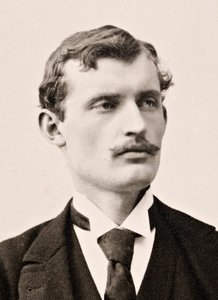
1863 - 1944 , Švedija

Atraskite 25 įspūdingiausius Edvard Munch šedevrus! Išsami informacija apie aliejaus tapybą, ekspresionizmą ir jo paveikslų istoriją. Meno reprodukcijos interjerui – Most-Famous-Paintings.com

Explore the profound world of Edvard Munch, pioneer of Expressionism. Discover the origins of 'The Scream' & his haunting depictions of anxiety, mortality, and love. Expert analysis & high-quality reproductions at Most-Famous-Paintings.
Atraskite ekspresionizmo šedevrus! 10 įtakingiausių meno kūrinių, atskleisiančių Muncho, Kirchnerio ir kitų meistrų emocijas. Išmokite apie tapybos stilius bei spalvų paletę. Aukščiausios kokybės dailės reprodukcijos jūsų namams – Most-Famous-Paintings.com.

Explore the history of serene landscapes in art! Discover renowned artists like Monet & Munch, movements from Impressionism to Tonalism, and find the perfect piece to bring tranquility to your home. Expert insights at Most-Famous-Paintings.

Explore the evolution of cityscape painting from Realism to contemporary art with Most-Famous-Paintings. Discover key artists & invest in timeless urban visions. Expert guidance, museum-quality reproductions.


Sekite naujausias meno naujienas, išskirtinius pasiūlymus ir dekoravimo idėjas.
Pasakokite mums apie savo projektą, o mūsų meno ekspertai parengs jums 3 asmeniškus meno pasiūlymus.
Leiskite mums parinkti 3 variantus būtent jums – nemokamai!


 Dalintis


 Skaityti daugiau







 Stiklo variantas prieinamas tik pasirinkus dydį iki 110 cm