x


Muziejų lygio „giclée“ arba drobos spausdinimas: greita gamyba ir lankstios apdailos parinktys. ( Perejti prie rankinio darbo paveikslėlio Perjungti į vaizdą)





























Pasirinkite iš mūsų nustatytų dydžių, atitinkančių originalaus meno kūrinio proporcijas.

Galite nurodyti savo matmenis, kad vaizdas atitiktų konkretų rėmą ar erdvę. Jei pasirinktas dydis nesutaps su originalaus paveikslėlio proporcijomis, mes arba apkirpsime kūrinį, arba išplėsime vaizdą naudojant veideliu atspindėtą arba vientisą šoną. Skaitmeninis maketas bus išsiųstas jums patvirtinti prieš pradedant gamybą.
Atkreipkite dėmesį, kad ekrane matomas vaizdinys neatspindi tikrojo apkirpimo ar išplėtimo. Tik maketas tiksliai parodytų galutinę kompoziciją.
Nors galima rinktis ir individualius dydžius, rekomenduojame pasirinkti vieną iš išanksti nustatytų matmenų, kad būtų išlaikytos originalios proporcijos.
Pristatymas visame pasaulyje () per 2 weeks, o ne įprastas 4/5 savaičių laikotarpis. (31 liepa)


urisprudencia
Reprodukcijos matmenys
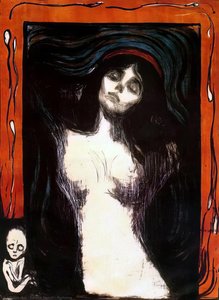
Edvard Munch's "Jurisprudence," painted in 1887, isn’t merely a depiction of three men engaged in conversation; it’s a profound exploration of the human psyche, a raw and unsettling glimpse into the anxieties that defined the artist’s world. Residing within the National Gallery of Oslo, this oil-on-canvas work stands as a cornerstone of Munch's Expressionist style – a movement he largely pioneered, driven by his intensely personal vision of emotional truth rather than objective representation.
The scene unfolds within what appears to be a dimly lit study or perhaps a law office. Three figures dominate the composition: a central man with an open mouth and wide eyes, radiating a palpable sense of shock or revelation; a second figure seated beside him, equally absorbed in the moment; and a third, positioned slightly to the left, seemingly observing the unfolding drama. The lighting is dramatically focused, emanating from a single lamp on the table, casting sharp shadows that heighten the scene’s intensity and create an atmosphere of claustrophobia. The figures are rendered with visible brushstrokes – not smooth or polished, but deliberately textured, conveying a sense of urgency and emotional turmoil.
Munch's artistic journey was deeply shaped by personal tragedy and a profound sensitivity to the darker aspects of human existence. Following the early deaths of his mother and sister from tuberculosis, Munch grappled with themes of illness, mortality, and psychological distress throughout his career. “Jurisprudence” exemplifies this preoccupation; it’s not a portrait in the traditional sense but rather an attempt to externalize an internal state – a moment of intense contemplation or perhaps even confrontation.
The painting aligns perfectly with the tenets of Expressionism, a movement that sought to convey subjective emotions and experiences through distorted forms, exaggerated colors, and jarring compositions. Unlike Impressionists who focused on capturing fleeting moments of light and color, Munch aimed to reveal the underlying emotional currents driving his subjects’ actions and expressions. He wasn't interested in depicting reality as it appeared; he was striving to depict how it *felt*.
The details within "Jurisprudence" are laden with symbolic weight. The scattered papers on the table, bearing legal documents or perhaps philosophical treatises, suggest a discussion of law, justice, or even morality – themes that resonate deeply with the central figure’s expression of shock. The single lamp, acting as both a source of illumination and a potential symbol of judgment, casts an unsettling glow upon the scene. The shadows enveloping the third figure hint at isolation, uncertainty, and perhaps a sense of being excluded from the conversation.
Munch himself described his artistic process as “soul painting,” emphasizing the importance of conveying inner emotions rather than external appearances. In "Jurisprudence," he masterfully achieves this goal, creating an image that is both visually arresting and emotionally resonant – a powerful testament to the artist’s ability to translate personal anguish into universal themes.
"Jurisprudence" continues to captivate viewers with its raw emotional honesty. It's a painting that invites contemplation, prompting us to consider the complexities of human interaction, the weight of responsibility, and the ever-present anxieties that shape our lives. More than just a historical artwork, it’s a poignant reminder of Munch’s enduring legacy as one of the most influential and emotionally astute artists of the modern era – an artist who dared to confront the darkest corners of the human soul and transform them into works of profound beauty and unsettling power.

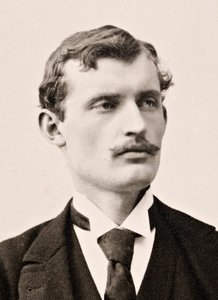
1863 - 1944 , Švedija

Transform your cherished travel photos into timeless oil paintings with expert artists at Most-Famous-Paintings.com. Museum-quality reproductions & custom portraits – preserve your memories beautifully.
Explore the powerful world of Expressionism with Most-Famous-Paintings. Discover key artists like Kirchner & Nolde, understand its emotional impact, and learn about this revolutionary art movement's lasting legacy. Handmade oil paintings available.

Commission breathtaking bespoke fantasy art with skilled oil painters. Explore techniques, artist selection & preservation tips. Invest in a unique masterpiece today!

Journey through art history with our guide to 10 legendary oil on canvas masterpieces! Explore iconic works by Van Gogh, Monet & Rembrandt. Find museum-quality reproductions and elevate your home decor at . Discover all masterpieces online.

Explore the life & art of Mark Gertler, a key figure in British Vorticism. Discover his poignant portraits, Bloomsbury connections, and enduring legacy. Expert analysis & high-quality reproductions at Most-Famous-Paintings.


Sekite naujausias meno naujienas, išskirtinius pasiūlymus ir dekoravimo idėjas.
Pasakokite mums apie savo projektą, o mūsų meno ekspertai parengs jums 3 asmeniškus meno pasiūlymus.
Leiskite mums parinkti 3 variantus būtent jums – nemokamai!


 Peržiūrėti realybėje
 Pasidalinti
 Dalintis
 Išsamiau

 Atsisiųsti
 Panašūs eksponatai
 Rentgeno nuotrauka
 Automatinė diorama

 Skaityti daugiau







 Stiklo variantas prieinamas tik pasirinkus dydį iki 110 cm