x

Muziejų lygio „giclée“ arba drobos spausdinimas: greita gamyba ir lankstios apdailos parinktys. ( Pirkti rankomis tapytą paveikslą Pirkti vaizdą)





























Pasirinkite iš mūsų nustatytų dydžių, atitinkančių originalaus meno kūrinio proporcijas.

Galite nurodyti savo matmenis, kad vaizdas atitiktų konkretų rėmą ar erdvę. Jei pasirinktas dydis nesutaps su originalaus paveikslėlio proporcijomis, mes arba apkirpsime kūrinį, arba išplėsime vaizdą naudojant veideliu atspindėtą arba vientisą šoną. Skaitmeninis maketas bus išsiųstas jums patvirtinti prieš pradedant gamybą.
Atkreipkite dėmesį, kad ekrane matomas vaizdinys neatspindi tikrojo apkirpimo ar išplėtimo. Tik maketas tiksliai parodytų galutinę kompoziciją.
Nors galima rinktis ir individualius dydžius, rekomenduojame pasirinkti vieną iš išanksti nustatytų matmenų, kad būtų išlaikytos originalios proporcijos.
Pristatymas visame pasaulyje () per 2 weeks, o ne įprastas 4/5 savaičių laikotarpis. (20 rugpjūtis)


Approaching the City
Reprodukcijos matmenys
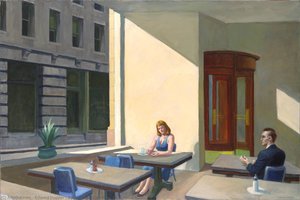
Edward Hopper’s “Approaching the City” is more than just a depiction of a New York street; it’s a distilled essence of 20th-century American experience – a poignant meditation on solitude, urban alienation, and the fleeting moments of connection within a vast, impersonal landscape. Painted in 1931, this work exemplifies Hopper's signature style: meticulously rendered realism imbued with an undercurrent of melancholy that continues to resonate deeply with viewers today. The scene unfolds with a quiet drama – a train emerging from a tunnel beneath a bustling city street, its arrival momentarily disrupting the stillness of the surrounding figures. It’s a tableau frozen in time, capturing a specific moment of transition and hinting at the countless untold stories contained within the urban sprawl.
“Approaching the City” is rich in symbolic meaning, reflecting Hopper’s broader concerns about the changing nature of American life during this period. The train itself represents progress, movement, and perhaps even hope – yet it also isolates the passengers within its confines. The figures on the street, seemingly oblivious to each other, embody a sense of detachment and anonymity characteristic of modern urban existence. The fire hydrant, a mundane object, adds another layer of complexity, suggesting both vulnerability and the potential for disruption. Hopper’s choice of subject matter – a busy city street – is particularly significant given the rapid urbanization sweeping across America in the early 20th century.
Created during the interwar years, “Approaching the City” reflects the anxieties and uncertainties of a nation grappling with economic depression and social change. Hopper’s work aligns with the broader artistic movement of Realism, but he transcends mere representation, imbuing his paintings with a profound psychological depth. His influence extends far beyond the realm of painting; he has become synonymous with American modernism and continues to inspire artists and designers today. The painting's enduring appeal lies in its ability to tap into universal themes of loneliness, displacement, and the search for meaning – emotions that remain powerfully relevant in our own time.


1931 - 1967 , JAV

Explore the raw, evocative beauty of the Ashcan School. Discover how masters like Bellows and Glackens captured New York's urban soul through American Realism, and learn to bring this gritty, historical elegance into your modern art collection.


Sekite naujausias meno naujienas, išskirtinius pasiūlymus ir dekoravimo idėjas.
Pasakokite mums apie savo projektą, o mūsų meno ekspertai parengs jums 3 asmeniškus meno pasiūlymus.
Leiskite mums parinkti 3 variantus būtent jums – nemokamai!


 Peržiūrėti realybėje
 Pasidalinti
 Dalintis
 Išsamiau

 Atsisiųsti
 Panašūs eksponatai
 Rentgeno nuotrauka
 Automatinė diorama

 Skaityti daugiau







 Stiklo variantas prieinamas tik pasirinkus dydį iki 110 cm