x

 Oil On CanvasWallArtContemporary Realism
 1902Modern
 25.0 x 30.0 cm
Muziejų lygio „giclée“ arba drobos spausdinimas: greita gamyba ir lankstios apdailos parinktys. ( Pirkti rankomis tapytą paveikslą Pirkti vaizdą)





























Pasirinkite iš mūsų nustatytų dydžių, atitinkančių originalaus meno kūrinio proporcijas.

Galite nurodyti savo matmenis, kad vaizdas atitiktų konkretų rėmą ar erdvę. Jei pasirinktas dydis nesutaps su originalaus paveikslėlio proporcijomis, mes arba apkirpsime kūrinį, arba išplėsime vaizdą naudojant veideliu atspindėtą arba vientisą šoną. Skaitmeninis maketas bus išsiųstas jums patvirtinti prieš pradedant gamybą.
Atkreipkite dėmesį, kad ekrane matomas vaizdinys neatspindi tikrojo apkirpimo ar išplėtimo. Tik maketas tiksliai parodytų galutinę kompoziciją.
Nors galima rinktis ir individualius dydžius, rekomenduojame pasirinkti vieną iš išanksti nustatytų matmenų, kad būtų išlaikytos originalios proporcijos.
Pristatymas visame pasaulyje () per 2 weeks, o ne įprastas 4/5 savaičių laikotarpis. (19 rugpjūtis)


Model sitting
Reprodukcijos matmenys
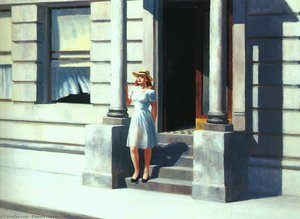
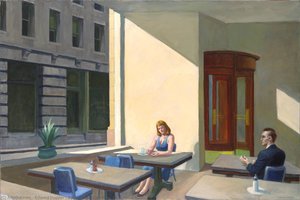
In the quiet corners of art history, few moments capture the profound weight of solitude as masterfully as Edward Hopper’s 1902 work, "Model Sitting." Long before he became the definitive chronicler of American urban alienation, a young Hopper was already experimenting with the delicate interplay of light and human presence. This intimate canvas, measuring a modest 25 x 30 cm, invites the viewer into a private, almost voyeuristic moment. A woman sits alone on a bench, her attention turned inward as she adjusts the back of her dress—a gesture that feels both mundane and deeply personal. The scene is bathed in a diffused, soft light that seems to suspend time itself, casting gentle shadows that hint at an interior world filled with reflection, perhaps aided by the presence of a mirror that serves as a silent witness to her private ritual.
The composition is far from empty; Hopper subtly weaves other figures into the periphery, including a man on the left and another figure seated nearby. Yet, these characters remain shrouded in a sense of detachment. Their faces are obscured, rendering them less like specific individuals and perhaps more like ghosts of the background, emphasizing the central subject's isolation. This deliberate lack of direct interaction between the figures creates a psychological tension—a feeling that while bodies may occupy the same physical space, their internal worlds remain entirely separate and unreachable.
Technically, "Model Sitting" serves as an exquisite example of the New Realism movement. Moving away from the fleeting, blurred impressions of his contemporaries, Hopper embraced a more disciplined approach to observation. He sought to capture the tangible, heavy reality of objects and the true weight of fabric. Through his masterful use of oil on canvas, he employs a muted, sophisticated palette dominated by earthy browns, creamy tones, and pale yellows. This restrained color scheme does not merely decorate the scene; it builds an atmosphere of subdued stillness and contemplative melancholy.
The brushwork is smooth and intentional, lending a sense of solidity to the wooden bench and the heavy folds of the woman's clothing. For the discerning collector or interior designer, this technique offers a remarkable depth that transcends simple reproduction. The way Hopper manipulates light to define form creates a three-dimensional quality that breathes life into the canvas. It is a painting that does not shout for attention but rather commands it through its quiet, unwavering accuracy and its ability to make the ordinary feel monumental.
For those looking to curate a space of reflection and sophistication, "Model Sitting" offers more than just aesthetic beauty; it provides an emotional anchor. The painting’s themes of privacy, introspection, and the quiet dignity of the individual resonate deeply within the modern home. It is a piece that invites long periods of contemplation, making it an ideal centerpiece for a study, a library, or a serene bedroom sanctuary.
Whether you are an art historian drawn to its early stylistic significance or a decorator seeking to introduce a sense of calm and historical weight into a contemporary room, this work stands as a testament to the power of the understated. Owning a high-quality reproduction of such a pivotal moment in Hopper’s career allows one to bring a fragment of American modernism's soul into their personal environment—a permanent window into a world of beautiful, silent grace.


1931 - 1967 , JAV

Explore the raw realism of Neue Sachlichkeit. Discover how German New Objectivity artists like Otto Dix and George Grosz captured the turbulent Weimar Republic through unflinching social critique and precise detail. A definitive guide for art historians and collectors.

Explore the raw, evocative beauty of the Ashcan School. Discover how masters like Bellows and Glackens captured New York's urban soul through American Realism, and learn to bring this gritty, historical elegance into your modern art collection.


Sekite naujausias meno naujienas, išskirtinius pasiūlymus ir dekoravimo idėjas.
Pasakokite mums apie savo projektą, o mūsų meno ekspertai parengs jums 3 asmeniškus meno pasiūlymus.
Leiskite mums parinkti 3 variantus būtent jums – nemokamai!


 Peržiūrėti realybėje
 Pasidalinti
 Dalintis
 Išsamiau

 Atsisiųsti
 Panašūs eksponatai
 Rentgeno nuotrauka
 Automatinė diorama
 Skaityti daugiau







 Stiklo variantas prieinamas tik pasirinkus dydį iki 110 cm