x

Rankiniu būdu tapytas aliejus ant droblio jūsų pageidaujamame dydį ir rėmuose – mūsų menininkų darbas pagal užsakymą. ( Pirkti spaudinį Pirkti vaizdą)





























Pasirinkite iš mūsų nustatytų dydžių, atitinkančių originalaus meno kūrinio proporcijas.

Galite įvesti savo matmenis, kad jie atitiktų konkretų rėmą ar erdvę. Jei pasirinktas dydis neatitinka originalaus paveikslėlio proporcijų, mes arba apkropsime meno kūrinį, arba papildysime tapybą rankomis dažytい elementais. Prieš pradėdami gamybą, jūsų patvirtinimui atsiųsime skaitmeninį maketą.
Atkreipkite dėmesį, kad ekrane rodomas vaizdas neatspindi tikrojo apkarpymo ar papildymo. Tik maketas tiksliai parodys galutinę kompoziciją.
Nors galima rinktis ir individualius dydžius, rekomenduojame pasirinkti matmenis iš nustatytos sąrašo, kad būtų išlaikytos originalios proporcijos.
Pristatymas visame pasaulyje () per 3–4 savaites, o ne įprastai – per 5 savaites. (14 rugpjūtis). Kokybė lieka nepakeičiama.


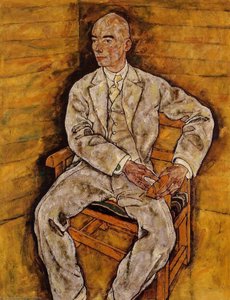
Fighter
Reprodukcijos matmenys
Egon Schiele’s “Fighter,” painted in 1913, is not merely a depiction of a man throwing a punch; it’s a visceral exploration of the human condition rendered with the unflinching intensity characteristic of Schiele's expressionist style. This work, created during a period of immense personal and artistic turmoil for the artist, embodies his fascination with vulnerability, mortality, and the struggle for control – themes that would become central to his oeuvre. The painting’s power resides in its brutal honesty, a quality amplified by Schiele’s signature technique: bold, gestural brushstrokes applied with a furious energy that seems to vibrate off the canvas. The distorted musculature of the figure, the strained posture, and the almost violent extension of the arm all contribute to an overwhelming sense of impending impact, capturing a moment suspended between preparation and release.
Schiele's approach to depicting the human form was revolutionary for his time. Rejecting the idealized representations favored by many of his contemporaries, he embraced a deliberately unsettling realism, often exaggerating anatomical features to heighten emotional effect. In “Fighter,” this is evident in the elongated limbs and the almost skeletal quality of the figure’s body. The use of muted earth tones – browns, ochres, and greys – further emphasizes the painting's somber mood, creating a sense of claustrophobia and impending doom. His technique involved layering thin washes of paint, building up texture through repeated applications of brushstrokes, resulting in a surface that is both rough and intensely expressive. This deliberate roughness mirrors the emotional intensity he sought to convey.
"Fighter" was created at a pivotal moment in European history – 1913, a year marked by rising political tensions and anxieties surrounding World War I. Schiele’s personal life mirrored this instability; plagued by illness, loss, and the looming threat of conflict, he channeled his fears and uncertainties into his art. The painting can be interpreted as a reflection of these broader societal concerns – a visual representation of the fragility of human existence in the face of overwhelming forces. Schiele's work aligns with the Expressionist movement’s rejection of objective reality in favor of subjective emotional experience, anticipating many of the key tenets that would define the movement.
The inclusion of the cup held by the figure adds another layer of complexity to the painting's symbolism. It could represent a fleeting moment of solace or perhaps an attempt to control the chaos within, mirroring the inherent human desire for order amidst turmoil. The act of throwing the punch itself is not simply a physical gesture; it’s a symbolic confrontation with one's own demons, a desperate assertion of agency in a world that increasingly felt beyond one's control. The overall effect is profoundly unsettling and deeply moving, inviting viewers to confront uncomfortable truths about human nature.

Austrijos pozicija dviejų pasaulinio karo horizonte buvo labai abejojanti: vienu metu ji buvo šiek tiek iš Šiaurės į rytus, lengvai įsitikinusi veiksmų vyrai. Mažėjęs šalis po 1918 m., beveik visiškai neišplitusi tarptautiniu pasauliu buvo lengvai įvykdinta Hitlerio Reichui 1938 m.; meno srityje tai reiškė kad modernizmo istorija buvo išvykstanti nuo Šiaurės iki pietų, su pagrindiniu dėmesiu į formą. Vokelių šiek tiek pripažino ekspresionizmą kaip svarbų meno srovę; jis buvo vienas iš žymiausius austrių artistas XX amžiaus pradžioje – kartu su Gustavu Klimtu ir Oskar Kokoschka išvykę į Vieną buvo laikomas vienu iš Žyduvo šimtmečio svarbiausių vizualinių menininkų.
Egonas Šylė gimė 1890 m. vasario 3 d. Tulne, Austrijoje. Jo tėvas Adolfas Šylė buvo Tulno geležinkelio stoties direktorius ir gimė 1851 m. Vienoje Adolfo Šyly tevai turėjo tris jaunesnes seseris: Elvirą, Melaniją ir Gertrūdą. Elvira mirė vaikyste dėl gimtinių sifiliso. Jo tėvas buvo užsikrėtęs sifiliu įsimėlynėje savo jaunystės metais po vienos jo naujosios žmonos išėjimo iš kambario.
Šylė mokytojo Christian Griepenkerl įtaką išgyveno Vienoje 1907 m. ir G. Klimtas tapo jo svarbiu rėmėju. Šylė paliko akademiją 1906 m., nes jos mokymo metodai buvo labai konservatyvus, ir įkūrė Naują austrių dailės grupę 1909 m. Grupėje vyravo ekspresionistinė estetika, kuri iššūkiant šiuolaikinėms kultūros normas.
Šylė buvo vienas iš žymiausius austrių artistas XX amžiaus pradžioje – kartu su Gustavu Klimtu ir Oskar Kokoschka išvykę į Vieną buvo laikomas vienu iš Žyduvo šimtmečio svarbiausių vizualinių menininkų. Šylė buvo ekspresionizmo meno srovės atstovas.
Šylė buvo žinomas dėl savo iššūkiantį įžiūrą į pasaulio problemas ir šiuolaikinę estetika, kuri iššūkiant šiuolaikinėms kultūros normas. Šylė buvo ekspresionizmo meno srovės atstovas.
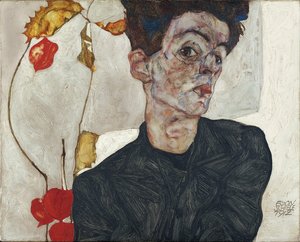
1890 - 1918 , Austrija

Explore the profound history and technical mastery of woodcut relief printing. From ancient origins to German Expressionism, discover how artists use the subtractive process to create iconic works. A definitive guide for art students, collectors, and historians.

Discover the technical mastery behind Most-Famous-Paintings.com's premium Giclée canvas prints. Our guide for elite collectors explores archival pigment inks, museum-grade substrates, and the science of high-fidelity reproduction to ensure lasting beauty and historical accuracy.

Explore the profound emotional depth of Expressionist portraiture. From Edvard Munch to Francis Bacon, discover how masters used distortion and color to reveal inner truths. Learn about this pivotal movement and find museum-quality oil reproductions for your collection.

Discover the science behind museum-quality Giclée prints. Learn how archival pigment inks, 12-color precision, and museum-grade substrates create high-fidelity art reproductions designed to preserve the soul of historical masterpieces for generations.


Sekite naujausias meno naujienas, išskirtinius pasiūlymus ir dekoravimo idėjas.
Pasakokite mums apie savo projektą, o mūsų meno ekspertai parengs jums 3 asmeniškus meno pasiūlymus.
Leiskite mums parinkti 3 variantus būtent jums – nemokamai!


 Peržiūrėti realybėje
 Pasidalinti
 Dalintis
 Išsamiau

 Atsisiųsti
 Panašūs eksponatai
 Rentgeno nuotrauka
 Automatinė diorama

 Skaityti daugiau







 Stiklo variantas prieinamas tik pasirinkus dydį iki 110 cm