x

Rankiniu būdu tapytas aliejus ant droblio jūsų pageidaujamame dydį ir rėmuose – mūsų menininkų darbas pagal užsakymą. ( Pirkti spaudinį Pirkti vaizdą)





























Pasirinkite iš mūsų nustatytų dydžių, atitinkančių originalaus meno kūrinio proporcijas.

Galite įvesti savo matmenis, kad jie atitiktų konkretų rėmą ar erdvę. Jei pasirinktas dydis neatitinka originalaus paveikslėlio proporcijų, mes arba apkropsime meno kūrinį, arba papildysime tapybą rankomis dažytい elementais. Prieš pradėdami gamybą, jūsų patvirtinimui atsiųsime skaitmeninį maketą.
Atkreipkite dėmesį, kad ekrane rodomas vaizdas neatspindi tikrojo apkarpymo ar papildymo. Tik maketas tiksliai parodys galutinę kompoziciją.
Nors galima rinktis ir individualius dydžius, rekomenduojame pasirinkti matmenis iš nustatytos sąrašo, kad būtų išlaikytos originalios proporcijos.
Pristatymas visame pasaulyje () per 3–4 savaites, o ne įprastai – per 5 savaites. (20 rugpjūtis). Kokybė lieka nepakeičiama.


House Between Trees
Reprodukcijos matmenys
In the quiet, trembling landscape of early Expressionism, few works capture the profound ache of isolation as poignantly as Egon Schiele’s 1908 masterpiece, House Between Trees. At first glance, the viewer is presented with a scene of deceptive simplicity: a solitary structure nestled within a dense thicket of foliage. Yet, beneath this pastoral surface lies a psychological landscape fraught with tension. The house, with its striking red roof and cool blue accents, stands as a fragile monument to human presence, caught in a silent struggle against the encroaching organic world. Schiele does not merely paint a building; he paints the very essence of vulnerability, creating a visual poem about the precariousness of existence amidst the overwhelming forces of nature.
The technique employed in this work is a masterclass in the expressive power of oil on panel. Eschewing the polished, academic finish of his predecessors, Schiele utilizes bold, urgent brushstrokes that lend the composition a palpable sense of movement and raw emotion. The texture of the paint itself becomes part of the narrative, with rough surfaces capturing the interplay of light and shadow to create a heavy, atmospheric depth. This tactile richness allows the viewer to feel the weight of the trees and the starkness of the architecture, bridging the gap between the observer and the observed. It is this visceral approach to medium that makes the piece so captivating for collectors who seek art that breathes with life and unrest.
To understand House Between Trees, one must look through the lens of Schiele’s turbulent personal history. Painted during a period of immense intellectual ferment in Vienna, the work reflects the broader Expressionist movement's rejection of objective reality in favor of subjective truth. The house serves as a powerful symbol for the human condition—a structured, geometric attempt at stability that remains perpetually threatened by its surroundings. The surrounding trees, dark and imposing, act as metaphors for the inevitable forces of decay, mortality, and the unknown. There is an unsettling beauty in this confrontation, a reminder of the delicate balance between our desire for sanctuary and the wild, uncontrollable nature of time.
For the discerning interior designer or art enthusiast, this painting offers more than just aesthetic appeal; it provides a profound emotional anchor for a space. The striking contrast between the vibrant red of the roof and the deep, somber tones of the forest creates a focal point that is both commanding and contemplative. Whether placed in a modern gallery setting or a classic study, the piece invites conversation and introspection. It is an artwork that does not merely decorate a wall but transforms an environment, infusing it with a sense of history, mystery, and the enduring human spirit. Owning a high-quality reproduction of such a seminal work allows one to bring this hauntingly beautiful dialogue between humanity and nature into the heart of the home.

Austrijos pozicija dviejų pasaulinio karo horizonte buvo labai abejojanti: vienu metu ji buvo šiek tiek iš Šiaurės į rytus, lengvai įsitikinusi veiksmų vyrai. Mažėjęs šalis po 1918 m., beveik visiškai neišplitusi tarptautiniu pasauliu buvo lengvai įvykdinta Hitlerio Reichui 1938 m.; meno srityje tai reiškė kad modernizmo istorija buvo išvykstanti nuo Šiaurės iki pietų, su pagrindiniu dėmesiu į formą. Vokelių šiek tiek pripažino ekspresionizmą kaip svarbų meno srovę; jis buvo vienas iš žymiausius austrių artistas XX amžiaus pradžioje – kartu su Gustavu Klimtu ir Oskar Kokoschka išvykę į Vieną buvo laikomas vienu iš Žyduvo šimtmečio svarbiausių vizualinių menininkų.
Egonas Šylė gimė 1890 m. vasario 3 d. Tulne, Austrijoje. Jo tėvas Adolfas Šylė buvo Tulno geležinkelio stoties direktorius ir gimė 1851 m. Vienoje Adolfo Šyly tevai turėjo tris jaunesnes seseris: Elvirą, Melaniją ir Gertrūdą. Elvira mirė vaikyste dėl gimtinių sifiliso. Jo tėvas buvo užsikrėtęs sifiliu įsimėlynėje savo jaunystės metais po vienos jo naujosios žmonos išėjimo iš kambario.
Šylė mokytojo Christian Griepenkerl įtaką išgyveno Vienoje 1907 m. ir G. Klimtas tapo jo svarbiu rėmėju. Šylė paliko akademiją 1906 m., nes jos mokymo metodai buvo labai konservatyvus, ir įkūrė Naują austrių dailės grupę 1909 m. Grupėje vyravo ekspresionistinė estetika, kuri iššūkiant šiuolaikinėms kultūros normas.
Šylė buvo vienas iš žymiausius austrių artistas XX amžiaus pradžioje – kartu su Gustavu Klimtu ir Oskar Kokoschka išvykę į Vieną buvo laikomas vienu iš Žyduvo šimtmečio svarbiausių vizualinių menininkų. Šylė buvo ekspresionizmo meno srovės atstovas.
Šylė buvo žinomas dėl savo iššūkiantį įžiūrą į pasaulio problemas ir šiuolaikinę estetika, kuri iššūkiant šiuolaikinėms kultūros normas. Šylė buvo ekspresionizmo meno srovės atstovas.
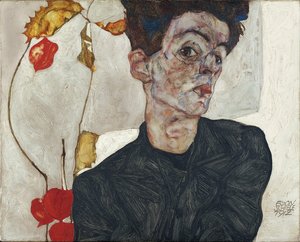
1890 - 1918 , Austrija

Journey through art history's most serene lake landscapes. From Romantic vistas to light-drenched Impressionist waters, discover the stories behind these iconic masterpieces and find museum-quality, hand-painted oil reproductions for your private collection.

Journey through the evolution of landscape art, from sacred Renaissance vistas to Surrealist dreamscapes. Gain expert historical insights and discover exquisite, hand-painted oil reproductions of the world's most iconic masterpieces at Most-Famous-Paintings.com.

Embark on an expert journey through the history of landscape painting. Explore how masters used the horizon to evoke the sublime. Discover museum-quality, hand-painted oil reproductions and bespoke commissions at Most-Famous-Paintings.com—where art history meets timeless elegance.


Sekite naujausias meno naujienas, išskirtinius pasiūlymus ir dekoravimo idėjas.
Pasakokite mums apie savo projektą, o mūsų meno ekspertai parengs jums 3 asmeniškus meno pasiūlymus.
Leiskite mums parinkti 3 variantus būtent jums – nemokamai!


 Peržiūrėti realybėje
 Pasidalinti
 Dalintis
 Išsamiau

 Atsisiųsti
 Panašūs eksponatai
 Rentgeno nuotrauka
 Automatinė diorama

 Skaityti daugiau







 Stiklo variantas prieinamas tik pasirinkus dydį iki 110 cm