x


 Pirkti atspaudą Pirkti skaitmeninį paveikslą
 Pasidalinti
 Išsamiau
 Pridėti į mėgstamiausius
 Atsisiųsti
 Panašūs eksponatai
 Rentgeno nuotrauka
 Automatinė diorama
 Acrylic On CanvasWallArtExpressionist Eroticism
 1915
1915 317.0 x 496.0 cm
 Leopold Museum
Rankiniu būdu tapytas aliejus ant droblio jūsų pageidaujamame dydį ir rėmuose – mūsų menininkų darbas pagal užsakymą.





























Pasirinkite iš mūsų nustatytų dydžių, atitinkančių originalaus meno kūrinio proporcijas.

Galite įvesti savo matmenis, kad jie atitiktų konkretų rėmą ar erdvę. Jei pasirinktas dydis neatitinka originalaus paveikslėlio proporcijų, mes arba apkropsime meno kūrinį, arba papildysime tapybą rankomis dažytい elementais. Prieš pradėdami gamybą, jūsų patvirtinimui atsiųsime skaitmeninį maketą.
Atkreipkite dėmesį, kad ekrane rodomas vaizdas neatspindi tikrojo apkarpymo ar papildymo. Tik maketas tiksliai parodys galutinę kompoziciją.
Nors galima rinktis ir individualius dydžius, rekomenduojame pasirinkti matmenis iš nustatytos sąrašo, kad būtų išlaikytos originalios proporcijos.
Pristatymas visame pasaulyje () per 3–4 savaites, o ne įprastai – per 5 savaites. (21 liepa). Kokybė lieka nepakeičiama.


Lovemaking
Reprodukcijos matmenys
Egon Schiele's "Lovemaking," painted in 1915, is not a celebration of romantic bliss; rather, it’s a brutally honest and profoundly unsettling exploration of human connection – a moment suspended between vulnerability and raw physicality. Measuring an imposing 317 x 496 cm, the painting immediately commands attention with its intensely focused composition and the almost palpable sense of urgency radiating from the central figures. It's a work that speaks volumes about Schiele’s unique artistic vision, deeply rooted in his personal experiences and anxieties, and offers a rare glimpse into the artist’s unflinching portrayal of the human condition.
The scene unfolds with stark realism, depicting two individuals locked in an embrace. The male figure dominates the composition, positioned on top of his partner, his body taut and muscular, conveying both strength and a certain vulnerability. His gaze is averted, suggesting a preoccupation with the act itself rather than any outward expression of affection. The woman’s posture is equally arresting – she lies passively beneath him, her face partially obscured, lending an air of quiet resignation to her pose. Schiele's masterful use of line creates a dynamic tension; sharp, angular strokes define the musculature and clothing, contrasting with the softer curves of the bodies intertwined. This deliberate juxtaposition amplifies the painting’s emotional intensity.
To understand “Lovemaking,” it's crucial to consider Schiele’s life during this period. 1915 was a year marked by immense personal tragedy – his sister, Elvira, died in childbirth, an event that deeply affected him and became a recurring motif in his work. The pervasive atmosphere of illness and death, exacerbated by the early loss of his father to syphilis, casts a long shadow over this painting. The presence of the three figures in the background—a silent audience or perhaps witnesses to this intimate encounter—adds another layer of complexity. They are deliberately indistinct, almost spectral, suggesting the fleeting nature of life and the inevitability of mortality. This isn’t simply a depiction of love; it's an acknowledgment of its fragility within the face of suffering.
Schiele was a key figure in the Expressionist movement, and “Lovemaking” exemplifies many of the stylistic hallmarks associated with this school. He employed a highly personal and subjective approach to representation, prioritizing emotional impact over realistic depiction. The painting’s palette is deliberately restrained – dominated by earthy tones of ochre, brown, and grey—further emphasizing the somber mood. However, Schiele utilizes subtle shifts in color and texture to create depth and drama. Notice how he builds up layers of paint to suggest form and volume, particularly in the rendering of the male figure’s torso. The use of impasto – thick application of paint – adds a tactile quality to the surface, inviting the viewer to engage with the work on a visceral level.
Beyond its immediate visual impact, “Lovemaking” is rich in symbolic meaning. The act of lovemaking itself can be interpreted as a desperate attempt to overcome mortality or find solace in connection. The averted gaze of the male figure suggests a withdrawal from emotional engagement, perhaps reflecting his own struggles with grief and loss. The woman’s passive posture could represent submission, vulnerability, or even a quiet acceptance of her fate. Schiele's genius lies in his ability to convey complex psychological states through seemingly simple imagery. “Lovemaking” is not merely a depiction of a physical encounter; it’s a profound meditation on the human experience – its joys, sorrows, and ultimately, its transience.
Most-Famous-Paintings offers meticulously crafted hand-painted reproductions of Egon Schiele's “Lovemaking,” ensuring that this powerfully evocative artwork can be enjoyed in any setting. Our skilled artisans faithfully recreate Schiele’s distinctive style, capturing the painting’s raw emotion and textural richness with exceptional detail. Whether you are a discerning art collector seeking an authentic piece for your collection or an interior designer looking to infuse a space with artistic intensity, our reproduction provides a stunning alternative to the original while preserving its historical significance and emotional resonance. Experience the unsettling beauty of “Lovemaking” – a timeless masterpiece brought to life.

Austrijos pozicija dviejų pasaulinio karo horizonte buvo labai abejojanti: vienu metu ji buvo šiek tiek iš Šiaurės į rytus, lengvai įsitikinusi veiksmų vyrai. Mažėjęs šalis po 1918 m., beveik visiškai neišplitusi tarptautiniu pasauliu buvo lengvai įvykdinta Hitlerio Reichui 1938 m.; meno srityje tai reiškė kad modernizmo istorija buvo išvykstanti nuo Šiaurės iki pietų, su pagrindiniu dėmesiu į formą. Vokelių šiek tiek pripažino ekspresionizmą kaip svarbų meno srovę; jis buvo vienas iš žymiausius austrių artistas XX amžiaus pradžioje – kartu su Gustavu Klimtu ir Oskar Kokoschka išvykę į Vieną buvo laikomas vienu iš Žyduvo šimtmečio svarbiausių vizualinių menininkų.
Egonas Šylė gimė 1890 m. vasario 3 d. Tulne, Austrijoje. Jo tėvas Adolfas Šylė buvo Tulno geležinkelio stoties direktorius ir gimė 1851 m. Vienoje Adolfo Šyly tevai turėjo tris jaunesnes seseris: Elvirą, Melaniją ir Gertrūdą. Elvira mirė vaikyste dėl gimtinių sifiliso. Jo tėvas buvo užsikrėtęs sifiliu įsimėlynėje savo jaunystės metais po vienos jo naujosios žmonos išėjimo iš kambario.
Šylė mokytojo Christian Griepenkerl įtaką išgyveno Vienoje 1907 m. ir G. Klimtas tapo jo svarbiu rėmėju. Šylė paliko akademiją 1906 m., nes jos mokymo metodai buvo labai konservatyvus, ir įkūrė Naują austrių dailės grupę 1909 m. Grupėje vyravo ekspresionistinė estetika, kuri iššūkiant šiuolaikinėms kultūros normas.
Šylė buvo vienas iš žymiausius austrių artistas XX amžiaus pradžioje – kartu su Gustavu Klimtu ir Oskar Kokoschka išvykę į Vieną buvo laikomas vienu iš Žyduvo šimtmečio svarbiausių vizualinių menininkų. Šylė buvo ekspresionizmo meno srovės atstovas.
Šylė buvo žinomas dėl savo iššūkiantį įžiūrą į pasaulio problemas ir šiuolaikinę estetika, kuri iššūkiant šiuolaikinėms kultūros normas. Šylė buvo ekspresionizmo meno srovės atstovas.
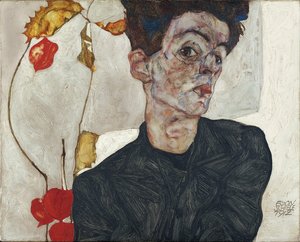
1890 - 1918 , Austrija
Atraskite 25 įspūdingiausius Egon Schiele šedevrus! Gilinkitės į ekspresionizmo pasaulį, portretų istorijas ir unikalią menininko spalvų paletę. Aukštos kokybės reprodukcijos interjerui – Most-Famous-Paintings.lt

Explore the emotionally charged world of Egon Schiele (1890-1918). Discover his Expressionist masterpieces, psychological themes, and lasting impact on modern art. A comprehensive guide for collectors & enthusiasts.
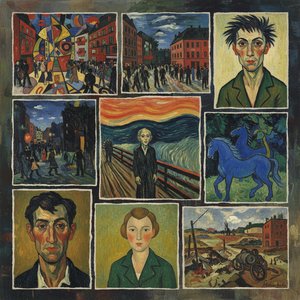
Explore 10 Expressionist paintings that revolutionized art! Discover Munch, Kirchner & Kandinsky's iconic works. Find museum-quality reproductions and vibrant canvas prints to elevate your home decor on Most-Famous-Paintings.com.
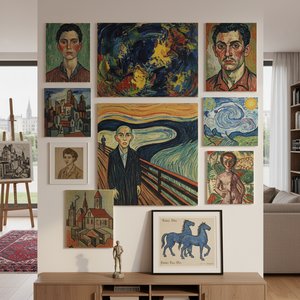
Atraskite ekspresionizmo šedevrus! 10 įtakingiausių meno kūrinių, atskleisiančių Muncho, Kirchnerio ir kitų meistrų emocijas. Išmokite apie tapybos stilius bei spalvų paletę. Aukščiausios kokybės dailės reprodukcijos jūsų namams – Most-Famous-Paintings.com.
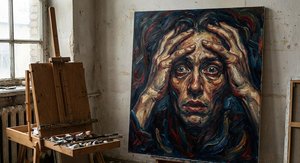
Explore the powerful world of Figurative Expressionism with Most-Famous-Paintings. Discover key artists like Kirchner & Beckmann, understand its emotional depth, and learn how to collect this influential 20th-century art movement.


Sekite naujausias meno naujienas, išskirtinius pasiūlymus ir dekoravimo idėjas.
Pasakokite mums apie savo projektą, o mūsų meno ekspertai parengs jums 3 asmeniškus meno pasiūlymus.
Leiskite mums parinkti 3 variantus būtent jums – nemokamai!


 Dalintis

 Skaityti daugiau







 Stiklo variantas prieinamas tik pasirinkus dydį iki 110 cm