x

Rankiniu būdu tapytas aliejus ant droblio jūsų pageidaujamame dydį ir rėmuose – mūsų menininkų darbas pagal užsakymą. ( Pirkti spaudinį Pirkti vaizdą)





























Pasirinkite iš mūsų nustatytų dydžių, atitinkančių originalaus meno kūrinio proporcijas.

Galite įvesti savo matmenis, kad jie atitiktų konkretų rėmą ar erdvę. Jei pasirinktas dydis neatitinka originalaus paveikslėlio proporcijų, mes arba apkropsime meno kūrinį, arba papildysime tapybą rankomis dažytい elementais. Prieš pradėdami gamybą, jūsų patvirtinimui atsiųsime skaitmeninį maketą.
Atkreipkite dėmesį, kad ekrane rodomas vaizdas neatspindi tikrojo apkarpymo ar papildymo. Tik maketas tiksliai parodys galutinę kompoziciją.
Nors galima rinktis ir individualius dydžius, rekomenduojame pasirinkti matmenis iš nustatytos sąrašo, kad būtų išlaikytos originalios proporcijos.
Pristatymas visame pasaulyje () per 3–4 savaites, o ne įprastai – per 5 savaites. (16 rugpjūtis). Kokybė lieka nepakeičiama.


untitled (2576)
Reprodukcijos matmenys
Egon Schiele's “Untitled (2576)” is not merely an image; it’s a visceral encounter. Rendered in stark contrasts of black, muted browns, and fleeting yellows, the artwork immediately commands attention with its unsettling intimacy. The two figures, locked in a passionate embrace, are presented as almost skeletal forms – elongated and devoid of detailed facial features beyond suggestion. This deliberate simplification isn't an absence of humanity, but rather a focused amplification of their emotional core, drawing us into a realm where physical form becomes secondary to the intensity of connection. The composition itself is deliberately claustrophobic, pushing the viewer uncomfortably close to this private moment, mirroring perhaps the artist’s own explorations of vulnerability and the weight of existence.
Schiele's work resides within a complex lineage, simultaneously rooted in the anxieties of Expressionism and subtly influenced by the decorative sensibilities of Art Nouveau. The elongated figures, reminiscent of stylized dancers or mythical beings, possess an inherent grace despite their almost skeletal appearance. This echoes the flowing drapery that envelops them, creating a sense of movement and fluidity—a characteristic often found in Art Nouveau designs. However, Schiele departs significantly from the ornamentalism of his predecessors, injecting a raw, unsettling energy into these forms. The bold lines, sharp angles, and deliberate lack of traditional perspective betray a rejection of academic conventions, prioritizing emotional impact over realistic representation. The influence of trains, a recurring motif in Schiele’s work, hints at themes of movement, speed, and perhaps even the fleeting nature of life – concepts deeply intertwined with his personal struggles.
The artwork's distinctive quality stems largely from Schiele’s masterful use of ink wash and watercolor on paper. The technique is evident in the visible brushstrokes, the subtle blending of colors, and the textured surface that speaks to a deliberate layering of washes. This approach lends a remarkable immediacy to the image, as if captured in a fleeting moment. The dramatic lighting – deep shadows emphasizing the forms – isn’t merely aesthetic; it actively contributes to the artwork's emotional weight. These shadows suggest both concealment and vulnerability, amplifying the sense of mystery surrounding the embrace. The dense, stylized representation of the crowd below further emphasizes the scale of their connection, hinting at a profound impact radiating outwards from this intimate scene.
Considering Schiele’s biography – particularly his early experiences with illness, loss, and the untimely deaths of his sister and father – “Untitled (2576)” can be interpreted through a lens of profound grief and longing. The skeletal figures may represent mortality itself, while their embrace symbolizes an attempt to transcend it—a desperate yearning for connection in the face of inevitable decay. The crowd beneath them could signify the overwhelming weight of existence, the constant flow of life continuing regardless of individual suffering. It’s a potent meditation on love, loss, and the human condition, rendered with a brutal honesty that is characteristic of Schiele's oeuvre. This piece isn’t simply about romance; it’s about confronting the fundamental anxieties of being alive.
Most-Famous-Paintings offers meticulously crafted hand-painted reproductions of “Untitled (2576),” allowing you to experience the raw emotion and captivating artistry of Egon Schiele in stunning detail. Each reproduction is created by skilled artists, ensuring an authentic representation of this iconic work while preserving its unique textural qualities. Whether for a private collection or interior design project, a Most-Famous-Paintings reproduction provides a beautiful and meaningful connection to one of the 20th century’s most compelling artistic voices.

Austrijos pozicija dviejų pasaulinio karo horizonte buvo labai abejojanti: vienu metu ji buvo šiek tiek iš Šiaurės į rytus, lengvai įsitikinusi veiksmų vyrai. Mažėjęs šalis po 1918 m., beveik visiškai neišplitusi tarptautiniu pasauliu buvo lengvai įvykdinta Hitlerio Reichui 1938 m.; meno srityje tai reiškė kad modernizmo istorija buvo išvykstanti nuo Šiaurės iki pietų, su pagrindiniu dėmesiu į formą. Vokelių šiek tiek pripažino ekspresionizmą kaip svarbų meno srovę; jis buvo vienas iš žymiausius austrių artistas XX amžiaus pradžioje – kartu su Gustavu Klimtu ir Oskar Kokoschka išvykę į Vieną buvo laikomas vienu iš Žyduvo šimtmečio svarbiausių vizualinių menininkų.
Egonas Šylė gimė 1890 m. vasario 3 d. Tulne, Austrijoje. Jo tėvas Adolfas Šylė buvo Tulno geležinkelio stoties direktorius ir gimė 1851 m. Vienoje Adolfo Šyly tevai turėjo tris jaunesnes seseris: Elvirą, Melaniją ir Gertrūdą. Elvira mirė vaikyste dėl gimtinių sifiliso. Jo tėvas buvo užsikrėtęs sifiliu įsimėlynėje savo jaunystės metais po vienos jo naujosios žmonos išėjimo iš kambario.
Šylė mokytojo Christian Griepenkerl įtaką išgyveno Vienoje 1907 m. ir G. Klimtas tapo jo svarbiu rėmėju. Šylė paliko akademiją 1906 m., nes jos mokymo metodai buvo labai konservatyvus, ir įkūrė Naują austrių dailės grupę 1909 m. Grupėje vyravo ekspresionistinė estetika, kuri iššūkiant šiuolaikinėms kultūros normas.
Šylė buvo vienas iš žymiausius austrių artistas XX amžiaus pradžioje – kartu su Gustavu Klimtu ir Oskar Kokoschka išvykę į Vieną buvo laikomas vienu iš Žyduvo šimtmečio svarbiausių vizualinių menininkų. Šylė buvo ekspresionizmo meno srovės atstovas.
Šylė buvo žinomas dėl savo iššūkiantį įžiūrą į pasaulio problemas ir šiuolaikinę estetika, kuri iššūkiant šiuolaikinėms kultūros normas. Šylė buvo ekspresionizmo meno srovės atstovas.
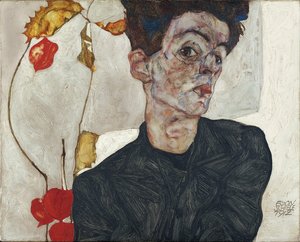
1890 - 1918 , Austrija
Explore the profound emotional depth of Lyrical Abstraction. Discover how masters like Raymond Parker used color and form to bridge Impressionism and Abstract Expressionism. Learn about this pivotal movement through our expert-led art history guide.

Explore the profound mastery of ink on paper. From Japanese haiku traditions to Ming Dynasty calligraphy, discover the delicate balance of precision and flow that defines this timeless art form through an expert historical lens.

Explore the profound emotional depth of Color Field painting. Discover the history of mid-century abstraction, from Rothko to Newman, and learn how pure color transforms the viewer's experience through our expert art history guide.


Sekite naujausias meno naujienas, išskirtinius pasiūlymus ir dekoravimo idėjas.
Pasakokite mums apie savo projektą, o mūsų meno ekspertai parengs jums 3 asmeniškus meno pasiūlymus.
Leiskite mums parinkti 3 variantus būtent jums – nemokamai!


 Peržiūrėti realybėje
 Pasidalinti
 Dalintis
 Išsamiau

 Atsisiųsti
 Panašūs eksponatai
 Rentgeno nuotrauka
 Automatinė diorama
 Skaityti daugiau







 Stiklo variantas prieinamas tik pasirinkus dydį iki 110 cm