x

Muziejų lygio „giclée“ arba drobos spausdinimas: greita gamyba ir lankstios apdailos parinktys. ( Pirkti rankomis tapytą paveikslą Pirkti vaizdą)





























Pasirinkite iš mūsų nustatytų dydžių, atitinkančių originalaus meno kūrinio proporcijas.

Galite nurodyti savo matmenis, kad vaizdas atitiktų konkretų rėmą ar erdvę. Jei pasirinktas dydis nesutaps su originalaus paveikslėlio proporcijomis, mes arba apkirpsime kūrinį, arba išplėsime vaizdą naudojant veideliu atspindėtą arba vientisą šoną. Skaitmeninis maketas bus išsiųstas jums patvirtinti prieš pradedant gamybą.
Atkreipkite dėmesį, kad ekrane matomas vaizdinys neatspindi tikrojo apkirpimo ar išplėtimo. Tik maketas tiksliai parodytų galutinę kompoziciją.
Nors galima rinktis ir individualius dydžius, rekomenduojame pasirinkti vieną iš išanksti nustatytų matmenų, kad būtų išlaikytos originalios proporcijos.
Pristatymas visame pasaulyje () per 2 weeks, o ne įprastas 4/5 savaičių laikotarpis. (18 rugpjūtis)


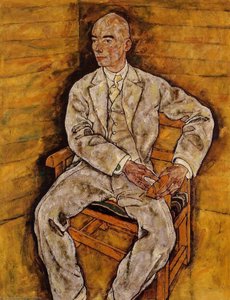
untitled (2996)
Reprodukcijos matmenys
Egon Schiele's "Untitled (2996)," a haunting depiction of a woman seated on the ground, is more than just a portrait; it’s a raw and intensely personal exploration of vulnerability, anxiety, and the precariousness of existence. Painted in 1918, tragically near the end of his life, this work embodies the core tenets of Schiele's Expressionist style – a deliberate distortion of form, an emphasis on emotional intensity, and a willingness to confront uncomfortable truths about the human condition. The painting’s power lies not in its precise representation but in its evocative atmosphere, a palpable sense of unease that draws the viewer into the woman’s internal world.

The subject, shrouded in a dark, enveloping garment, occupies the lower half of the canvas. Her posture – slumped and seemingly defeated – immediately conveys distress. Her face, though partially obscured, holds an expression of profound sorrow or perhaps even resignation. The background is deliberately blurred, populated by indistinct figures that serve to isolate the central figure and amplify her solitude. Schiele’s signature technique—bold, gestural lines—dominates the composition. He employs a thick impasto application of paint, creating a textured surface that adds to the painting's visceral impact. The lines themselves are not merely descriptive; they actively communicate emotion, conveying the woman’s inner turmoil with an almost violent energy.
To understand “Untitled (2996),” it’s crucial to consider Schiele's deeply troubled life. Born in 1890 into a family marked by illness and loss, he experienced the early deaths of his father (from syphilis) and sister, events that profoundly shaped his artistic vision. His father’s descent into madness and subsequent death cast a long shadow over Schiele’s psyche, fueling an obsession with mortality and the fragility of human existence – themes repeatedly explored in his work. The painting can be interpreted as a direct reflection of this personal trauma, a visual manifestation of grief, isolation, and the struggle to find meaning in the face of overwhelming loss.
Furthermore, Schiele’s artistic development was heavily influenced by Gustav Klimt, a prominent figure in the Viennese Secession movement. However, while Klimt often depicted idealized beauty, Schiele relentlessly pursued an unflinching portrayal of human vulnerability and psychological distress. His work stands as a stark contrast to Klimt's polished surfaces, prioritizing emotional honesty over aesthetic perfection.
The woman’s dark clothing can be seen as symbolic of concealment, perhaps representing a hidden pain or a desire for anonymity. The ground she sits upon—a simple, unadorned surface—suggests a lack of support or stability. However, it's the expressive lines that truly carry the weight of meaning in this painting. Schiele’s use of jagged, broken lines creates a sense of unease and instability, mirroring the woman’s emotional state. The lines aren’t simply outlining forms; they are actively shaping the viewer’s perception, drawing attention to the subject's vulnerability and projecting her inner turmoil outward.
"Untitled (2996)" is a profoundly moving work that offers a rare glimpse into the tormented soul of Egon Schiele. It’s a testament to his courage in confronting difficult emotions and his willingness to expose the darker aspects of human experience. Reproductions of this painting, available through Most-Famous-Paintings.com, allow viewers to connect with this powerful artwork on a deeper level, appreciating its raw emotional intensity and enduring relevance. Consider commissioning a hand-painted reproduction to bring this evocative image into your home or office – a tangible reminder of the complexities of human emotion and the beauty found within vulnerability.

Austrijos pozicija dviejų pasaulinio karo horizonte buvo labai abejojanti: vienu metu ji buvo šiek tiek iš Šiaurės į rytus, lengvai įsitikinusi veiksmų vyrai. Mažėjęs šalis po 1918 m., beveik visiškai neišplitusi tarptautiniu pasauliu buvo lengvai įvykdinta Hitlerio Reichui 1938 m.; meno srityje tai reiškė kad modernizmo istorija buvo išvykstanti nuo Šiaurės iki pietų, su pagrindiniu dėmesiu į formą. Vokelių šiek tiek pripažino ekspresionizmą kaip svarbų meno srovę; jis buvo vienas iš žymiausius austrių artistas XX amžiaus pradžioje – kartu su Gustavu Klimtu ir Oskar Kokoschka išvykę į Vieną buvo laikomas vienu iš Žyduvo šimtmečio svarbiausių vizualinių menininkų.
Egonas Šylė gimė 1890 m. vasario 3 d. Tulne, Austrijoje. Jo tėvas Adolfas Šylė buvo Tulno geležinkelio stoties direktorius ir gimė 1851 m. Vienoje Adolfo Šyly tevai turėjo tris jaunesnes seseris: Elvirą, Melaniją ir Gertrūdą. Elvira mirė vaikyste dėl gimtinių sifiliso. Jo tėvas buvo užsikrėtęs sifiliu įsimėlynėje savo jaunystės metais po vienos jo naujosios žmonos išėjimo iš kambario.
Šylė mokytojo Christian Griepenkerl įtaką išgyveno Vienoje 1907 m. ir G. Klimtas tapo jo svarbiu rėmėju. Šylė paliko akademiją 1906 m., nes jos mokymo metodai buvo labai konservatyvus, ir įkūrė Naują austrių dailės grupę 1909 m. Grupėje vyravo ekspresionistinė estetika, kuri iššūkiant šiuolaikinėms kultūros normas.
Šylė buvo vienas iš žymiausius austrių artistas XX amžiaus pradžioje – kartu su Gustavu Klimtu ir Oskar Kokoschka išvykę į Vieną buvo laikomas vienu iš Žyduvo šimtmečio svarbiausių vizualinių menininkų. Šylė buvo ekspresionizmo meno srovės atstovas.
Šylė buvo žinomas dėl savo iššūkiantį įžiūrą į pasaulio problemas ir šiuolaikinę estetika, kuri iššūkiant šiuolaikinėms kultūros normas. Šylė buvo ekspresionizmo meno srovės atstovas.
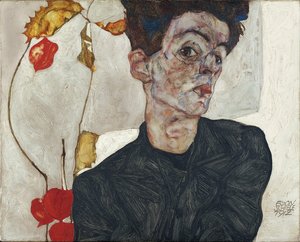
1890 - 1918 , Austrija

Explore the profound history of Expressionism. From Edvard Munch to Jackson Pollock, discover how artists used distortion and color to convey raw emotion. A definitive guide for art lovers seeking deep historical context and mastery in fine art reproductions.

Explore the profound history of Surrealist Expressionism. Discover how artists blended dream logic with raw emotion to navigate post-war trauma through masterful, evocative imagery and psychological depth.
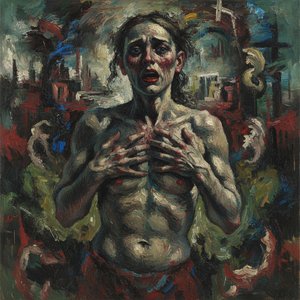
Explore the profound depth of Figurative Expressionism. From Edvard Munch to William H. Johnson, learn how masters use the human form to capture raw emotion through color and distortion in this expert art history guide.


Sekite naujausias meno naujienas, išskirtinius pasiūlymus ir dekoravimo idėjas.
Pasakokite mums apie savo projektą, o mūsų meno ekspertai parengs jums 3 asmeniškus meno pasiūlymus.
Leiskite mums parinkti 3 variantus būtent jums – nemokamai!


 Peržiūrėti realybėje
 Pasidalinti
 Dalintis
 Išsamiau

 Atsisiųsti
 Panašūs eksponatai
 Rentgeno nuotrauka
 Automatinė diorama
 Skaityti daugiau







 Stiklo variantas prieinamas tik pasirinkus dydį iki 110 cm