x

Muziejų lygio „giclée“ arba drobos spausdinimas: greita gamyba ir lankstios apdailos parinktys. ( Pirkti rankomis tapytą paveikslą Pirkti vaizdą)





























Pasirinkite iš mūsų nustatytų dydžių, atitinkančių originalaus meno kūrinio proporcijas.

Galite nurodyti savo matmenis, kad vaizdas atitiktų konkretų rėmą ar erdvę. Jei pasirinktas dydis nesutaps su originalaus paveikslėlio proporcijomis, mes arba apkirpsime kūrinį, arba išplėsime vaizdą naudojant veideliu atspindėtą arba vientisą šoną. Skaitmeninis maketas bus išsiųstas jums patvirtinti prieš pradedant gamybą.
Atkreipkite dėmesį, kad ekrane matomas vaizdinys neatspindi tikrojo apkirpimo ar išplėtimo. Tik maketas tiksliai parodytų galutinę kompoziciją.
Nors galima rinktis ir individualius dydžius, rekomenduojame pasirinkti vieną iš išanksti nustatytų matmenų, kad būtų išlaikytos originalios proporcijos.
Pristatymas visame pasaulyje () per 2 weeks, o ne įprastas 4/5 savaičių laikotarpis. (19 rugpjūtis)


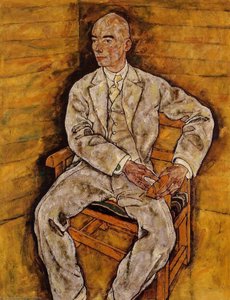
untitled (3781)
Reprodukcijos matmenys
Egon Schiele's "untitled (3781)," a remarkably intimate and unsettling portrait, offers a profound glimpse into the artist’s tormented psyche. Painted during a period marked by personal tragedy and artistic experimentation, this work transcends mere representation to become a raw expression of vulnerability, mortality, and the complex interplay between life and death. The image depicts a woman with strikingly vibrant green hair, enveloped in a protective embrace by another figure – a man holding her close. Set against a stark white background, the figures command attention, their forms rendered with Schiele’s signature elongated lines and intense gaze. The scene feels both intensely private and universally resonant, inviting viewers to contemplate themes of love, loss, and the inescapable shadow of existence.
To fully appreciate “untitled (3781),” it’s crucial to understand the artist's tumultuous life. Born in 1890 in Tulln an der Donau, Austria, Schiele’s early years were profoundly shaped by illness and loss – his father succumbed to syphilis when he was just fourteen, a devastating event that permeated much of his work. Raised under the watchful eye of his uncle, Leopold Czihaczek, and grappling with the premature deaths of his sister and mother, Schiele developed an acute awareness of fragility and mortality. This biographical backdrop informs every brushstroke, imbuing the painting with a palpable sense of melancholy and urgency. His artistic training at the Vienna Academy of Fine Arts, particularly under the influence of Gustav Klimt, provided him with technical skills but ultimately left him feeling stifled by convention – a desire to break free from established norms fueled his intensely personal and often unsettling style.
Schiele’s technique is immediately arresting. He employs elongated, sinuous lines that seem to writhe with emotion, capturing the physicality of the figures in a way that is both sensual and unsettling. The woman's green hair, an unusual choice for the period, could symbolize vitality, youth, or perhaps even a hint of otherworldly beauty – a defiant assertion against the encroaching darkness. The man’s embrace isn’t one of comfort; rather, it feels possessive, almost desperate. Notice how he dominates the space around her, his body pressing close, suggesting an attempt to shield her from some unseen threat. The stark white background serves to amplify the figures' presence, drawing focus entirely onto their emotional state. The use of a limited color palette – primarily black and white with the vibrant green – further emphasizes the painting’s dramatic intensity. Schiele frequently utilized a technique called “pointillé,” applying tiny dots of paint to create texture and depth, adding to the overall sense of movement and unease.
"untitled (3781)" is not simply a portrait; it’s a psychological exploration. It speaks to the fundamental human need for connection in the face of mortality, but also reveals the anxieties and insecurities that can accompany intimacy. The painting evokes a sense of vulnerability and longing—a silent plea for protection amidst an uncertain world. Schiele's work consistently grappled with themes of sexuality, death, and the human condition, often portraying figures in states of heightened emotion or psychological distress. This particular piece resonates deeply because it captures a moment of intense connection, shadowed by an underlying awareness of fragility. It’s a reminder that even within moments of apparent comfort, the specter of loss always lingers. Reproductions of this powerful work offer a unique opportunity to experience Schiele's vision and contemplate these profound themes.
For high-quality reproductions and to delve deeper into Egon Schiele’s artistic legacy, please visit Most-Famous-Paintings.com.

Austrijos pozicija dviejų pasaulinio karo horizonte buvo labai abejojanti: vienu metu ji buvo šiek tiek iš Šiaurės į rytus, lengvai įsitikinusi veiksmų vyrai. Mažėjęs šalis po 1918 m., beveik visiškai neišplitusi tarptautiniu pasauliu buvo lengvai įvykdinta Hitlerio Reichui 1938 m.; meno srityje tai reiškė kad modernizmo istorija buvo išvykstanti nuo Šiaurės iki pietų, su pagrindiniu dėmesiu į formą. Vokelių šiek tiek pripažino ekspresionizmą kaip svarbų meno srovę; jis buvo vienas iš žymiausius austrių artistas XX amžiaus pradžioje – kartu su Gustavu Klimtu ir Oskar Kokoschka išvykę į Vieną buvo laikomas vienu iš Žyduvo šimtmečio svarbiausių vizualinių menininkų.
Egonas Šylė gimė 1890 m. vasario 3 d. Tulne, Austrijoje. Jo tėvas Adolfas Šylė buvo Tulno geležinkelio stoties direktorius ir gimė 1851 m. Vienoje Adolfo Šyly tevai turėjo tris jaunesnes seseris: Elvirą, Melaniją ir Gertrūdą. Elvira mirė vaikyste dėl gimtinių sifiliso. Jo tėvas buvo užsikrėtęs sifiliu įsimėlynėje savo jaunystės metais po vienos jo naujosios žmonos išėjimo iš kambario.
Šylė mokytojo Christian Griepenkerl įtaką išgyveno Vienoje 1907 m. ir G. Klimtas tapo jo svarbiu rėmėju. Šylė paliko akademiją 1906 m., nes jos mokymo metodai buvo labai konservatyvus, ir įkūrė Naują austrių dailės grupę 1909 m. Grupėje vyravo ekspresionistinė estetika, kuri iššūkiant šiuolaikinėms kultūros normas.
Šylė buvo vienas iš žymiausius austrių artistas XX amžiaus pradžioje – kartu su Gustavu Klimtu ir Oskar Kokoschka išvykę į Vieną buvo laikomas vienu iš Žyduvo šimtmečio svarbiausių vizualinių menininkų. Šylė buvo ekspresionizmo meno srovės atstovas.
Šylė buvo žinomas dėl savo iššūkiantį įžiūrą į pasaulio problemas ir šiuolaikinę estetika, kuri iššūkiant šiuolaikinėms kultūros normas. Šylė buvo ekspresionizmo meno srovės atstovas.
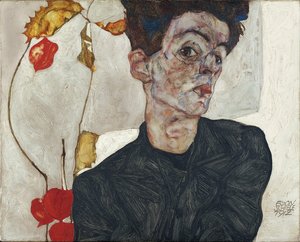
1890 - 1918 , Austrija
Atraskite 25 įspūdingiausius Egon Schiele šedevrus! Gilinkitės į ekspresionizmo pasaulį, portretų istorijas ir unikalią menininko spalvų paletę. Aukštos kokybės reprodukcijos interjerui – Most-Famous-Paintings.lt

Explore the rich history & symbolism of green in art! Discover iconic paintings, techniques, and how to bring verdant harmony into your home with Most-Famous-Paintings's expert guide.

Explore the emotionally charged world of Egon Schiele (1890-1918). Discover his Expressionist masterpieces, psychological themes, and lasting impact on modern art. A comprehensive guide for collectors & enthusiasts.
Atraskite ekspresionizmo šedevrus! 10 įtakingiausių meno kūrinių, atskleisiančių Muncho, Kirchnerio ir kitų meistrų emocijas. Išmokite apie tapybos stilius bei spalvų paletę. Aukščiausios kokybės dailės reprodukcijos jūsų namams – Most-Famous-Paintings.com.

Explore 10 iconic paintings dominated by black tones, from Rembrandt’s chiaroscuro to Goya's dark expressions. Discover the stories behind these masterpieces & find museum-quality art reproductions for your home at .


Sekite naujausias meno naujienas, išskirtinius pasiūlymus ir dekoravimo idėjas.
Pasakokite mums apie savo projektą, o mūsų meno ekspertai parengs jums 3 asmeniškus meno pasiūlymus.
Leiskite mums parinkti 3 variantus būtent jums – nemokamai!


 Peržiūrėti realybėje
 Pasidalinti
 Dalintis
 Išsamiau

 Atsisiųsti
 Panašūs eksponatai
 Rentgeno nuotrauka
 Automatinė diorama
 Skaityti daugiau







 Stiklo variantas prieinamas tik pasirinkus dydį iki 110 cm