x

Rankiniu būdu tapytas aliejus ant droblio jūsų pageidaujamame dydį ir rėmuose – mūsų menininkų darbas pagal užsakymą. ( Pirkti spaudinį Pirkti vaizdą)





























Pasirinkite iš mūsų nustatytų dydžių, atitinkančių originalaus meno kūrinio proporcijas.

Galite įvesti savo matmenis, kad jie atitiktų konkretų rėmą ar erdvę. Jei pasirinktas dydis neatitinka originalaus paveikslėlio proporcijų, mes arba apkropsime meno kūrinį, arba papildysime tapybą rankomis dažytい elementais. Prieš pradėdami gamybą, jūsų patvirtinimui atsiųsime skaitmeninį maketą.
Atkreipkite dėmesį, kad ekrane rodomas vaizdas neatspindi tikrojo apkarpymo ar papildymo. Tik maketas tiksliai parodys galutinę kompoziciją.
Nors galima rinktis ir individualius dydžius, rekomenduojame pasirinkti matmenis iš nustatytos sąrašo, kad būtų išlaikytos originalios proporcijos.
Pristatymas visame pasaulyje () per 3–4 savaites, o ne įprastai – per 5 savaites. (20 rugpjūtis). Kokybė lieka nepakeičiama.


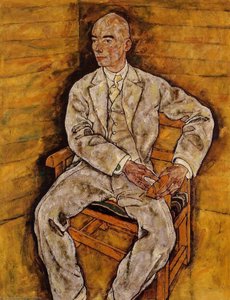
untitled (7754)
Reprodukcijos matmenys
Egon Schiele's "untitled (7754)," a remarkably intimate depiction of a woman holding a microphone, is far more than a simple portrait; it’s a distilled essence of early 20th-century anxieties and the burgeoning complexities of modern life. Painted during a period of immense social and artistic upheaval – Schiele's tragically short life spanned from 1890 to 1918 – this work embodies his signature style: raw emotion, distorted forms, and an unflinching gaze into the human psyche. The painting’s subdued brown background serves not as mere backdrop but as a deliberate space of contemplation, drawing the viewer's attention directly to the woman at its center.
Schiele was a pivotal figure in the Expressionist movement, rejecting academic realism in favor of intensely personal and often unsettling representations. His work frequently grappled with themes of mortality, sexuality, and psychological distress – subjects he explored through a lens of profound vulnerability. This particular portrait feels particularly weighted by these concerns. The woman’s downward gaze suggests introspection or perhaps even melancholy, while the microphone she holds hints at a performance, a public utterance, yet one delivered with a palpable sense of quietude.
Technically, “untitled (7754)” showcases Schiele’s mastery of line. He employed a dynamic, almost frenetic approach, utilizing thick, gestural strokes to define the woman's form and create a sense of movement within the composition. The lines aren’t merely delineating edges; they are imbued with emotion – tension, vulnerability, and perhaps even a hint of defiance. Notice how the curves of her body contrast sharply with the angularity of the microphone, creating visual friction that mirrors the internal conflicts potentially represented by the scene.
Schiele's use of color is equally deliberate. The limited palette—primarily browns and muted tones—contributes to the painting’s somber mood. He avoids bright hues, opting instead for shades that evoke a sense of intimacy and quiet desperation. This restraint amplifies the emotional impact of the work, allowing the viewer to focus on the subtleties of expression and gesture.
The inclusion of the microphone is particularly significant within the context of Schiele’s era. The rise of mass media and public performance was transforming society, creating new avenues for self-expression but also fostering anxieties about identity and authenticity. Schiele's subject appears to be caught between these forces – poised to speak, yet seemingly hesitant or even reluctant. Some art historians interpret the feather on her hat as a symbol of vanity or perhaps a fleeting moment of beauty amidst an otherwise bleak existence.
Furthermore, Schiele’s recurring fascination with mortality is evident throughout this piece. The woman's posture and expression evoke a sense of fragility and vulnerability, reminding us of the ephemeral nature of life. The painting can be viewed as a meditation on the anxieties of modernity – the pressures of public performance, the awareness of one's own mortality, and the struggle to find meaning in an increasingly complex world. It’s a poignant reflection of a generation grappling with profound change.
Most-Famous-Paintings offers meticulously crafted hand-painted reproductions of “untitled (7754),” allowing you to experience the raw emotion and artistic brilliance of Egon Schiele in your own space. Our skilled artists replicate Schiele's distinctive style with exceptional accuracy, capturing not only the visual details but also the underlying emotional intensity of the original painting. Whether you’re a seasoned art collector or simply seeking a unique piece of art to elevate your interior design, a Most-Famous-Paintings reproduction provides an authentic and enduring connection to this iconic work.
Explore the full artwork details and discover how you can bring this haunting portrait into your home at /en/art/egon-schiele-untitled-7754-9GEUBD-en/.

Austrijos pozicija dviejų pasaulinio karo horizonte buvo labai abejojanti: vienu metu ji buvo šiek tiek iš Šiaurės į rytus, lengvai įsitikinusi veiksmų vyrai. Mažėjęs šalis po 1918 m., beveik visiškai neišplitusi tarptautiniu pasauliu buvo lengvai įvykdinta Hitlerio Reichui 1938 m.; meno srityje tai reiškė kad modernizmo istorija buvo išvykstanti nuo Šiaurės iki pietų, su pagrindiniu dėmesiu į formą. Vokelių šiek tiek pripažino ekspresionizmą kaip svarbų meno srovę; jis buvo vienas iš žymiausius austrių artistas XX amžiaus pradžioje – kartu su Gustavu Klimtu ir Oskar Kokoschka išvykę į Vieną buvo laikomas vienu iš Žyduvo šimtmečio svarbiausių vizualinių menininkų.
Egonas Šylė gimė 1890 m. vasario 3 d. Tulne, Austrijoje. Jo tėvas Adolfas Šylė buvo Tulno geležinkelio stoties direktorius ir gimė 1851 m. Vienoje Adolfo Šyly tevai turėjo tris jaunesnes seseris: Elvirą, Melaniją ir Gertrūdą. Elvira mirė vaikyste dėl gimtinių sifiliso. Jo tėvas buvo užsikrėtęs sifiliu įsimėlynėje savo jaunystės metais po vienos jo naujosios žmonos išėjimo iš kambario.
Šylė mokytojo Christian Griepenkerl įtaką išgyveno Vienoje 1907 m. ir G. Klimtas tapo jo svarbiu rėmėju. Šylė paliko akademiją 1906 m., nes jos mokymo metodai buvo labai konservatyvus, ir įkūrė Naują austrių dailės grupę 1909 m. Grupėje vyravo ekspresionistinė estetika, kuri iššūkiant šiuolaikinėms kultūros normas.
Šylė buvo vienas iš žymiausius austrių artistas XX amžiaus pradžioje – kartu su Gustavu Klimtu ir Oskar Kokoschka išvykę į Vieną buvo laikomas vienu iš Žyduvo šimtmečio svarbiausių vizualinių menininkų. Šylė buvo ekspresionizmo meno srovės atstovas.
Šylė buvo žinomas dėl savo iššūkiantį įžiūrą į pasaulio problemas ir šiuolaikinę estetika, kuri iššūkiant šiuolaikinėms kultūros normas. Šylė buvo ekspresionizmo meno srovės atstovas.
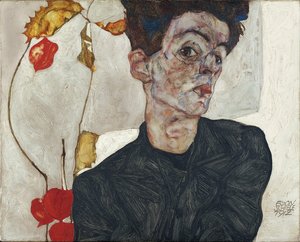
1890 - 1918 , Austrija

Explore the profound history of Expressionism. From Edvard Munch to Jackson Pollock, discover how artists used distortion and color to convey raw emotion. A definitive guide for art lovers seeking deep historical context and mastery in fine art reproductions.

Explore the profound history of Surrealist Expressionism. Discover how artists blended dream logic with raw emotion to navigate post-war trauma through masterful, evocative imagery and psychological depth.
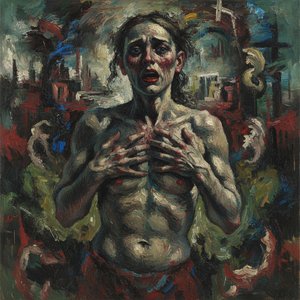
Explore the profound depth of Figurative Expressionism. From Edvard Munch to William H. Johnson, learn how masters use the human form to capture raw emotion through color and distortion in this expert art history guide.

Explore the profound emotional depth of Expressionist portraiture. From Edvard Munch to Francis Bacon, discover how masters used distortion and color to reveal inner truths. Learn about this pivotal movement and find museum-quality oil reproductions for your collection.


Sekite naujausias meno naujienas, išskirtinius pasiūlymus ir dekoravimo idėjas.
Pasakokite mums apie savo projektą, o mūsų meno ekspertai parengs jums 3 asmeniškus meno pasiūlymus.
Leiskite mums parinkti 3 variantus būtent jums – nemokamai!


 Peržiūrėti realybėje
 Pasidalinti
 Dalintis
 Išsamiau

 Atsisiųsti
 Panašūs eksponatai
 Rentgeno nuotrauka
 Automatinė diorama

 Skaityti daugiau







 Stiklo variantas prieinamas tik pasirinkus dydį iki 110 cm