x

Muziejų lygio „giclée“ arba drobos spausdinimas: greita gamyba ir lankstios apdailos parinktys. ( Pirkti rankomis tapytą paveikslą Pirkti vaizdą)





























Pasirinkite iš mūsų nustatytų dydžių, atitinkančių originalaus meno kūrinio proporcijas.

Galite nurodyti savo matmenis, kad vaizdas atitiktų konkretų rėmą ar erdvę. Jei pasirinktas dydis nesutaps su originalaus paveikslėlio proporcijomis, mes arba apkirpsime kūrinį, arba išplėsime vaizdą naudojant veideliu atspindėtą arba vientisą šoną. Skaitmeninis maketas bus išsiųstas jums patvirtinti prieš pradedant gamybą.
Atkreipkite dėmesį, kad ekrane matomas vaizdinys neatspindi tikrojo apkirpimo ar išplėtimo. Tik maketas tiksliai parodytų galutinę kompoziciją.
Nors galima rinktis ir individualius dydžius, rekomenduojame pasirinkti vieną iš išanksti nustatytų matmenų, kad būtų išlaikytos originalios proporcijos.
Pristatymas visame pasaulyje () per 2 weeks, o ne įprastas 4/5 savaičių laikotarpis. (14 rugpjūtis)


untitled (8356)
Reprodukcijos matmenys
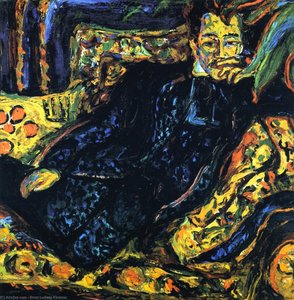
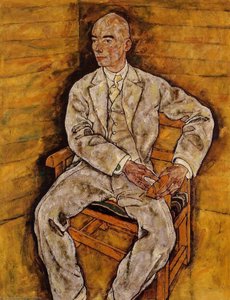
Egon Schiele's "untitled (8356)" is not merely a portrait; it’s a raw, unsettling glimpse into the psyche of a tormented artist grappling with mortality, sexuality, and the anxieties of early 20th-century Europe. Painted in 1917, during a period of intense personal struggle for Schiele – marked by illness, loss, and the looming shadow of World War I – this work embodies his signature Expressionist style: bold lines, distorted forms, and an unnerving intensity that refuses to offer easy answers.
The subject, a woman with a strikingly unusual expression, dominates the composition. Her mouth hangs slightly open in what appears to be a forced smile or perhaps a grimace of discomfort, her eyes wide and unblinking. This unsettling facial distortion is central to the painting’s power, immediately drawing the viewer into a space of unease and questioning. The background—a simple wall adorned with a clock and two books – provides a stark contrast to the woman's intense presence, suggesting a sense of isolation and perhaps a preoccupation with time and knowledge.
Schiele’s technique is instantly recognizable. He employs rapid, agitated brushstrokes that create a palpable sense of movement and instability. The lines are not smooth or refined; they are jagged, broken, and deliberately distorted – mirroring the emotional turmoil he sought to convey. Notice how the woman's features are elongated and exaggerated, her body subtly twisted as if caught in an awkward pose. This deliberate distortion isn’t simply stylistic; it’s a visual representation of psychological strain and vulnerability.
The use of color is equally significant. The palette is muted – predominantly browns, ochres, and greys—contributing to the painting's somber mood. However, Schiele strategically employs small bursts of brighter tones, particularly in the woman’s eyes, which seem to pierce through the darkness, demanding attention and revealing a flicker of underlying emotion.
Schiele's work is deeply intertwined with the anxieties of his time. The painting reflects the pervasive sense of uncertainty and disillusionment that gripped Europe in the wake of World War I, as well as a broader preoccupation with death and decay—themes frequently explored by Schiele throughout his oeuvre. The clock in the background serves as a potent symbol of mortality, reminding us of the relentless passage of time and the inevitability of our own demise.
Furthermore, the painting can be interpreted through the lens of Freudian psychology. The woman’s expression—a mixture of amusement and discomfort—suggests a complex interplay of desire and repression. Schiele was fascinated by sexuality and often depicted it in unconventional ways, challenging societal norms and exploring the darker aspects of human experience. The presence of the books hints at intellectual pursuits but also perhaps an inability to find solace or answers within them.
"untitled (8356)" is a profoundly moving work that continues to resonate with viewers today. Most-Famous-Paintings offers meticulously crafted, hand-painted reproductions of this iconic painting, allowing you to experience its emotional depth and artistic brilliance in stunning detail. These reproductions capture not only the visual elements but also the very spirit of Schiele’s vision—a testament to his unique talent and enduring legacy. Consider adding this powerful image to your collection or incorporating it into your interior design – a reminder of the complexities of human emotion and the beauty found within vulnerability.
To learn more about Egon Schiele's life, artistic influences, and other significant works, explore our artist database or read our comprehensive article: Egon Schiele: Expressionism, Anxiety & the Modern Condition – A Comprehensive Exploration. For a deeper dive into one of his most famous paintings, you can find information on “Death and the Maiden (Schiele)” here: Wikipedia Search.

Austrijos pozicija dviejų pasaulinio karo horizonte buvo labai abejojanti: vienu metu ji buvo šiek tiek iš Šiaurės į rytus, lengvai įsitikinusi veiksmų vyrai. Mažėjęs šalis po 1918 m., beveik visiškai neišplitusi tarptautiniu pasauliu buvo lengvai įvykdinta Hitlerio Reichui 1938 m.; meno srityje tai reiškė kad modernizmo istorija buvo išvykstanti nuo Šiaurės iki pietų, su pagrindiniu dėmesiu į formą. Vokelių šiek tiek pripažino ekspresionizmą kaip svarbų meno srovę; jis buvo vienas iš žymiausius austrių artistas XX amžiaus pradžioje – kartu su Gustavu Klimtu ir Oskar Kokoschka išvykę į Vieną buvo laikomas vienu iš Žyduvo šimtmečio svarbiausių vizualinių menininkų.
Egonas Šylė gimė 1890 m. vasario 3 d. Tulne, Austrijoje. Jo tėvas Adolfas Šylė buvo Tulno geležinkelio stoties direktorius ir gimė 1851 m. Vienoje Adolfo Šyly tevai turėjo tris jaunesnes seseris: Elvirą, Melaniją ir Gertrūdą. Elvira mirė vaikyste dėl gimtinių sifiliso. Jo tėvas buvo užsikrėtęs sifiliu įsimėlynėje savo jaunystės metais po vienos jo naujosios žmonos išėjimo iš kambario.
Šylė mokytojo Christian Griepenkerl įtaką išgyveno Vienoje 1907 m. ir G. Klimtas tapo jo svarbiu rėmėju. Šylė paliko akademiją 1906 m., nes jos mokymo metodai buvo labai konservatyvus, ir įkūrė Naują austrių dailės grupę 1909 m. Grupėje vyravo ekspresionistinė estetika, kuri iššūkiant šiuolaikinėms kultūros normas.
Šylė buvo vienas iš žymiausius austrių artistas XX amžiaus pradžioje – kartu su Gustavu Klimtu ir Oskar Kokoschka išvykę į Vieną buvo laikomas vienu iš Žyduvo šimtmečio svarbiausių vizualinių menininkų. Šylė buvo ekspresionizmo meno srovės atstovas.
Šylė buvo žinomas dėl savo iššūkiantį įžiūrą į pasaulio problemas ir šiuolaikinę estetika, kuri iššūkiant šiuolaikinėms kultūros normas. Šylė buvo ekspresionizmo meno srovės atstovas.
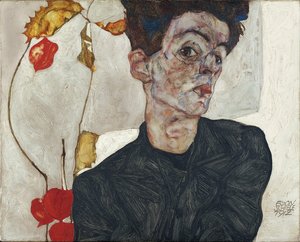
1890 - 1918 , Austrija
Atraskite 25 įspūdingiausius Egon Schiele šedevrus! Gilinkitės į ekspresionizmo pasaulį, portretų istorijas ir unikalią menininko spalvų paletę. Aukštos kokybės reprodukcijos interjerui – Most-Famous-Paintings.lt

Explore the emotionally charged world of Egon Schiele (1890-1918). Discover his Expressionist masterpieces, psychological themes, and lasting impact on modern art. A comprehensive guide for collectors & enthusiasts.
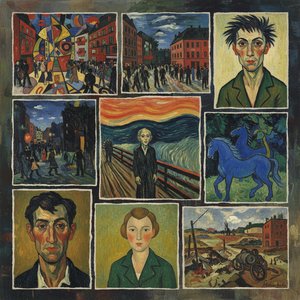
Explore 10 Expressionist paintings that revolutionized art! Discover Munch, Kirchner & Kandinsky's iconic works. Find museum-quality reproductions and vibrant canvas prints to elevate your home decor on Most-Famous-Paintings.com.
Atraskite ekspresionizmo šedevrus! 10 įtakingiausių meno kūrinių, atskleisiančių Muncho, Kirchnerio ir kitų meistrų emocijas. Išmokite apie tapybos stilius bei spalvų paletę. Aukščiausios kokybės dailės reprodukcijos jūsų namams – Most-Famous-Paintings.com.

Elevate your artistic practice with this expert guide to mastering the line. Discover advanced techniques in graphite, charcoal, and contour drawing designed for art students seeking technical precision and expressive depth in their fine art studies.


Sekite naujausias meno naujienas, išskirtinius pasiūlymus ir dekoravimo idėjas.
Pasakokite mums apie savo projektą, o mūsų meno ekspertai parengs jums 3 asmeniškus meno pasiūlymus.
Leiskite mums parinkti 3 variantus būtent jums – nemokamai!


 Peržiūrėti realybėje
 Pasidalinti
 Dalintis
 Išsamiau

 Atsisiųsti
 Panašūs eksponatai
 Rentgeno nuotrauka
 Automatinė diorama
 Skaityti daugiau







 Stiklo variantas prieinamas tik pasirinkus dydį iki 110 cm