


x

Įsigykite aukštos skiriamosios raiškos, patobulintą skaitmeninį vaizdą, gerokai pranašesnį už internetinę peržiūrą.
Kiekvieną failą mūsų specialistai kruopščiai paruošia naudojant pažangias technologijas ir profesionalų rankinį retušavimą. Užtikriname, kad kiekvienas vaizdas pasižymėtų išskirtiniu aiškumu, tikslia spalvų atspalviu ir smulkiomis detalėmis.
Baigiamas failas el. paštu pristatomas per 72 valandas; jis optimizuotas nedelsiant naudojimui profesionalioje, redakcinėje ir spausdinimo aplinkoje. Tai ta pati kokybė, kuria pasitiki aukščiausios klasės dizaino studijos, leidyklos ir galerijos.
Atsisiųskite didelės raiškos failą asmeniniam naudojimui, spausdinimui ir kūrybiniams projektams. ( Pirkti spaudinį Pirkti rankomis tapytą paveikslą)
Pasirinkę Most-Famous-Paintings.com, jūs ne tik gaunate paveikslėlį – jūs gaunate profesionaliai patobudintą skaitmeninį kūrinį, sukurtą itin tikniai ir užtikrinantį pasitenkinimą. Štai viską, kas automatiškai pritékia jūsų užsakymui:

Jūsų aukštos raiškos skaitmeninis vaizdo failas bus išsiųstas jums el. paštu per 72 valaudas nuo užsakymo – paruoštas naudojimui be jokių papildomų veiksmų.

Jūsų meno kūrinys profesionaliai optimizuojamas naudojant pažangius dirbtinio intelekto įrankius ir rankinį redagavimą, užtikrinant maksimalią detalę, aiškumą ir spalvų tikslumą.

Atsitiktinai ištrytikote ar praradote savo failą? Nebijokite – bet kuriuo metu atsiųsime jį jums vėl nemokamai.

Mėgaukitės savo meno kūriniu akimirka – skaitiniai failai visada yra neapmokestinami, todėl nereikės mokėti muitinės, mokesčių ar pristatymo mokesčių.

Naudodami profesionalią įrangą ir spalvų valdymo sistemas, užtikriname, kad jūsų skaitmeninis vaizdas kuo tiksliau atspindėtų originalias spalvas.

Jei nebuvate patenkinti savo skaitinio vaizdo, per 60 dienų jį pertaisysime arba grąkinsime 100% sumą – be jokių klausimų.

Nepat 만족inti? Gaukite visą sumokėtą sumą per 60 dienų nuo skaitmeninio failo gavimo – be jokių papildomų klausimų.

Pirkti 3 nuotraukas – pasiūla 10% - Pirkti 5 – pasiūla 15% - Pirkti 10 ir daugiau – pasiūla 20%. Puikiai tinka kūrybiniams projektams, galerijoms bei agentūroms.
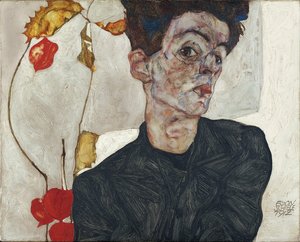
Egon Schiele's "untitled (9575)" is not merely a painting; it’s an unflinching gaze into the depths of human emotion, a raw and intensely personal expression rendered with the signature boldness that defined this pivotal figure of Expressionism. Created during a period of profound upheaval – his life tragically cut short in 1918 amidst the horrors of World War I – the work embodies Schiele’s preoccupation with mortality, sexuality, and the psychological complexities of the human condition. The image depicts a woman, her features both vulnerable and defiant, presented against an undefined backdrop that amplifies the drama of her presence. Her long hair, seemingly caught in a moment of disarray, adds to the sense of immediacy and emotional turbulence.
Schiele’s distinctive style is immediately recognizable. He eschewed traditional academic techniques in favor of a highly individual approach characterized by elongated figures, distorted perspectives, and a deliberate use of line – thick, jagged strokes that seem to vibrate with energy. This particular piece showcases his mastery of capturing fleeting expressions; the subtle curve of her lips, painted with a vivid red lipstick, hints at an unspoken narrative, while her direct gaze compels the viewer into an uncomfortable yet captivating dialogue. The painting’s color palette is restrained – primarily muted tones punctuated by the striking red of her mouth – contributing to its overall sense of somber intensity.
Schiele's biography is inextricably linked to his art, and the pervasive influence of personal tragedy is palpable throughout his oeuvre. The early death of his father, a man consumed by syphilis, cast a long shadow over his childhood, shaping his artistic vision with an acute awareness of fragility and decay. Similarly, the loss of his sister Elvira at a young age fueled a deep-seated fear of mortality that he relentlessly explored through his art. This exploration isn’t simply morbid; it's intertwined with a fascination – even an embrace – of eroticism and the raw physicality of human experience. As noted in the Wikipedia article on Schiele, “The presence of death, but also the connection between death and eros in several of his works from this period, is associated with this event.”
Interestingly, the painting’s creation coincided with Schiele's military service during World War I. This tumultuous period undoubtedly informed the work’s emotional intensity, contributing to its exploration of themes like loss, vulnerability, and the unsettling juxtaposition of life and death. The influence of Gustav Klimt, a mentor figure in Schiele’s early career, is also evident – though Schiele quickly forged his own distinct path, rejecting Klimt's decorative style in favor of a more psychologically driven approach.
While the subject matter appears straightforward—a woman looking directly at the viewer—"untitled (9575)" is rich with symbolic potential. The red lipstick, a bold statement against the muted background, can be interpreted as an assertion of self, a defiant act in the face of mortality. Her slightly disheveled hair suggests a state of emotional turmoil, perhaps reflecting the anxieties and uncertainties of her time. The lack of specific context invites interpretation; we are left to project our own emotions and experiences onto the figure, creating a deeply personal connection with the artwork.
Drawing parallels to Schiele’s “Death and the Maiden” (1915), another powerful work exploring the intersection of death and eroticism, reveals a recurring thematic concern. Both paintings utilize a Renaissance motif – the contrast between death and the maiden – but imbue it with Schiele's signature intensity and psychological depth. The film adaptation of Schiele’s life, “Death and the Maiden,” further solidifies this connection, demonstrating the enduring fascination with his work.
Most-Famous-Paintings offers meticulously crafted hand-painted reproductions of Egon Schiele's "untitled (9575)," allowing you to experience the raw emotion and captivating intensity of this iconic artwork in your own space. These reproductions faithfully capture the artist’s distinctive style, utilizing traditional oil painting techniques to recreate the texture, color palette, and dynamic energy of the original. Whether you are an art collector, a design enthusiast, or simply seeking a piece that speaks to the complexities of human experience, a Most-Famous-Paintings reproduction of Schiele's portrait is a powerful addition to any collection – a testament to the enduring legacy of one of Expressionism’s most compelling figures.

Austrijos pozicija dviejų pasaulinio karo horizonte buvo labai abejojanti: vienu metu ji buvo šiek tiek iš Šiaurės į rytus, lengvai įsitikinusi veiksmų vyrai. Mažėjęs šalis po 1918 m., beveik visiškai neišplitusi tarptautiniu pasauliu buvo lengvai įvykdinta Hitlerio Reichui 1938 m.; meno srityje tai reiškė kad modernizmo istorija buvo išvykstanti nuo Šiaurės iki pietų, su pagrindiniu dėmesiu į formą. Vokelių šiek tiek pripažino ekspresionizmą kaip svarbų meno srovę; jis buvo vienas iš žymiausius austrių artistas XX amžiaus pradžioje – kartu su Gustavu Klimtu ir Oskar Kokoschka išvykę į Vieną buvo laikomas vienu iš Žyduvo šimtmečio svarbiausių vizualinių menininkų.
Egonas Šylė gimė 1890 m. vasario 3 d. Tulne, Austrijoje. Jo tėvas Adolfas Šylė buvo Tulno geležinkelio stoties direktorius ir gimė 1851 m. Vienoje Adolfo Šyly tevai turėjo tris jaunesnes seseris: Elvirą, Melaniją ir Gertrūdą. Elvira mirė vaikyste dėl gimtinių sifiliso. Jo tėvas buvo užsikrėtęs sifiliu įsimėlynėje savo jaunystės metais po vienos jo naujosios žmonos išėjimo iš kambario.
Šylė mokytojo Christian Griepenkerl įtaką išgyveno Vienoje 1907 m. ir G. Klimtas tapo jo svarbiu rėmėju. Šylė paliko akademiją 1906 m., nes jos mokymo metodai buvo labai konservatyvus, ir įkūrė Naują austrių dailės grupę 1909 m. Grupėje vyravo ekspresionistinė estetika, kuri iššūkiant šiuolaikinėms kultūros normas.
Šylė buvo vienas iš žymiausius austrių artistas XX amžiaus pradžioje – kartu su Gustavu Klimtu ir Oskar Kokoschka išvykę į Vieną buvo laikomas vienu iš Žyduvo šimtmečio svarbiausių vizualinių menininkų. Šylė buvo ekspresionizmo meno srovės atstovas.
Šylė buvo žinomas dėl savo iššūkiantį įžiūrą į pasaulio problemas ir šiuolaikinę estetika, kuri iššūkiant šiuolaikinėms kultūros normas. Šylė buvo ekspresionizmo meno srovės atstovas.
1890 - 1918 , Austrija


Sekite naujausias meno naujienas, išskirtinius pasiūlymus ir dekoravimo idėjas.
Pasakokite mums apie savo projektą, o mūsų meno ekspertai parengs jums 3 asmeniškus meno pasiūlymus.
Leiskite mums parinkti 3 variantus būtent jums – nemokamai!


 Peržiūrėti realybėje
 Pasidalinti
 Dalintis
 Išsamiau

 Atsisiųsti
 Panašūs eksponatai
 Rentgeno nuotrauka
 Automatinė diorama
 Skaityti daugiau


