


x

 Aliejus ant drobėsSieninis menasExpressionism
 1610Renesansas
 97.0 x 77.0 cm
 El Greco muziejus
Įsigykite aukštos skiriamosios raiškos, patobulintą skaitmeninį vaizdą, gerokai pranašesnį už internetinę peržiūrą.
Kiekvieną failą mūsų specialistai kruopščiai paruošia naudojant pažangias technologijas ir profesionalų rankinį retušavimą. Užtikriname, kad kiekvienas vaizdas pasižymėtų išskirtiniu aiškumu, tikslia spalvų atspalviu ir smulkiomis detalėmis.
Baigiamas failas el. paštu pristatomas per 72 valandas; jis optimizuotas nedelsiant naudojimui profesionalioje, redakcinėje ir spausdinimo aplinkoje. Tai ta pati kokybė, kuria pasitiki aukščiausios klasės dizaino studijos, leidyklos ir galerijos.
Atsisiųskite didelės raiškos failą asmeniniam naudojimui, spausdinimui ir kūrybiniams projektams. ( Pirkti spaudinį Pirkti rankomis tapytą paveikslą)
Pasirinkę Most-Famous-Paintings.com, jūs ne tik gaunate paveikslėlį – jūs gaunate profesionaliai patobudintą skaitmeninį kūrinį, sukurtą itin tikniai ir užtikrinantį pasitenkinimą. Štai viską, kas automatiškai pritékia jūsų užsakymui:

Jūsų aukštos raiškos skaitmeninis vaizdo failas bus išsiųstas jums el. paštu per 72 valaudas nuo užsakymo – paruoštas naudojimui be jokių papildomų veiksmų.

Jūsų meno kūrinys profesionaliai optimizuojamas naudojant pažangius dirbtinio intelekto įrankius ir rankinį redagavimą, užtikrinant maksimalią detalę, aiškumą ir spalvų tikslumą.

Atsitiktinai ištrytikote ar praradote savo failą? Nebijokite – bet kuriuo metu atsiųsime jį jums vėl nemokamai.

Mėgaukitės savo meno kūriniu akimirka – skaitiniai failai visada yra neapmokestinami, todėl nereikės mokėti muitinės, mokesčių ar pristatymo mokesčių.

Naudodami profesionalią įrangą ir spalvų valdymo sistemas, užtikriname, kad jūsų skaitmeninis vaizdas kuo tiksliau atspindėtų originalias spalvas.

Jei nebuvate patenkinti savo skaitinio vaizdo, per 60 dienų jį pertaisysime arba grąkinsime 100% sumą – be jokių klausimų.

Nepat 만족inti? Gaukite visą sumokėtą sumą per 60 dienų nuo skaitmeninio failo gavimo – be jokių papildomų klausimų.

Pirkti 3 nuotraukas – pasiūla 10% - Pirkti 5 – pasiūla 15% - Pirkti 10 ir daugiau – pasiūla 20%. Puikiai tinka kūrybiniams projektams, galerijoms bei agentūroms.
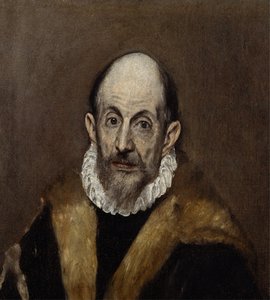
Dominikos Theotokópoulos, universally known as El Greco – “the Greek” – possessed an artistic vision that stubbornly defied categorization, a singular blend of Byzantine spirituality and Renaissance dynamism. His 1610 painting, “Apostle St Thomas,” housed within the Museo de El Greco in Toledo, Spain, stands as a potent testament to this unique approach, offering a glimpse into the mind of a master who anticipated the emotional currents of Expressionism centuries before its formal emergence. More than simply a portrait of an apostle, it’s a deeply felt meditation on faith, doubt, and the arduous journey toward spiritual understanding.
The painting immediately commands attention through its dramatic use of color and form. A deep, almost impenetrable darkness dominates the background, drawing the viewer's eye relentlessly to the central figure – St Thomas himself. He is depicted with a palpable sense of gravity, his features etched with an intensity that speaks volumes about his experience. The artist’s masterful manipulation of light creates a powerful contrast between the illuminated apostle and the enveloping shadows, suggesting both vulnerability and profound conviction. El Greco's signature style—characterized by elongated figures, distorted perspectives, and vibrant, often clashing colors—is fully realized here, creating an atmosphere that is simultaneously unsettling and deeply moving.
El Greco’s technical prowess is evident in every brushstroke. The painting was executed in oil on canvas, a medium he expertly utilized to achieve remarkable detail and texture. Notice the meticulous rendering of St Thomas's robe, its folds cascading with an almost sculptural quality. The artist employs a technique known as “sfumato,” subtly blurring edges and creating a sense of atmospheric depth—a crucial element in conveying the painting’s emotional weight. The staff held by the apostle is not merely a prop; it’s integrated into the composition, adding both visual interest and symbolic significance. Its upward thrust directs the viewer's gaze towards the heavens, reinforcing the theme of spiritual aspiration.
The composition itself is carefully constructed to guide the viewer’s eye. The figure of St Thomas occupies a central position, yet he isn’t isolated. His hands—one gesturing downward in a gesture of doubt and the other holding the staff—create a dynamic tension within the frame. This duality reflects the apostle's own struggle with disbelief before his eventual acceptance of Christ’s resurrection. The limited use of color – primarily deep blues, reds, and browns – further emphasizes the figure’s prominence and contributes to the painting’s overall sense of solemnity.
Born in Crete around 1541, El Greco spent much of his career in Italy and Spain, absorbing influences from various artistic traditions. His time in Toledo, a city steeped in religious history and art, proved particularly formative. The painting’s setting—a dimly lit interior reminiscent of the austere churches of Toledo—underscores its devotional purpose. St Thomas, as the apostle who initially doubted Christ's resurrection before receiving proof through the wound in his side, embodies the theme of faith tested by adversity.
The inclusion of the staff is also significant. It represents the pillar upon which St Thomas rested after touching the resurrected body of Christ—a potent symbol of unwavering belief and divine confirmation. The painting’s overall mood reflects the turbulent religious climate of 17th-century Spain, a period marked by both fervent piety and intense persecution of heresy. El Greco's work, often interpreted as challenging conventional artistic norms, resonated with audiences who sought a more emotionally resonant form of religious expression.
Today, “Apostle St Thomas” continues to captivate viewers with its raw emotional power and technical brilliance. The Museo de El Greco in Toledo serves as a dedicated shrine to the artist’s legacy, housing an extensive collection of his works alongside those of other Spanish masters. El Greco's influence extends far beyond the confines of the museum walls; he is considered a precursor to Expressionism and Cubism, artists who similarly sought to convey subjective experience through distorted forms and intense color palettes.
Reproductions of “Apostle St Thomas” are highly sought after by collectors and interior designers alike, offering a way to bring this iconic masterpiece into private homes and spaces. Whether admired for its historical significance or simply appreciated for its aesthetic beauty, El Greco’s “Apostle St Thomas” remains a powerful reminder of the enduring power of faith, doubt, and artistic vision.

1541 - 1614 , Graikija


Sekite naujausias meno naujienas, išskirtinius pasiūlymus ir dekoravimo idėjas.
Pasakokite mums apie savo projektą, o mūsų meno ekspertai parengs jums 3 asmeniškus meno pasiūlymus.
Leiskite mums parinkti 3 variantus būtent jums – nemokamai!


 Peržiūrėti realybėje
 Pasidalinti
 Dalintis
 Išsamiau

 Atsisiųsti
 Panašūs eksponatai
 Rentgeno nuotrauka
 Automatinė diorama
 Skaityti daugiau


