


x

 Oil On CanvasWallArtGerman Expressionism
 1910High Medieval
 151.0 x 73.0 cm
Rankiniu būdu tapytas aliejus ant droblio jūsų pageidaujamame dydį ir rėmuose – mūsų menininkų darbas pagal užsakymą. ( Pirkti spaudinį Pirkti vaizdą)





























Pasirinkite iš mūsų nustatytų dydžių, atitinkančių originalaus meno kūrinio proporcijas.

Galite įvesti savo matmenis, kad jie atitiktų konkretų rėmą ar erdvę. Jei pasirinktas dydis neatitinka originalaus paveikslėlio proporcijų, mes arba apkropsime meno kūrinį, arba papildysime tapybą rankomis dažytい elementais. Prieš pradėdami gamybą, jūsų patvirtinimui atsiųsime skaitmeninį maketą.
Atkreipkite dėmesį, kad ekrane rodomas vaizdas neatspindi tikrojo apkarpymo ar papildymo. Tik maketas tiksliai parodys galutinę kompoziciją.
Nors galima rinktis ir individualius dydžius, rekomenduojame pasirinkti matmenis iš nustatytos sąrašo, kad būtų išlaikytos originalios proporcijos.
Pristatymas visame pasaulyje () per 3–4 savaites, o ne įprastai – per 5 savaites. (24 rugpjūtis). Kokybė lieka nepakeičiama.


Dodo with Large Fan
Reprodukcijos matmenys
Ernst Ludwig Kirchner’s 1910 painting, "Dodo with Large Fan," isn't merely a depiction of a nude figure; it’s a carefully constructed tableau brimming with psychological tension and the vibrant, unsettling energy characteristic of German Expressionism. Born into a world grappling with rapid industrialization and social upheaval, Kirchner channeled these anxieties into his art, seeking to capture not just what he saw but how he *felt*. This particular work, housed in a private collection, immediately draws the viewer in with its bold colors and distorted forms – a deliberate rejection of academic realism in favor of an intensely subjective experience. The painting’s power lies in its ability to evoke a sense of both allure and unease, prompting questions about identity, performance, and the complexities of human interaction.

Kirchner’s technique is immediately arresting. The figure of Dodo—a model who became a central subject in his work—is rendered with deliberate distortion. Her body isn't depicted with anatomical precision; instead, lines are thick, angular, and often exaggerated, creating a sense of dynamism and instability. This simplification of form, coupled with the flattened perspective, pushes the painting into the realm of Expressionism, where emotional impact takes precedence over realistic representation. The color palette is equally striking – dominated by ochre, yellow-browns, and reds, contrasted sharply with areas of white and black. The fan itself explodes with a riot of blues, greens, and yellows, adding layers of visual complexity and hinting at the artificiality of beauty. Notice how Kirchner uses color not to mimic reality but to convey mood – the warm tones suggesting both sensuality and underlying tension.
The inclusion of the large fan is crucial to understanding the painting’s deeper meaning. It's not simply a decorative accessory; it acts as a barrier, both literal and metaphorical, between Dodo and the viewer. The fan can be interpreted as a symbol of vanity, theatricality, or even a constructed identity—reflecting the anxieties surrounding performance and appearances prevalent in early 20th-century society. Kirchner’s use of the nude figure itself is significant within the context of Expressionism, often exploring themes of sexuality, alienation, and psychological states. Dodo's pose – leaning slightly to one side, with a challenging gaze—suggests a deliberate performance, inviting the viewer into a space of ambiguous desire and scrutiny.
“Dodo with Large Fan” was created during a pivotal period in Kirchner’s career – his time with the artist group Die Brücke. This collective sought to break free from academic conventions and explore new modes of artistic expression, influenced by movements like Post-Impressionism and Symbolism. Kirchner's work reflects this spirit of rebellion, characterized by its raw emotion, distorted forms, and rejection of traditional subject matter. The painting’s creation coincided with a period of intense social and political change in Germany, mirroring the anxieties and uncertainties of the era. Considering Kirchner's biography – his displacement as a child, his experiences during World War I, and his subsequent persecution by the Nazi regime – it’s clear that “Dodo with Large Fan” is not just a beautiful painting but also a powerful expression of personal trauma and disillusionment.

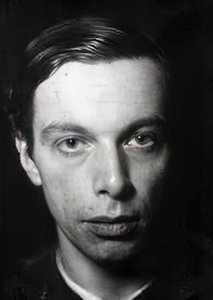
1880 - 1938 , Գերմանիա

Explore the profound history and technical mastery of woodcut relief printing. From ancient origins to German Expressionism, discover how artists use the subtractive process to create iconic works. A definitive guide for art students, collectors, and historians.

Discover the technical mastery behind Most-Famous-Paintings.com's premium Giclée canvas prints. Our guide for elite collectors explores archival pigment inks, museum-grade substrates, and the science of high-fidelity reproduction to ensure lasting beauty and historical accuracy.


Sekite naujausias meno naujienas, išskirtinius pasiūlymus ir dekoravimo idėjas.
Pasakokite mums apie savo projektą, o mūsų meno ekspertai parengs jums 3 asmeniškus meno pasiūlymus.
Leiskite mums parinkti 3 variantus būtent jums – nemokamai!


 Peržiūrėti realybėje
 Pasidalinti
 Dalintis
 Išsamiau

 Atsisiųsti
 Panašūs eksponatai
 Rentgeno nuotrauka
 Automatinė diorama
 Skaityti daugiau







 Stiklo variantas prieinamas tik pasirinkus dydį iki 110 cm


