x

 Užsisakyti kopiją Pirkti skaitmeninį paveikslą
 Pasidalinti
 Išsamiau
 Pridėti į mėgstamiausius
 Atsisiųsti
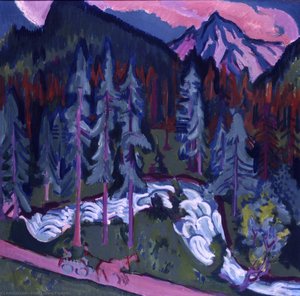
 Panašūs eksponatai
 Rentgeno nuotrauka
 Automatinė diorama
Muziejų lygio „giclée“ arba drobos spausdinimas: greita gamyba ir lankstios apdailos parinktys.





























Pasirinkite iš mūsų nustatytų dydžių, atitinkančių originalaus meno kūrinio proporcijas.

Galite nurodyti savo matmenis, kad vaizdas atitiktų konkretų rėmą ar erdvę. Jei pasirinktas dydis nesutaps su originalaus paveikslėlio proporcijomis, mes arba apkirpsime kūrinį, arba išplėsime vaizdą naudojant veideliu atspindėtą arba vientisą šoną. Skaitmeninis maketas bus išsiųstas jums patvirtinti prieš pradedant gamybą.
Atkreipkite dėmesį, kad ekrane matomas vaizdinys neatspindi tikrojo apkirpimo ar išplėtimo. Tik maketas tiksliai parodytų galutinę kompoziciją.
Nors galima rinktis ir individualius dydžius, rekomenduojame pasirinkti vieną iš išanksti nustatytų matmenų, kad būtų išlaikytos originalios proporcijos.
Pristatymas visame pasaulyje () per 2 weeks, o ne įprastas 4/5 savaičių laikotarpis. (22 liepa)


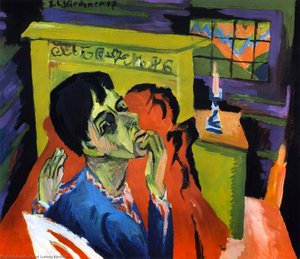
Harem
Reprodukcijos matmenys
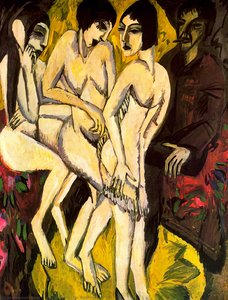
Ernst Ludwig Kirchner’s “Harem,” painted during the heart of German Expressionism’s tumultuous period, isn’t merely a depiction of two nude women; it’s a visceral plunge into the anxieties and psychological complexities of early 20th-century Europe. Born in Aschaffenburg in 1880, Kirchner's life was marked by constant relocation and a profound sense of alienation – experiences that directly informed his art. Rejecting the rigid formalism of academic painting, he embraced a style characterized by distorted forms, jarring color palettes, and an urgent need to convey raw emotion rather than objective reality. “Harem” exemplifies this approach with breathtaking intensity.
Kirchner's masterful use of color is central to the painting’s power. He employs a deliberately limited palette – primarily shades of orange, pink, blue, and green – but manipulates these hues with an almost obsessive intensity. The dominant oranges and pinks evoke warmth, passion, and perhaps even danger, while the blues introduce a note of melancholy or introspection. These colors aren't simply descriptive; they are emotionally charged, reflecting the artist’s subjective experience of the scene. The strategic use of shadow further amplifies this effect, creating dramatic contrasts that heighten the sense of unease and psychological depth.
"Harem" was created during a period of immense social and political upheaval in Germany. The rise of industrialization, urbanization, and new philosophical ideas were challenging traditional values and fostering a sense of disorientation. Kirchner’s work reflects this broader cultural anxiety, capturing the feeling of alienation and uncertainty that characterized the era. Symbolically, the colors themselves carry significant weight – orange representing warmth and passion, pink suggesting vulnerability and beauty, while blue conveys a sense of melancholy or introspection. The painting can be interpreted as a commentary on the changing role of women in society and the psychological toll of modernity.
Kirchner’s “Harem” remains a powerfully evocative work of art, demonstrating his mastery of Expressionist techniques and his ability to translate personal anxieties into universal themes. Its raw emotional intensity continues to resonate with viewers today, solidifying its place as a pivotal piece in the history of modern art. A hand-painted reproduction offers an unparalleled opportunity to experience this masterpiece firsthand, bringing Kirchner’s vision – and the turbulent spirit of German Expressionism – directly into your space.

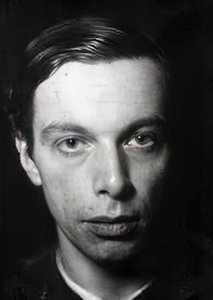
1880 - 1938 , Գերմանիա
Explore the powerful world of Figurative Expressionism with Most-Famous-Paintings. Discover key artists like Kirchner & Beckmann, understand its emotional depth, and learn how to collect this influential 20th-century art movement.

Explore the rich history of figure painting & sculpture! Discover classical masterpieces, modern interpretations, and expert insights for art lovers & collectors. Most-Famous-Paintings offers museum-quality reproductions.

Explore the rich history of figure painting from antiquity to the Renaissance! Discover iconic artworks, masterful techniques & enduring symbolism. Find museum-quality reproductions at Most-Famous-Paintings.
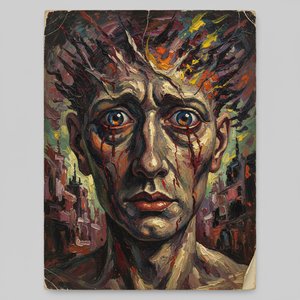
Explore the powerful world of Expressionism with Most-Famous-Paintings. Discover key artists like Kirchner & Nolde, understand its emotional impact, and learn about this revolutionary art movement's lasting legacy. Handmade oil paintings available.
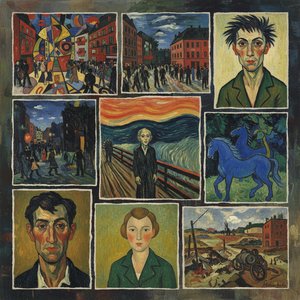
Explore 10 Expressionist paintings that revolutionized art! Discover Munch, Kirchner & Kandinsky's iconic works. Find museum-quality reproductions and vibrant canvas prints to elevate your home decor on Most-Famous-Paintings.com.


Sekite naujausias meno naujienas, išskirtinius pasiūlymus ir dekoravimo idėjas.
Pasakokite mums apie savo projektą, o mūsų meno ekspertai parengs jums 3 asmeniškus meno pasiūlymus.
Leiskite mums parinkti 3 variantus būtent jums – nemokamai!


 Dalintis


 Skaityti daugiau







 Stiklo variantas prieinamas tik pasirinkus dydį iki 110 cm