


x

 Oil On CanvasWallArtGerman Expressionism
 193119th Century
 200.0 x 150.0 cm
Rankiniu būdu tapytas aliejus ant droblio jūsų pageidaujamame dydį ir rėmuose – mūsų menininkų darbas pagal užsakymą. ( Pirkti spaudinį Pirkti vaizdą)





























Pasirinkite iš mūsų nustatytų dydžių, atitinkančių originalaus meno kūrinio proporcijas.

Galite įvesti savo matmenis, kad jie atitiktų konkretų rėmą ar erdvę. Jei pasirinktas dydis neatitinka originalaus paveikslėlio proporcijų, mes arba apkropsime meno kūrinį, arba papildysime tapybą rankomis dažytい elementais. Prieš pradėdami gamybą, jūsų patvirtinimui atsiųsime skaitmeninį maketą.
Atkreipkite dėmesį, kad ekrane rodomas vaizdas neatspindi tikrojo apkarpymo ar papildymo. Tik maketas tiksliai parodys galutinę kompoziciją.
Nors galima rinktis ir individualius dydžius, rekomenduojame pasirinkti matmenis iš nustatytos sąrašo, kad būtų išlaikytos originalios proporcijos.
Pristatymas visame pasaulyje () per 3–4 savaites, o ne įprastai – per 5 savaites. (24 rugpjūtis). Kokybė lieka nepakeičiama.


Reiterin
Reprodukcijos matmenys
Ernst Ludwig Kirchner’s “Reiterin,” painted in 1931 and measuring an imposing 200 x 150 cm, is more than just a depiction of a woman on horseback; it's a visceral plunge into the heart of German Expressionism. Housed within the Kirchner Museum Davos, this artwork embodies the artist’s signature style – a potent blend of bold color, distorted forms, and an unflinching exploration of psychological intensity. The scene unfolds with a dramatic dynamism, capturing a fleeting moment of movement and suggesting a profound sense of isolation and perhaps even unease. Kirchner masterfully utilizes the canvas to convey not just what he sees, but how he *feels* about it – a characteristic hallmark of his artistic vision.
"Reiterin" was created during a period of significant social and political upheaval in Germany. The rise of Expressionism reflected anxieties about modernity, industrialization, and the perceived loss of traditional values. Kirchner’s work can be interpreted as a response to these concerns, portraying a world fractured by alienation and uncertainty. The woman on horseback, a recurring motif in Kirchner's oeuvre, often represents a solitary figure struggling against an overwhelming environment – a symbol of individual resistance or perhaps even despair. The setting itself, seemingly desolate and devoid of human connection, reinforces this interpretation.
“Reiterin” is not a comfortable painting; it’s deliberately unsettling. Kirchner doesn't offer easy answers or resolutions. Instead, he forces the viewer to confront uncomfortable emotions – loneliness, anxiety, and perhaps even a sense of impending doom. This raw emotional honesty is what makes the work so compelling and enduring. It stands as a testament to Kirchner’s ability to translate personal turmoil into a universally resonant artistic statement. Its influence can be seen in subsequent generations of artists who embraced Expressionism's commitment to subjective experience and its rejection of academic conventions.
None
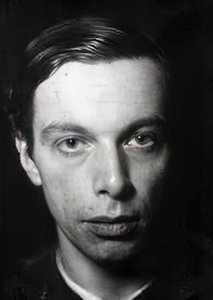
1880 - 1938 , Գերմանիա

Explore the visceral power of German Expressionism. From Ernst Ludwig Kirchner to Die Brücke, discover how bold colors and distorted forms unmask raw human emotion in this expert art history guide for collectors and enthusiasts.

Explore the profound emotional depth of Expressionist portraiture. From Edvard Munch to Francis Bacon, discover how masters used distortion and color to reveal inner truths. Learn about this pivotal movement and find museum-quality oil reproductions for your collection.


Sekite naujausias meno naujienas, išskirtinius pasiūlymus ir dekoravimo idėjas.
Pasakokite mums apie savo projektą, o mūsų meno ekspertai parengs jums 3 asmeniškus meno pasiūlymus.
Leiskite mums parinkti 3 variantus būtent jums – nemokamai!


 Peržiūrėti realybėje
 Pasidalinti
 Dalintis
 Išsamiau

 Atsisiųsti
 Panašūs eksponatai
 Rentgeno nuotrauka
 Automatinė diorama
 Skaityti daugiau







 Stiklo variantas prieinamas tik pasirinkus dydį iki 110 cm


