


x

Rankiniu būdu tapytas aliejus ant droblio jūsų pageidaujamame dydį ir rėmuose – mūsų menininkų darbas pagal užsakymą. ( Pirkti spaudinį Pirkti vaizdą)





























Pasirinkite iš mūsų nustatytų dydžių, atitinkančių originalaus meno kūrinio proporcijas.

Galite įvesti savo matmenis, kad jie atitiktų konkretų rėmą ar erdvę. Jei pasirinktas dydis neatitinka originalaus paveikslėlio proporcijų, mes arba apkropsime meno kūrinį, arba papildysime tapybą rankomis dažytい elementais. Prieš pradėdami gamybą, jūsų patvirtinimui atsiųsime skaitmeninį maketą.
Atkreipkite dėmesį, kad ekrane rodomas vaizdas neatspindi tikrojo apkarpymo ar papildymo. Tik maketas tiksliai parodys galutinę kompoziciją.
Nors galima rinktis ir individualius dydžius, rekomenduojame pasirinkti matmenis iš nustatytos sąrašo, kad būtų išlaikytos originalios proporcijos.
Pristatymas visame pasaulyje () per 3–4 savaites, o ne įprastai – per 5 savaites. (23 rugpjūtis). Kokybė lieka nepakeičiama.


Sailing in Fehmarn
Reprodukcijos matmenys
Ernst Ludwig Kirchner’s “Sailing in Fehmarn” isn't merely a depiction of a boat on the water; it’s a visceral plunge into the anxieties and uncertainties that defined the early 20th century. Executed with the characteristic boldness and distortion of German Expressionism, this woodcut print immediately commands attention with its stark contrasts and dynamic composition. The scene unfolds as a moment of intense drama – a vessel battling unseen forces within a turbulent sea, mirroring perhaps the broader societal upheaval brewing beneath the surface of Wilhelmine Germany.
Kirchner’s masterful manipulation of line is central to the artwork's impact. Thick, jagged lines define the angular forms of the sail and hull, creating a sense of restless movement that pulls the viewer into the heart of the composition. Hatching and cross-hatching are deployed with deliberate precision, building up tonal variations that contribute significantly to the print’s textural richness – a rough, almost scratchy surface that evokes a feeling of immediacy and raw emotion. The limited palette of black, white, and grey amplifies this intensity, stripping away any illusion of naturalism and forcing us to confront the core emotional content.
The artwork’s technical execution reveals Kirchner's deliberate rejection of traditional perspective. The scene is flattened, with objects compressed and overlapping, creating a disconcerting sense of spatial ambiguity. This distortion isn't accidental; it’s a key element of Expressionism’s goal – to bypass rational representation and directly convey subjective experience. The printmaking process itself—carving lines into a woodblock and then meticulously printing the image—further emphasizes this deliberate manipulation of form. The artist skillfully exploited the inherent qualities of the medium, creating strong contrasts and textures that heighten the emotional impact.
“Sailing in Fehmarn” transcends a simple maritime scene; it’s laden with symbolic weight. The boat itself can be interpreted as representing humanity adrift in a world of increasing complexity and instability. The figures onboard, reduced to simplified forms, suggest a loss of individual identity within the larger currents of society. The overall feeling is one of tension, anxiety, and perhaps even exhilaration – a potent cocktail reflecting Kirchner’s own struggles with mental health and his profound disillusionment with the modern world. This artwork speaks to a deeper human condition—the experience of uncertainty, isolation, and the search for meaning in an increasingly chaotic environment.
Created by Ernst Ludwig Kirchner during a pivotal period in German art history – the early years of Expressionism (1912) – “Sailing in Fehmarn” exemplifies the movement’s core tenets. Kirchner, along with other artists like Emil Nolde and Max Pechstein, sought to break free from academic conventions and explore the darker aspects of human experience through intensely emotional imagery. This work is a testament to his commitment to portraying not what he *saw*, but what he *felt* – a deeply personal and profoundly influential contribution to the development of modern art.

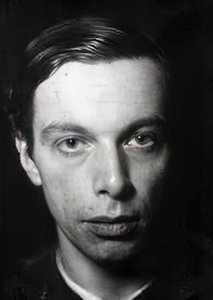
1880 - 1938 , Գերմանիա

Explore the profound history and technical mastery of woodcut relief printing. From ancient origins to German Expressionism, discover how artists use the subtractive process to create iconic works. A definitive guide for art students, collectors, and historians.


Sekite naujausias meno naujienas, išskirtinius pasiūlymus ir dekoravimo idėjas.
Pasakokite mums apie savo projektą, o mūsų meno ekspertai parengs jums 3 asmeniškus meno pasiūlymus.
Leiskite mums parinkti 3 variantus būtent jums – nemokamai!


 Peržiūrėti realybėje
 Pasidalinti
 Dalintis
 Išsamiau

 Atsisiųsti
 Panašūs eksponatai
 Rentgeno nuotrauka
 Automatinė diorama

 Skaityti daugiau







 Stiklo variantas prieinamas tik pasirinkus dydį iki 110 cm


