
Parduokite savo kūrybą
Trokimų sąrašas Prekių krepšelis Cart
x
Peržiūrėti realybėjePeržiūrėti realybėje Peržiūrėti ARPeržiūrėti AR Pirkti spaudinį Pirkti spaudinįPirkti rankomis tapytą paveikslą Pirkti rankomis tapytą paveikslą PasidalintiPasidalinti
IšsamiauIšsamiau Pridėti į mėgstamiausius Pridėti į mėgstamiausius AtsisiųstiAtsisiųsti Panašūs eksponataiPanašūs eksponatai Rentgeno nuotraukaRentgeno nuotrauka Automatinė dioramaAutomatinė diorama

The wanderer

Delve into Kirchner's 'The Wanderer,' an Expressionist masterpiece of isolation and dread. Dark hues, turbulent landscapes & a haunting figure evoke existential unease.

Ernst Ludwig Kirchneris (1880–1938) – žymusis Vokietijos ekspresionistas ir Die Brücke steigėjas. Išsiaiškinti jo ryškiusius emocijas iškviečiančius paveikslų kūriniais apie Berlyną, nuskaidrusis meno stiliumi ir istorinės reikšmės kontekstu.

Įsigykite aukštos skiriamosios raiškos, patobulintą skaitmeninį vaizdą, gerokai pranašesnį už internetinę peržiūrą.

Kiekvieną failą mūsų specialistai kruopščiai paruošia naudojant pažangias technologijas ir profesionalų rankinį retušavimą. Užtikriname, kad kiekvienas vaizdas pasižymėtų išskirtiniu aiškumu, tikslia spalvų atspalviu ir smulkiomis detalėmis.

Baigiamas failas el. paštu pristatomas per 72 valandas; jis optimizuotas nedelsiant naudojimui profesionalioje, redakcinėje ir spausdinimo aplinkoje. Tai ta pati kokybė, kuria pasitiki aukščiausios klasės dizaino studijos, leidyklos ir galerijos.

Skaitmeninis vaizdas

Atsisiųskite didelės raiškos failą asmeniniam naudojimui, spausdinimui ir kūrybiniams projektams. (Pirkti spaudinį Pirkti spaudinįPirkti rankomis tapytą paveikslą Pirkti rankomis tapytą paveikslą)

Visų sumos kaina

$ 24,90

Kiekvieną skaitinio vaizdo užsakymą papildė

Profesionalus skaitmeninis pristatymas, garantuotas

Pasirinkę Most-Famous-Paintings.com, jūs ne tik gaunate paveikslėlį – jūs gaunate profesionaliai patobudintą skaitmeninį kūrinį, sukurtą itin tikniai ir užtikrinantį pasitenkinimą. Štai viską, kas automatiškai pritékia jūsų užsakymui:

shipping_icon
Greitas siuntimas el. paštu

Jūsų aukštos raiškos skaitmeninis vaizdo failas bus išsiųstas jums el. paštu per 72 valaudas nuo užsakymo – paruoštas naudojimui be jokių papildomų veiksmų.

canvas_icon
Skaitmeninis failas su dirbtiniu intelektu

Jūsų meno kūrinys profesionaliai optimizuojamas naudojant pažangius dirbtinio intelekto įrankius ir rankinį redagavimą, užtikrinant maksimalią detalę, aiškumą ir spalvų tikslumą.

insurance_icon
Nemokamas visam laikui pakartotinis siuntimas

Atsitiktinai ištrytikote ar praradote savo failą? Nebijokite – bet kuriuo metu atsiųsime jį jums vėl nemokamai.

tax_icon
Jokio importo mokesčio – niekada

Mėgaukitės savo meno kūriniu akimirka – skaitiniai failai visada yra neapmokestinami, todėl nereikės mokėti muitinės, mokesčių ar pristatymo mokesčių.

color_icon
Spalvų tikslumo garantija

Naudodami profesionalią įrangą ir spalvų valdymo sistemas, užtikriname, kad jūsų skaitmeninis vaizdas kuo tiksliau atspindėtų originalias spalvas.

return_icon
60 dienų pasitenkinimo garantija

Jei nebuvate patenkinti savo skaitinio vaizdo, per 60 dienų jį pertaisysime arba grąkinsime 100% sumą – be jokių klausimų.

guarantee_icon
100% pinigų grąžinimo garantija

Nepat 만족inti? Gaukite visą sumokėtą sumą per 60 dienų nuo skaitmeninio failo gavimo – be jokių papildomų klausimų.

discount_icon
Nuolaidos dideliems užsakymams

Pirkti 3 nuotraukas – pasiūla 10% - Pirkti 5 – pasiūla 15% - Pirkti 10 ir daugiau – pasiūla 20%. Puikiai tinka kūrybiniams projektams, galerijoms bei agentūroms.

Trumpos informacija

  • Artist: Ernst Ludwig Kirchner
  • Notable elements or techniques:
    • Dark colors
    • Swirling forms
    • Imposto texture
  • Subject or theme: Human isolation, existential dread
  • Title: The Wanderer
  • Medium: Oil on canvas
  • Movement: Expressionism

Karo viktorina

Kiekviename klausime yra tik vienas teisingas atsakymas.

Klausimas 1:
What artistic movement is "The Wanderer" most closely associated with?
Klausimas 2:
Describe the overall mood or feeling conveyed by the artwork’s color palette and composition.
Klausimas 3:
Ernst Ludwig Kirchner was a founding member of which influential artist group?
Klausimas 4:
What is the most likely function or purpose of the rectangular structure depicted in the artwork’s foreground?
Klausimas 5:
How does the artist utilize brushstrokes and texture in "The Wanderer"?

Kolekcinio objekto aprašymas

A Journey into Existential Isolation: Exploring Kirchner's "The Wanderer"

This striking artwork by Ernst Ludwig Kirchner embodies the anxieties of a rapidly changing world at the dawn of the 20th century. “The Wanderer” presents a solitary figure, dwarfed by a looming structure and set against a turbulent landscape that mirrors an inner turmoil. The scene is not one of peaceful exploration but rather a confrontation with isolation and perhaps existential dread. Kirchner masterfully uses color and form to evoke a powerful emotional response in the viewer, drawing us into the wanderer’s unsettling experience.

Expressionist Style and Technique

“The Wanderer” is a quintessential example of German Expressionism, a movement characterized by its rejection of representational accuracy in favor of conveying subjective emotions and experiences. Kirchner, alongside his colleagues in *Die Brücke* (The Bridge), sought to express the raw, often unsettling realities of modern life. The painting’s style is immediately recognizable through its:
  • Bold Color Palette: Dominated by dark, swirling hues – deep blues, greens, and browns – punctuated by an intense orange glow emanating from within the structure. This creates a stark contrast that amplifies the sense of unease.
  • Distorted Forms: The figure is elongated and somewhat distorted, reflecting emotional strain rather than physical reality. The landscape itself is rendered with undulating lines and shapes, contributing to the overall feeling of instability.
  • Impasto Technique: Kirchner’s application of paint is thick and textured (impasto), adding a tactile quality that further emphasizes the painting's emotional intensity. Visible brushstrokes contribute to the dynamism and energy of the scene.
The flattened perspective, lacking traditional depth cues, intensifies the claustrophobic atmosphere, trapping both the wanderer and the viewer within the composition.

Symbolism and Historical Context

Created during a period of significant social and political upheaval in Germany – marked by rapid industrialization, urbanization, and growing anxieties about modernity – “The Wanderer” reflects these broader cultural concerns. The painting’s symbolism is open to interpretation but likely speaks to:
  • The Structure: The imposing rectangular structure could represent societal constraints, institutions, or even the individual's own psychological barriers. Its orange glow might symbolize a false promise of warmth or security.
  • The Wanderer: Represents the alienated individual adrift in a modern world, struggling to find meaning and connection. The somber expression conveys a sense of loneliness and uncertainty.
  • The Landscape: The turbulent hills and stormy skies mirror the inner turmoil of the wanderer and reflect the broader anxieties of the era.
*Die Brücke*, founded in 1905, aimed to bridge the gap between traditional art and modern life, often depicting themes of alienation, urban decay, and psychological distress. Kirchner’s work within this group was instrumental in shaping the Expressionist movement.

Emotional Impact and Lasting Legacy

“The Wanderer” is not a painting that offers easy answers or comforting resolutions. Instead, it confronts viewers with uncomfortable truths about human existence – isolation, anxiety, and the search for meaning in a chaotic world. The artwork’s enduring power lies in its ability to evoke these emotions so viscerally, resonating with audiences across generations. Owning a reproduction of “The Wanderer” is not simply acquiring a piece of art; it's inviting a profound exploration of the human condition into your space – a conversation starter and a source of contemplative reflection.

Autoriaus biografija

Ernst Ludwig Kirchner (1880–1938): A Life Forged in Expression

Ernst Ludwig Kirchner, a name inextricably linked to the visceral heart of German Expressionism, wasn’t merely an artist; he was a conduit for anxieties simmering beneath the surface of early 20th-century Europe. Born into Bavaria's Aschaffenburg in 1880, his formative years were shaped by familial mobility – a constant shifting of landscapes dictated by his father’s profession as a paper scientist – fostering within him an inherent sense of displacement that would become a defining characteristic of his oeuvre. From Frankfurt to Perlen and finally settling in Chemnitz, Kirchner absorbed the palpable unease of a nation undergoing rapid modernization, imbibing influences from both philosophical currents and artistic precedents. Initially pursuing architecture at Dresden’s Königliche Technische Hochschule, he swiftly recognized painting as his true vocation—a path illuminated by admiration for masters like Albrecht Dürer and fueled by a resolute rejection of academic formalism. He found solace and camaraderie amongst fellow rebels – Fritz Bleyl, Karl Schmidt-Rottluff, Erich Heckel – forging bonds that would irrevocably alter the trajectory of twentieth-century art history.

The Genesis of Expression: Early Influences & Artistic Formation

Kirchner’s artistic journey began with a profound engagement with nature and observation—a habit instilled by his childhood spent amidst Bavaria's rolling hills. His father’s profession provided him with invaluable insight into the industrial landscape, shaping his worldview and informing his artistic sensibility. He honed his skills at Dresden’s Hochschule für Grafik und Buchdruckschule (School of Graphic Arts), immersing himself in draughtsmanship and perspective drawing—disciplines that would serve as foundational tools for his subsequent explorations. Crucially, Kirchner encountered kindred spirits who shared a fervent belief in the transformative power of art—particularly Fritz Bleyl, Karl Schmidt-Rottluff and Erich Heckel—who would become instrumental in establishing *Die Brücke*, an artistic collective dedicated to shattering conventional aesthetic boundaries. This formative encounter ignited his passion for experimentation and cemented his commitment to confronting societal anxieties through visual language. The influence of Dürer’s meticulous detail and compositional rigor, alongside the expressive dynamism of Vincent van Gogh's brushstrokes—particularly in his depiction of swirling skies—provided Kirchner with invaluable stylistic models.

Die Brücke: A Revolt Against Tradition

In 1905, Kirchner joined *Die Brücke* (“The Bridge”), a revolutionary artistic alliance that fundamentally challenged the prevailing aesthetic norms of German art. Alongside Bleyl, Schmidt-Rottluff and Heckel, Kirchner sought inspiration from sources deemed unacceptable by the established art world—primitive art from Africa and Oceania, mirroring the stylistic impulses of Edvard Munch—and championed bold color palettes and distorted forms as vehicles for conveying psychological turmoil. Rejecting idealized beauty, *Die Brücke* artists embraced dissonance and fragmentation to capture the anxieties inherent in modern urban life. Their manifesto declared a rejection of academic conventions and an affirmation of subjective experience—a stance that resonated deeply with Kirchner’s own worldview. The group's exploration of themes like loneliness, alienation and psychological instability reflected the broader cultural anxieties of the era. Notable works from this period include *The Street* (1908), which powerfully portrays the oppressive atmosphere of Berlin’s urban sprawl and captures the emotional detachment experienced by its inhabitants—a testament to Kirchner’s ability to distill complex psychological states into striking visual imagery.

Exploring Form & Emotion: Kirchner's Distinctive Style

Kirchner’s artistic style is instantly recognizable for its distinctive characteristics—primarily his masterful manipulation of color and brushstroke. He eschewed naturalistic representation, prioritizing emotional impact over accurate depiction—a deliberate rejection of Impressionist ideals. His palette employed vibrant hues that pulsed with intensity, mirroring the turbulent inner landscape he sought to convey. Kirchner’s brushstrokes were energetic and visible, contributing to a palpable sense of immediacy and dynamism—a technique honed through meticulous observation and experimentation. Figures and objects were frequently distorted or elongated, reflecting a subjective rather than objective reality—a stylistic choice that underscored his belief in portraying psychological truths. He drew inspiration from Henri Matisse's use of flattened planes of color and simplified forms, mirroring the stylistic impulses of Fauvism. Furthermore, Kirchner’s fascination with primitive art—particularly sculptures from Africa and Oceania—influenced his approach to form and texture—demonstrating a desire to reconnect with primal energies and reject academic conventions.

Legacy & Recognition: A Lasting Influence

Kirchner's artistic legacy extends far beyond the confines of Expressionism, influencing subsequent generations of artists who embraced bold experimentation and psychological depth. His unflinching portrayal of human experience—characterized by vulnerability, anxiety and a yearning for authenticity—continues to resonate powerfully with contemporary audiences. Despite facing persecution during the Nazi regime—where over 600 of his works were confiscated and deemed “degenerate”—Kirchner’s uncompromising artistic vision endured, securing him a prominent place in art history. His enduring influence can be seen in the work of artists across diverse mediums—from painting to sculpture to printmaking—solidifying his position as one of Germany's most significant modernist figures. Ernst Ludwig Kirchner died tragically in Davos, Switzerland, in 1938—a poignant reminder of the devastating consequences of artistic repression and a testament to the enduring power of art to confront societal injustices.
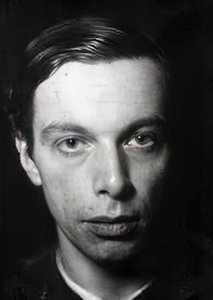
Ernstas Ludvigas Kiršianas

Ernstas Ludvigas Kiršianas

1880 - 1938 , Գերմանիա

Trumpai apie šį kūrėją

  • Artistic Movement Or Style: Expressionism
  • Artists Who Influenced This Artist:
    • Albrecht Dürer
    • Vincent van Gogh
    • Edvard Munch
  • Date Of Birth: 6 Mai 1880
  • Date Of Death: 15 Gruodžio 1938
  • Full Name: Ernst Ludwig Kirchner
  • Nationality: Germania
  • Notable Artworks:
    • The Street (1908)
    • Leaping Dancer (1912)
    • Self-Portrait (1910)
  • Place Of Birth: Aschaffenburg, Germania

