x

 62.0 x 75.0 cm
Muziejų lygio „giclée“ arba drobos spausdinimas: greita gamyba ir lankstios apdailos parinktys. ( Pirkti rankomis tapytą paveikslą Pirkti vaizdą)
Pasirinkite iš mūsų nustatytų dydžių, atitinkančių originalaus meno kūrinio proporcijas.

Galite nurodyti savo matmenis, kad vaizdas atitiktų konkretų rėmą ar erdvę. Jei pasirinktas dydis nesutaps su originalaus paveikslėlio proporcijomis, mes arba apkirpsime kūrinį, arba išplėsime vaizdą naudojant veideliu atspindėtą arba vientisą šoną. Skaitmeninis maketas bus išsiųstas jums patvirtinti prieš pradedant gamybą.
Atkreipkite dėmesį, kad ekrane matomas vaizdinys neatspindi tikrojo apkirpimo ar išplėtimo. Tik maketas tiksliai parodytų galutinę kompoziciją.
Nors galima rinktis ir individualius dydžius, rekomenduojame pasirinkti vieną iš išanksti nustatytų matmenų, kad būtų išlaikytos originalios proporcijos.
Pristatymas visame pasaulyje () per 2 weeks, o ne įprastas 4/5 savaičių laikotarpis. (20 rugpjūtis)


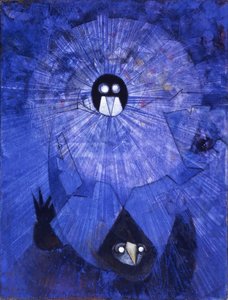
The River
Reprodukcijos matmenys

Esther Margaret Grainger (1912–1990) stands as a remarkable figure in Welsh art history—a painter deeply rooted in the landscape traditions of her homeland yet passionately committed to fostering artistic creativity within underserved communities. Her life’s work embodies a synthesis of meticulous observation and humanist concern, resulting in paintings that capture both the beauty of Welsh scenery and the spirit of collaborative endeavor.
Born in Cardiff, Grainger’s formative years were marked by a privileged education—a scholarship to Howell’s School instilled in her a foundational understanding of artistic principles. This academic grounding complemented practical training at Cardiff School of Art under William Pickles, Heinz Koppel and George Mayer-Marton, exposing her to diverse stylistic approaches.
Her involvement with the Pontypridd Settlement proved pivotal, shaping not only her artistic practice but also her worldview. Collaborating closely with Cedric Morris and John Dennithorne, Grainger championed the idea that art could empower individuals facing hardship—organizing painting classes and exhibitions aimed at enriching the lives of unemployed miners’ families. This dedication to social engagement profoundly influenced her aesthetic sensibilities.
Grainger's artistic style evolved over time, reflecting influences from Impressionism and Celtic Art. She favored watercolor as her medium, skillfully blending pigments to achieve luminous effects that conveyed the subtle nuances of Welsh light and color. Her landscapes—particularly depictions of Snowdonia and the Lleyn Peninsula—are characterized by a quiet confidence and an unwavering attention to detail—capturing textures and atmospheric conditions with remarkable accuracy.
Throughout her career, Grainger’s work gained recognition within Wales and beyond. Exhibitions at venues like Newport Museum and Art Gallery, Cardiff University and Colchester showcased her distinctive vision—demonstrating a commitment to both artistic excellence and social responsibility. Her legacy continues to inspire artists and educators alike, reminding us of the transformative power of art as a tool for fostering empathy and enriching human experience.
Her paintings—such as “The Orchard, Summer” and “Ryder Street”—remain treasured examples of Welsh Impressionism, embodying Grainger’s belief that art could illuminate the human condition while celebrating the splendor of the natural world.


Sekite naujausias meno naujienas, išskirtinius pasiūlymus ir dekoravimo idėjas.
Pasakokite mums apie savo projektą, o mūsų meno ekspertai parengs jums 3 asmeniškus meno pasiūlymus.
Leiskite mums parinkti 3 variantus būtent jums – nemokamai!


 Peržiūrėti realybėje
 Pasidalinti
 Dalintis
 Išsamiau

 Atsisiųsti
 Panašūs eksponatai
 Rentgeno nuotrauka
 Automatinė diorama
 Skaityti daugiau




































 Stiklo variantas prieinamas tik pasirinkus dydį iki 110 cm