


x
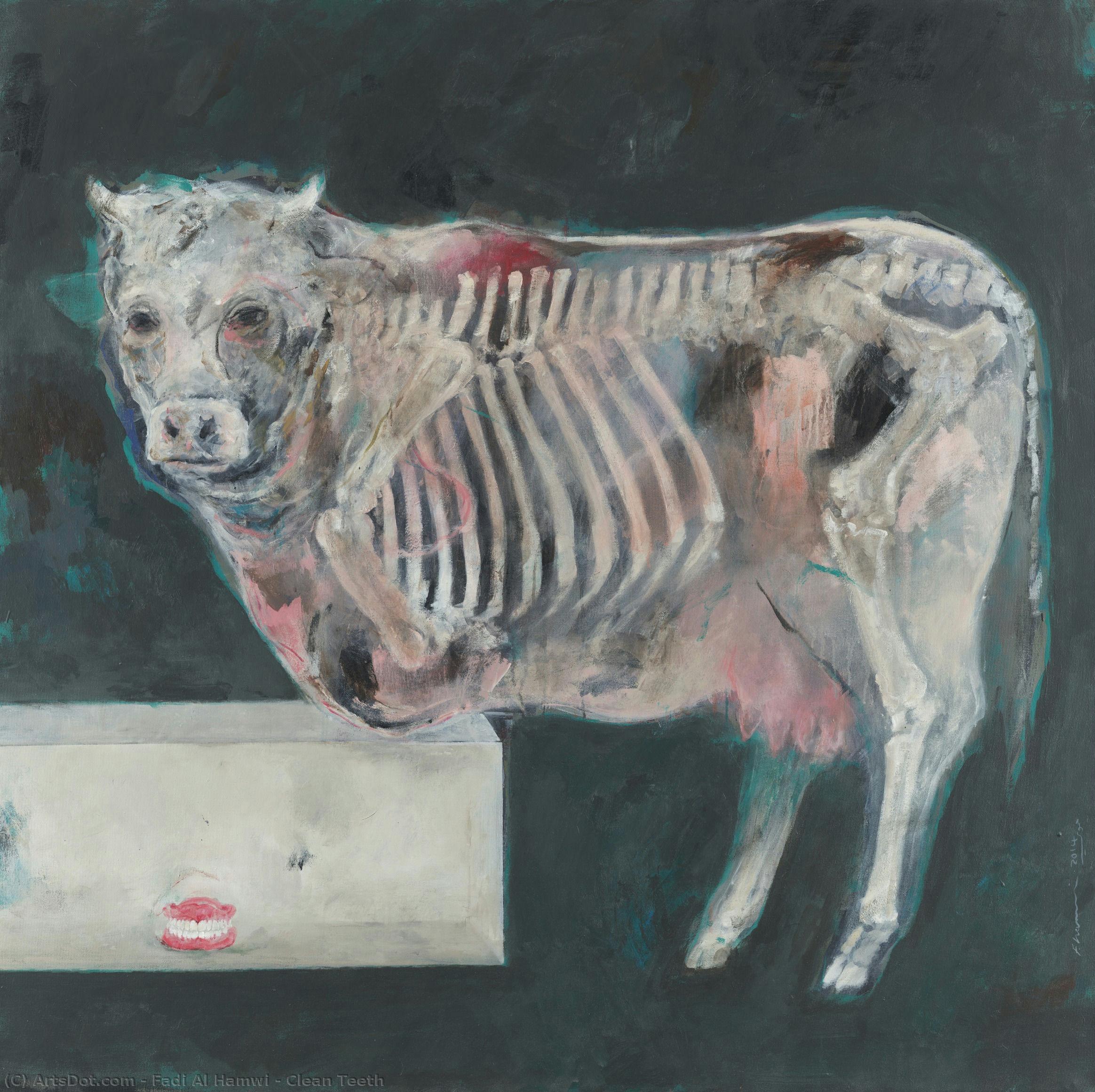
 150.0 x 150.0 cm
 Barjeel Art Foundation
Įsigykite aukštos skiriamosios raiškos, patobulintą skaitmeninį vaizdą, gerokai pranašesnį už internetinę peržiūrą.
Kiekvieną failą mūsų specialistai kruopščiai paruošia naudojant pažangias technologijas ir profesionalų rankinį retušavimą. Užtikriname, kad kiekvienas vaizdas pasižymėtų išskirtiniu aiškumu, tikslia spalvų atspalviu ir smulkiomis detalėmis.
Baigiamas failas el. paštu pristatomas per 72 valandas; jis optimizuotas nedelsiant naudojimui profesionalioje, redakcinėje ir spausdinimo aplinkoje. Tai ta pati kokybė, kuria pasitiki aukščiausios klasės dizaino studijos, leidyklos ir galerijos.
Atsisiųskite didelės raiškos failą asmeniniam naudojimui, spausdinimui ir kūrybiniams projektams. ( Pirkti spaudinį Pirkti rankomis tapytą paveikslą)
Pasirinkę Most-Famous-Paintings.com, jūs ne tik gaunate paveikslėlį – jūs gaunate profesionaliai patobudintą skaitmeninį kūrinį, sukurtą itin tikniai ir užtikrinantį pasitenkinimą. Štai viską, kas automatiškai pritékia jūsų užsakymui:

Jūsų aukštos raiškos skaitmeninis vaizdo failas bus išsiųstas jums el. paštu per 72 valaudas nuo užsakymo – paruoštas naudojimui be jokių papildomų veiksmų.

Jūsų meno kūrinys profesionaliai optimizuojamas naudojant pažangius dirbtinio intelekto įrankius ir rankinį redagavimą, užtikrinant maksimalią detalę, aiškumą ir spalvų tikslumą.

Atsitiktinai ištrytikote ar praradote savo failą? Nebijokite – bet kuriuo metu atsiųsime jį jums vėl nemokamai.

Mėgaukitės savo meno kūriniu akimirka – skaitiniai failai visada yra neapmokestinami, todėl nereikės mokėti muitinės, mokesčių ar pristatymo mokesčių.

Naudodami profesionalią įrangą ir spalvų valdymo sistemas, užtikriname, kad jūsų skaitmeninis vaizdas kuo tiksliau atspindėtų originalias spalvas.

Jei nebuvate patenkinti savo skaitinio vaizdo, per 60 dienų jį pertaisysime arba grąkinsime 100% sumą – be jokių klausimų.

Nepat 만족inti? Gaukite visą sumokėtą sumą per 60 dienų nuo skaitmeninio failo gavimo – be jokių papildomų klausimų.

Pirkti 3 nuotraukas – pasiūla 10% - Pirkti 5 – pasiūla 15% - Pirkti 10 ir daugiau – pasiūla 20%. Puikiai tinka kūrybiniams projektams, galerijoms bei agentūroms.

Corita McCarthy (1918-1986) wasn’t a name that frequently graced the hallowed halls of traditional art history, yet her vibrant, deceptively simple works have steadily gained recognition as a uniquely American voice in mid-century modernism. Born Jeanne Agnes Corita Kent in Los Angeles, she initially pursued a career as a teacher, a role that profoundly shaped her artistic vision and ultimately became inextricably linked to her creative output. McCarthy’s art wasn't about grand pronouncements or complex narratives; it was an exuberant celebration of everyday life, a joyful exploration of color, pattern, and the inherent beauty found in the mundane.
McCarthy’s early life was marked by a progressive education philosophy instilled by her parents. They ran a school emphasizing hands-on learning and creative expression – a stark contrast to the prevailing educational models of the time. This environment fostered a deep appreciation for process, experimentation, and the inherent value of making. She attended Scripps College in Claremont, California, where she studied art, but it was during her years as a teacher at Gompers High School in Los Angeles that her artistic journey truly began. Observing her students’ creative impulses, their spontaneous drawings and collages, ignited within her a desire to capture this same spirit of playful invention.
Her initial forays into art were largely unschooled – she taught herself printmaking techniques using discarded materials like cardboard boxes, wallpaper scraps, and even old grocery bags. This resourceful approach became a hallmark of her style, reflecting a deliberate rejection of traditional artistic hierarchies and a commitment to utilizing readily available resources. McCarthy’s early works, often referred to as “box prints,” were characterized by their bold color combinations, layered patterns, and a sense of joyful chaos. These weren't meticulously planned compositions; they emerged from a process of intuitive experimentation, mirroring the spirit of her teaching philosophy.
Following her retirement from teaching in 1976, McCarthy dedicated herself fully to her art, establishing a studio in Edmundson, California. This period witnessed a significant shift in her work, moving beyond the purely utilitarian box prints and embracing larger-scale works incorporating silkscreen printing, collage, and found objects. She began to explore themes of community, connection, and the beauty of ordinary moments – subjects deeply rooted in her experiences as an educator.
Influences on McCarthy’s work were diverse and often unexpected. She drew inspiration from children's book illustrations, particularly those of Maurice Sendak, appreciating their ability to convey complex emotions through simple forms and vibrant colors. The works of Josef Albers, with his explorations of color theory and optical illusions, also resonated with her interest in visual perception. However, McCarthy’s style remained distinctly her own – a unique blend of playful experimentation, joyful exuberance, and a profound appreciation for the beauty of everyday life.
McCarthy's process was as central to her art as the finished product. She favored silkscreen printing, a technique that allowed her to create bold, graphic images with precise color control. However, she often layered this with collage elements – scraps of paper, fabric, and other found objects – adding texture and depth to her compositions. Her use of color was particularly striking; she employed a vibrant palette of saturated hues, often juxtaposing unexpected combinations that created a sense of visual excitement.
A key element of her technique involved creating multiple layers within the silkscreen process itself. She would print one image on top of another, building up complex patterns and textures through careful layering and manipulation. This meticulous approach resulted in works that were both visually dynamic and remarkably detailed – a testament to her dedication to craft.
Corita McCarthy’s work has had a lasting impact on contemporary art and design. Her playful, optimistic aesthetic resonated with a generation seeking alternatives to the prevailing seriousness of post-war art. She demonstrated that beauty could be found in unexpected places – in discarded materials, in everyday moments, and in the simple act of making.
Today, McCarthy’s work is exhibited widely in museums and galleries around the world. Her legacy extends beyond her artistic achievements; she remains a powerful advocate for creativity, education, and the transformative power of art. Her insistence on embracing process over product, experimentation over perfection, continues to inspire artists and educators alike – a vibrant reminder that joy and beauty can be found in the most unexpected corners of our lives.

1986 - , Syrian Arab Republic


Sekite naujausias meno naujienas, išskirtinius pasiūlymus ir dekoravimo idėjas.
Pasakokite mums apie savo projektą, o mūsų meno ekspertai parengs jums 3 asmeniškus meno pasiūlymus.
Leiskite mums parinkti 3 variantus būtent jums – nemokamai!


 Peržiūrėti realybėje
 Pasidalinti
 Dalintis
 Išsamiau

 Atsisiųsti
 Panašūs eksponatai
 Rentgeno nuotrauka
 Automatinė diorama
 Skaityti daugiau


