


x


 Acrylic On CanvasWallArtSymbolist Painting
 1901
1901 34.0 x 16.0 cm
 Bosnijos ir Hercegovinos nacionalinė galerija
Rankiniu būdu tapytas aliejus ant droblio jūsų pageidaujamame dydį ir rėmuose – mūsų menininkų darbas pagal užsakymą. ( Perejti prie spausdinimo Perjungti į vaizdą)





























Pasirinkite iš mūsų nustatytų dydžių, atitinkančių originalaus meno kūrinio proporcijas.

Galite įvesti savo matmenis, kad jie atitiktų konkretų rėmą ar erdvę. Jei pasirinktas dydis neatitinka originalaus paveikslėlio proporcijų, mes arba apkropsime meno kūrinį, arba papildysime tapybą rankomis dažytい elementais. Prieš pradėdami gamybą, jūsų patvirtinimui atsiųsime skaitmeninį maketą.
Atkreipkite dėmesį, kad ekrane rodomas vaizdas neatspindi tikrojo apkarpymo ar papildymo. Tik maketas tiksliai parodys galutinę kompoziciją.
Nors galima rinktis ir individualius dydžius, rekomenduojame pasirinkti matmenis iš nustatytos sąrašo, kad būtų išlaikytos originalios proporcijos.
Pristatymas visame pasaulyje () per 3–4 savaites, o ne įprastai – per 5 savaites. (1 rugpjūtis). Kokybė lieka nepakeičiama.


Figure study
Reprodukcijos matmenys
Ferdinand Hodler’s “Figure Study,” painted in 1901, isn’t merely a depiction of a woman; it’s an invitation to pause and contemplate. This deceptively simple composition—a solitary figure bathed in muted tones against a subtly suggested backdrop—holds within it the profound weight of introspection and a quiet yearning for something beyond the immediate. Hodler, a pivotal figure in Swiss Symbolism, masterfully distilled emotion into form, eschewing overt narrative in favor of capturing an internal state. The painting’s power lies not in dramatic action or vibrant color, but in its ability to evoke a sense of serene melancholy and profound stillness—a quality that continues to resonate with viewers over a century later.
Hodler's distinctive style, often referred to as “parallelism,” is immediately apparent in "Figure Study." He employed a delicate pencil technique, layering lines with remarkable precision to create an illusion of depth and form. The figure isn’t rendered with sharp detail; instead, Hodler utilizes broken lines and subtle gradations of tone to suggest volume and texture. Notice how the folds of her garment are delineated not through shading but through carefully placed, almost skeletal, lines—a technique that lends a sense of ethereal fragility to the subject. The limited palette – primarily shades of grey, brown, and ochre – further enhances this effect, creating an atmosphere of quiet contemplation and drawing attention to the interplay of light and shadow. The background is deliberately vague, allowing the viewer’s imagination to fill in the details and contributing to the painting's dreamlike quality.
Born in Bern during a period marked by personal tragedy – the early deaths of his father and brothers – Hodler’s work is deeply informed by themes of loss, mortality, and the search for meaning. “Figure Study” can be interpreted as an embodiment of this inner struggle. The woman's posture—hands clasped together in a gesture of prayer or meditation—suggests a profound connection to something larger than herself. Her upward gaze hints at a yearning for transcendence, while her slightly downturned mouth conveys a subtle sadness. The painting’s overall mood is one of quiet acceptance and resilience, reflecting Hodler's own ability to find beauty and grace amidst personal hardship. The photograph shows the original painting with a similar composition.
Hodler emerged during a vibrant period of artistic innovation in Switzerland, alongside artists like Alberto Cavalli and Giovanni Segantini. Swiss Symbolism sought to move beyond mere representation, aiming instead to capture the subjective experience of reality—the emotions, dreams, and spiritual insights that lie beneath the surface. Hodler’s work aligned with this movement's emphasis on introspection, symbolism, and a rejection of academic realism. His exploration of themes like death, memory, and the relationship between humanity and nature resonated deeply with audiences at the time and continues to hold relevance today. The painting’s creation coincided with a shift in artistic sensibilities, moving away from the rigid conventions of the past towards a more expressive and emotionally charged approach to art.
Ferdinand Hodler's “Figure Study” is a timeless masterpiece that transcends its historical context. A high-quality reproduction captures the essence of this evocative work, allowing you to bring its quiet beauty into your home or office. Whether you are an art enthusiast, a collector seeking to enrich your collection, or simply someone who appreciates exquisite artistry, a hand-painted reproduction of “Figure Study” offers a unique opportunity to connect with one of Switzerland’s most significant artistic voices. Explore our selection of meticulously crafted reproductions today and experience the profound impact of Hodler's vision.


1853 - 1918 , Šveicarija

Atraskite 25 įspūdingiausius Francis Bacon paveikslus! Gilūs portretai, ekspresionizmo spalvos ir sielos gilumos istorijos. Meno kolekcija jūsų interjerui – Most-Famous-Paintings.com.

Atraskite 25 įspūdingiausius Metropoliteno meno muziejaus kūrinius! Claude Monet, van Gogh ir kiti meistrai – paveikslų istorijos, spalvų paletės bei interjero dekoravimo idėjos. Meno reprodukcijos aukščiausia kokybe Most-Famous-Paintings.com
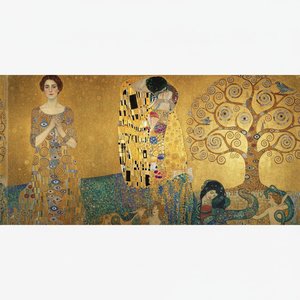
Atraskite 25 įspūdingiausius Gustavo Klimto kūrinius! Išsami analizė, istorijos ir simbolizmas. Įkvėpkite interjerui aukso spalvos paveikslus iš Vienos secesijos laikų. Kokybiškos reprodukcijos – Most-Famous-Paintings.com

Atraskite 25 įspūdingiausius Dante Gabriel Rossetti šedevrus! Išsami analizė, meno istorija ir įkvėpimas interjerui. Reprodukcijos aliejumi – prerafaelitų klasika jūsų namams. Explore the full collection online!

Explore 25 iconic Sir Alfred Munnings paintings! Discover the beauty of British Impressionism, equine art & rural England. Find museum-quality reproductions and elevate your home decor with Most-Famous-Paintings. Explore the full collection online.


Sekite naujausias meno naujienas, išskirtinius pasiūlymus ir dekoravimo idėjas.
Pasakokite mums apie savo projektą, o mūsų meno ekspertai parengs jums 3 asmeniškus meno pasiūlymus.
Leiskite mums parinkti 3 variantus būtent jums – nemokamai!


 Peržiūrėti realybėje
 Pasidalinti
 Dalintis
 Išsamiau

 Atsisiųsti
 Panašūs eksponatai
 Rentgeno nuotrauka
 Automatinė diorama
 Skaityti daugiau







 Stiklo variantas prieinamas tik pasirinkus dydį iki 110 cm


