


x


 Užsisakyti kopiją Pirkti skaitmeninį paveikslą
 Pasidalinti
 Išsamiau
 Pridėti į mėgstamiausius
 Atsisiųsti
 Panašūs eksponatai
 Rentgeno nuotrauka
 Automatinė diorama
 DrawingWallArtSymbolism
 190219th Century
 44.0 x 15.0 cm
 Bosnijos ir Hercegovinos nacionalinė galerija
Muziejų lygio „giclée“ arba drobos spausdinimas: greita gamyba ir lankstios apdailos parinktys.





























Pasirinkite iš mūsų nustatytų dydžių, atitinkančių originalaus meno kūrinio proporcijas.

Galite nurodyti savo matmenis, kad vaizdas atitiktų konkretų rėmą ar erdvę. Jei pasirinktas dydis nesutaps su originalaus paveikslėlio proporcijomis, mes arba apkirpsime kūrinį, arba išplėsime vaizdą naudojant veideliu atspindėtą arba vientisą šoną. Skaitmeninis maketas bus išsiųstas jums patvirtinti prieš pradedant gamybą.
Atkreipkite dėmesį, kad ekrane matomas vaizdinys neatspindi tikrojo apkirpimo ar išplėtimo. Tik maketas tiksliai parodytų galutinę kompoziciją.
Nors galima rinktis ir individualius dydžius, rekomenduojame pasirinkti vieną iš išanksti nustatytų matmenų, kad būtų išlaikytos originalios proporcijos.
Pristatymas visame pasaulyje () per 2 weeks, o ne įprastas 4/5 savaičių laikotarpis. (22 liepa)


Nude study
Reprodukcijos matmenys
To gaze upon Ferdinand Hodler’s "Nude Study" is to encounter a moment suspended between prayer and profound introspection. This drawing, executed in the early years of 1902, transcends the mere depiction of a figure; it captures an internal landscape rendered visible through delicate graphite or charcoal lines. The subject—a solitary nude woman standing before a stark wall—is immediately arresting. Her posture, with hands clasped together and her gaze directed downward, suggests a deep communion, perhaps a moment of quiet supplication or the weighty contemplation that accompanies profound thought. Hodler masterfully isolates this figure against a backdrop that hints at other presences, yet keeps the focus intensely personal, drawing the viewer into the silent drama unfolding within her own spirit.
Hodler’s work is deeply steeped in the currents of Symbolism, an artistic movement fascinated by the unseen realities—dreams, emotions, and spiritual states—rather than just the visible world. In this study, the nude form itself becomes a vehicle for symbolic weight. It is not merely anatomical; it embodies vulnerability, purity, and the enduring human condition grappling with existence. The act of looking down, the gesture of clasped hands, speaks volumes about themes of mortality and spiritual yearning—concerns that permeated Hodler’s life following personal losses in his youth. The surrounding background figures, though less detailed, serve to contextualize her solitude, suggesting that while she is alone in this moment of reflection, she exists within a shared human experience.
The choice of drawing media lends the piece an immediate intimacy. Unlike the permanence of oil paint, the drawn quality allows Hodler to achieve an exquisite delicacy. The lines themselves seem almost breath-like, tracing contours with an economy of effort that speaks to both technical mastery and emotional urgency. This black and white rendering strips away the distraction of color, forcing the viewer’s attention entirely onto value, line weight, and the subtle interplay between light and shadow across the skin and the textured wall behind her. It is a study in restraint, where what is left unsaid—or unpainted—is often the most powerful element.
For those who appreciate art that speaks to the soul rather than just the eye, this reproduction offers an unparalleled opportunity for contemplation. Whether displayed in a gallery setting or as a thoughtful accent piece within a private sanctuary, "Nude Study" introduces an atmosphere of hushed reverence. It invites the collector, the designer, and the admirer alike to pause their daily rush, to consider the weight of quiet moments, and to find beauty in the eloquent silence captured by a master like Hodler.


1853 - 1918 , Šveicarija

Atraskite 25 įspūdingiausius Metropoliteno meno muziejaus kūrinius! Claude Monet, van Gogh ir kiti meistrai – paveikslų istorijos, spalvų paletės bei interjero dekoravimo idėjos. Meno reprodukcijos aukščiausia kokybe Most-Famous-Paintings.com
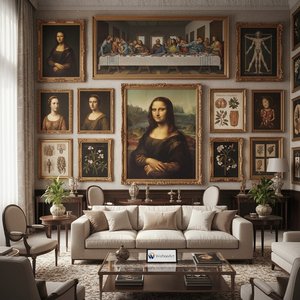
Atraskite 25 Leonardo da Vinci šedevrus! Išsami istorija, technikos paslaptys ir įkvėpimas interjero dekorui. Renesanso meno klasika jūsų namams – aukštos kokybės reprodukcijos Most-Famous-Paintings.com. Explore the full collection online!
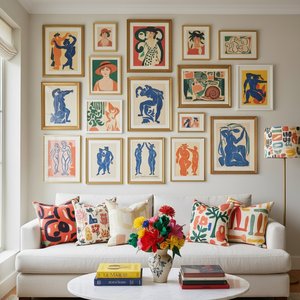
Atraskite 25 įspūdingiausius Henri Matisse šedevrus! Sužinokite apie Fauvizmą, spalvų magiją ir prancūzų dailininko kūrybos istorijas. Meno reprodukcijos jūsų interjerui – Most-Famous-Paintings.com

Explore 25 iconic Sir Alfred Munnings paintings! Discover the beauty of British Impressionism, equine art & rural England. Find museum-quality reproductions and elevate your home decor with Most-Famous-Paintings. Explore the full collection online.

Atraskite Detroito meno instituto 25 geriausius šedevrus! Van Goghas, Monet ir kiti garsūs dailininkai. Tapybos istorijos, interjero dekoravimo idėjos bei aukštos kokybės reprodukcijos Most-Famous-Paintings.com. Explore the full collection online!


Sekite naujausias meno naujienas, išskirtinius pasiūlymus ir dekoravimo idėjas.
Pasakokite mums apie savo projektą, o mūsų meno ekspertai parengs jums 3 asmeniškus meno pasiūlymus.
Leiskite mums parinkti 3 variantus būtent jums – nemokamai!


 Dalintis

 Skaityti daugiau







 Stiklo variantas prieinamas tik pasirinkus dydį iki 110 cm


