


x

 Užsisakyti kopiją Pirkti skaitmeninį paveikslą
 Pasidalinti
 Išsamiau
 Pridėti į mėgstamiausius
 Atsisiųsti
 Panašūs eksponatai
 Rentgeno nuotrauka
 Automatinė diorama
 Oil On CanvasWallArtSymbolism
 190119th Century
 102.0 x 129.0 cm
Muziejų lygio „giclée“ arba drobos spausdinimas: greita gamyba ir lankstios apdailos parinktys.





























Pasirinkite iš mūsų nustatytų dydžių, atitinkančių originalaus meno kūrinio proporcijas.

Galite nurodyti savo matmenis, kad vaizdas atitiktų konkretų rėmą ar erdvę. Jei pasirinktas dydis nesutaps su originalaus paveikslėlio proporcijomis, mes arba apkirpsime kūrinį, arba išplėsime vaizdą naudojant veideliu atspindėtą arba vientisą šoną. Skaitmeninis maketas bus išsiųstas jums patvirtinti prieš pradedant gamybą.
Atkreipkite dėmesį, kad ekrane matomas vaizdinys neatspindi tikrojo apkirpimo ar išplėtimo. Tik maketas tiksliai parodytų galutinę kompoziciją.
Nors galima rinktis ir individualius dydžius, rekomenduojame pasirinkti vieną iš išanksti nustatytų matmenų, kad būtų išlaikytos originalios proporcijos.
Pristatymas visame pasaulyje () per 2 weeks, o ne įprastas 4/5 savaičių laikotarpis. (23 liepa)


Spring
Reprodukcijos matmenys
To gaze upon Ferdinand Hodler’s Spring is to step directly into a moment suspended between dreams and reality. This painting, executed in 1901, is not merely a depiction of nature reviving; it is an eloquent meditation on cyclical life, renewal, and the delicate interplay between humanity and the burgeoning world. The scene unfolds in a sun-drenched field, carpeted with vibrant yellow blossoms that seem to hum with captured sunlight. At its heart are two figures—one seated in quiet contemplation upon the earth, the other standing watchfulness behind them. Their near-nudity strips away artifice, presenting the human form in a state of elemental grace, making the viewer feel an immediate, intimate connection to their vulnerability and repose.
Hodler, deeply influenced by Symbolist currents, imbued his work with profound meaning. The very title, Spring, speaks volumes about rebirth. In art history, spring is rarely just a season; it represents potentiality, the overcoming of winter’s dormancy, and the promise of life renewed. The flowers are not simply decorative accents; they are emblems of fleeting joy and natural abundance. Furthermore, the pairing of the two figures suggests themes of companionship, transition, or perhaps even the soul's journey through time. Hodler often explored mortality in his work, making this depiction of vibrant, almost breathless vitality feel both utterly alive and profoundly transient—a beautiful reminder that all perfect moments must eventually yield to change.
The technical mastery evident in this piece is breathtaking. While the subject matter feels spontaneous and pastoral, the execution speaks to a highly controlled hand. Hodler utilized color with an almost luminous quality; the yellows of the flowers pop against the deeper tones of the earth and the expansive sky, creating a palpable sense of depth. The handling of light seems integral to the composition itself, suggesting that the illumination is not just from the sun, but perhaps from the very spirit of renewal captured on canvas. For those considering a reproduction, one must appreciate how this technique translates—the goal being to capture that ethereal glow and the soft blending of tones that give the scene its dreamlike quality.
For the collector or designer seeking an anchor piece imbued with narrative depth, Spring offers unparalleled emotional resonance. It possesses a serene power—a quiet majesty that can transform any room from mundane to muse-filled. It speaks to the human desire for beauty, connection, and the enduring promise of hope after hardship. Imagine this painting gracing a gallery wall or serving as the focal point in a sunlit drawing-room; it invites pause, contemplation, and a deep breath. It is an artwork that does not shout its message but whispers it gently across centuries, inviting the viewer to reconnect with nature's most enduring magic.


1853 - 1918 , Šveicarija

Atraskite 25 įspūdingiausius Metropoliteno meno muziejaus kūrinius! Claude Monet, van Gogh ir kiti meistrai – paveikslų istorijos, spalvų paletės bei interjero dekoravimo idėjos. Meno reprodukcijos aukščiausia kokybe Most-Famous-Paintings.com
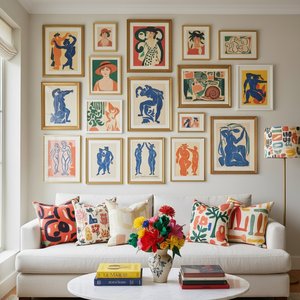
Atraskite 25 įspūdingiausius Henri Matisse šedevrus! Sužinokite apie Fauvizmą, spalvų magiją ir prancūzų dailininko kūrybos istorijas. Meno reprodukcijos jūsų interjerui – Most-Famous-Paintings.com
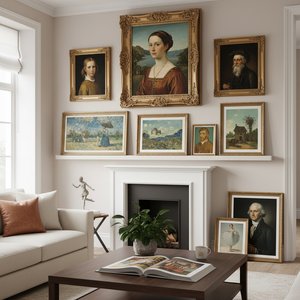
Atraskite 25 Nacionalinės galerijos meno perlus! Išsami istorija apie Monet, Picasso ir kitų žymiausių dailininkų kūrinius. Įkvėpimo interjerui ir aukštos kokybės meno reprodukcijos – Most-Famous-Paintings.com
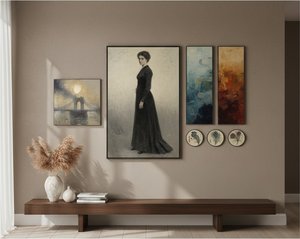
Atraskite 25 įspūdingiausius Džeimso Ebboto Maknilo Vislerio kūrinius! Tonalizmo meistras, noktiurnai ir portretai – meno istorijos šedevrai jūsų interjerui. Pirkti aukštos kokybės reprodukcijas Most-Famous-Paintings.com
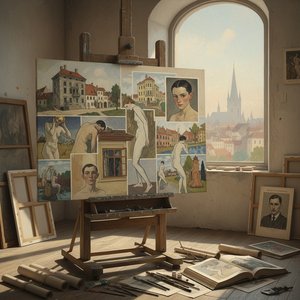
Atraskite 25 įspūdingiausius Egon Schiele šedevrus! Gilinkitės į ekspresionizmo pasaulį, portretų istorijas ir unikalią menininko spalvų paletę. Aukštos kokybės reprodukcijos interjerui – Most-Famous-Paintings.lt


Sekite naujausias meno naujienas, išskirtinius pasiūlymus ir dekoravimo idėjas.
Pasakokite mums apie savo projektą, o mūsų meno ekspertai parengs jums 3 asmeniškus meno pasiūlymus.
Leiskite mums parinkti 3 variantus būtent jums – nemokamai!


 Dalintis

 Skaityti daugiau







 Stiklo variantas prieinamas tik pasirinkus dydį iki 110 cm


