


x

 Acrylic On CanvasWallArtCubist
 1951
1951 76.0 x 55.0 cm
Rankiniu būdu tapytas aliejus ant droblio jūsų pageidaujamame dydį ir rėmuose – mūsų menininkų darbas pagal užsakymą. ( Pirkti spaudinį Pirkti vaizdą)





























Pasirinkite iš mūsų nustatytų dydžių, atitinkančių originalaus meno kūrinio proporcijas.

Galite įvesti savo matmenis, kad jie atitiktų konkretų rėmą ar erdvę. Jei pasirinktas dydis neatitinka originalaus paveikslėlio proporcijų, mes arba apkropsime meno kūrinį, arba papildysime tapybą rankomis dažytい elementais. Prieš pradėdami gamybą, jūsų patvirtinimui atsiųsime skaitmeninį maketą.
Atkreipkite dėmesį, kad ekrane rodomas vaizdas neatspindi tikrojo apkarpymo ar papildymo. Tik maketas tiksliai parodys galutinę kompoziciją.
Nors galima rinktis ir individualius dydžius, rekomenduojame pasirinkti matmenis iš nustatytos sąrašo, kad būtų išlaikytos originalios proporcijos.
Pristatymas visame pasaulyje () per 3–4 savaites, o ne įprastai – per 5 savaites. (21 rugpjūtis). Kokybė lieka nepakeičiama.


A worker with the lamp
Reprodukcijos matmenys
Fernand Léger’s “A Worker with the Lamp,” created in 1951, stands as a testament to the enduring influence of Cubism on twentieth-century art. More than just a depiction of industrial labor—a subject central to Léger's artistic preoccupation—the painting embodies a radical reimagining of form and perspective that anticipates the stylistic developments of Pop Art.
The artist's decision to reduce complex objects into basic geometric shapes—cubes, cylinders, spheres—was revolutionary for its time. This simplification wasn’t merely stylistic; it represented a profound philosophical stance. Léger believed that geometry could capture the underlying structure of reality, mirroring the mechanized world he sought to depict. The lamp itself is rendered as a cylindrical form, emphasizing its solidity and functionality against the backdrop of an industrial space.
Beyond its literal depiction of labor, “A Worker with the Lamp” carries symbolic weight. The lamp serves as a potent emblem of illumination—not just physical light but also enlightenment and progress—a concept deeply resonant with Léger’s humanist convictions. The worker's posture exudes determination and focus, conveying an unwavering commitment to his task and embodying the spirit of resilience characteristic of the working class.
"A Worker with the Lamp" exemplifies Léger’s contribution to modern art history. Its uncompromising geometric style paved the way for subsequent artistic movements, notably Pop Art, demonstrating that abstraction could powerfully communicate emotion and ideas without resorting to illusionistic techniques. This artwork continues to inspire artists and collectors alike, reminding us of the transformative potential of visual language.
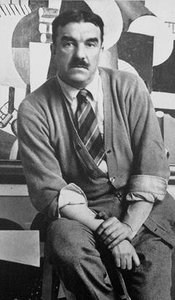
1881 - 1955 , Prancūzija

Explore the revolutionary world of Cubism. Discover how Pablo Picasso and Georges Braque dismantled perspective to redefine modern art through geometric innovation and analytical mastery. An essential guide for art students, collectors, and history enthusiasts.

Explore the revolutionary world of Cubism. Discover how masters Pablo Picasso and Georges Braque dismantled reality through geometric abstraction to redefine modern art history.

Master the complexities of Cubism with our expert guide. Explore how Picasso and Braque revolutionized modern art through fragmentation, multiple perspectives, and geometric innovation. Perfect for art students and collectors seeking deep historical insight.

Explore the sharp geometry and industrial soul of Precisionism. Discover how American Modernists like Charles Sheeler captured the Machine Age through Cubist-inspired landscapes and architectural precision in this definitive art history guide.


Sekite naujausias meno naujienas, išskirtinius pasiūlymus ir dekoravimo idėjas.
Pasakokite mums apie savo projektą, o mūsų meno ekspertai parengs jums 3 asmeniškus meno pasiūlymus.
Leiskite mums parinkti 3 variantus būtent jums – nemokamai!


 Peržiūrėti realybėje
 Pasidalinti
 Dalintis
 Išsamiau

 Atsisiųsti
 Panašūs eksponatai
 Rentgeno nuotrauka
 Automatinė diorama
 Skaityti daugiau







 Stiklo variantas prieinamas tik pasirinkus dydį iki 110 cm


