


x


 Pirkti atspaudą Užsisakyti kopiją
 Pasidalinti
 Išsamiau
 Pridėti į mėgstamiausius
 Atsisiųsti
 Panašūs eksponatai
 Rentgeno nuotrauka
 Automatinė diorama
Įsigykite aukštos skiriamosios raiškos, patobulintą skaitmeninį vaizdą, gerokai pranašesnį už internetinę peržiūrą.
Kiekvieną failą mūsų specialistai kruopščiai paruošia naudojant pažangias technologijas ir profesionalų rankinį retušavimą. Užtikriname, kad kiekvienas vaizdas pasižymėtų išskirtiniu aiškumu, tikslia spalvų atspalviu ir smulkiomis detalėmis.
Baigiamas failas el. paštu pristatomas per 72 valandas; jis optimizuotas nedelsiant naudojimui profesionalioje, redakcinėje ir spausdinimo aplinkoje. Tai ta pati kokybė, kuria pasitiki aukščiausios klasės dizaino studijos, leidyklos ir galerijos.
Atsisiųskite didelės raiškos failą asmeniniam naudojimui, spausdinimui ir kūrybiniams projektams.
Pasirinkę Most-Famous-Paintings.com, jūs ne tik gaunate paveikslėlį – jūs gaunate profesionaliai patobudintą skaitmeninį kūrinį, sukurtą itin tikniai ir užtikrinantį pasitenkinimą. Štai viską, kas automatiškai pritékia jūsų užsakymui:

Jūsų aukštos raiškos skaitmeninis vaizdo failas bus išsiųstas jums el. paštu per 72 valaudas nuo užsakymo – paruoštas naudojimui be jokių papildomų veiksmų.

Jūsų meno kūrinys profesionaliai optimizuojamas naudojant pažangius dirbtinio intelekto įrankius ir rankinį redagavimą, užtikrinant maksimalią detalę, aiškumą ir spalvų tikslumą.

Atsitiktinai ištrytikote ar praradote savo failą? Nebijokite – bet kuriuo metu atsiųsime jį jums vėl nemokamai.

Mėgaukitės savo meno kūriniu akimirka – skaitiniai failai visada yra neapmokestinami, todėl nereikės mokėti muitinės, mokesčių ar pristatymo mokesčių.

Naudodami profesionalią įrangą ir spalvų valdymo sistemas, užtikriname, kad jūsų skaitmeninis vaizdas kuo tiksliau atspindėtų originalias spalvas.

Jei nebuvate patenkinti savo skaitinio vaizdo, per 60 dienų jį pertaisysime arba grąkinsime 100% sumą – be jokių klausimų.

Nepat 만족inti? Gaukite visą sumokėtą sumą per 60 dienų nuo skaitmeninio failo gavimo – be jokių papildomų klausimų.

Pirkti 3 nuotraukas – pasiūla 10% - Pirkti 5 – pasiūla 15% - Pirkti 10 ir daugiau – pasiūla 20%. Puikiai tinka kūrybiniams projektams, galerijoms bei agentūroms.
Fernand Léger's “Eiffel Tower,” painted around 1927, offers a captivating glimpse into the artist’s unique vision of the burgeoning modern world. This striking black and white cityscape isn’t merely a depiction of Paris; it’s a carefully constructed tableau reflecting Léger’s fascination with industrial forms and his distinctive approach to Naïve Art – a style he championed that blended elements of Primitivism with a deliberate, almost childlike clarity. The painting immediately draws the eye to the monumental presence of the Eiffel Tower, rendered with a bold, geometric simplification that emphasizes its structural essence rather than romanticized beauty. Léger’s use of flattened perspective and simplified shapes contributes to an overall sense of dynamism, mirroring the rapid changes occurring in urban life during this period.
Léger’s artistic journey began in rural Normandy before he moved to Paris, where he was profoundly influenced by the rise of industrialization. He deliberately rejected traditional academic techniques, opting instead for a style characterized by bold outlines, simplified forms, and a vibrant use of color – though this particular rendition is monochrome, the underlying principles remain consistent with his broader oeuvre. This “Naïve Art” approach wasn’t about creating an illusion of reality; it was about distilling the *essence* of objects and experiences into their most fundamental shapes. The inclusion of smaller towers scattered throughout the scene reinforces this concept – each a self-contained, geometric unit contributing to the overall composition.
The painting’s subject matter—the Eiffel Tower itself—holds significant symbolic weight. Constructed for the 1889 World's Fair, it quickly became an emblem of Paris and France, representing technological progress and modernity. Léger’s interpretation elevates this symbol to something almost archetypal, stripping away extraneous detail to reveal its core structural identity. The lone figure in the painting adds another layer of interest, perhaps a solitary observer contemplating the scale and impact of this new urban landscape. This figure could be interpreted as an individual grappling with the changes brought about by industrialization – a theme central to Léger’s artistic concerns.
Created in 1927, “Eiffel Tower” exemplifies Léger's mature style, firmly rooted in his exploration of Naïve Art. The painting demonstrates a meticulous attention to detail within the simplified forms, showcasing his mastery of line and shape. It’s important to note that Léger was a key figure in the development of Cubism, though he ultimately diverged from its more abstract tendencies, retaining a connection to observable reality. This work reflects the broader artistic currents of the interwar period, a time of rapid technological advancement and social upheaval – themes powerfully articulated by Léger through his distinctive visual language.
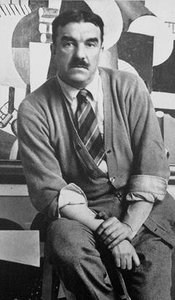
1881 - 1955 , Prancūzija


Sekite naujausias meno naujienas, išskirtinius pasiūlymus ir dekoravimo idėjas.
Pasakokite mums apie savo projektą, o mūsų meno ekspertai parengs jums 3 asmeniškus meno pasiūlymus.
Leiskite mums parinkti 3 variantus būtent jums – nemokamai!


 Dalintis


 Skaityti daugiau


