


x


 Pirkti atspaudą Pirkti skaitmeninį paveikslą
 Pasidalinti
 Išsamiau
 Pridėti į mėgstamiausius
 Atsisiųsti
 Panašūs eksponatai
 Rentgeno nuotrauka
 Automatinė diorama
 AcrylicWallArtGeometric Abstraction
 1918
1918 69.0 x 53.0 cm
Rankiniu būdu tapytas aliejus ant droblio jūsų pageidaujamame dydį ir rėmuose – mūsų menininkų darbas pagal užsakymą.





























Pasirinkite iš mūsų nustatytų dydžių, atitinkančių originalaus meno kūrinio proporcijas.

Galite įvesti savo matmenis, kad jie atitiktų konkretų rėmą ar erdvę. Jei pasirinktas dydis neatitinka originalaus paveikslėlio proporcijų, mes arba apkropsime meno kūrinį, arba papildysime tapybą rankomis dažytい elementais. Prieš pradėdami gamybą, jūsų patvirtinimui atsiųsime skaitmeninį maketą.
Atkreipkite dėmesį, kad ekrane rodomas vaizdas neatspindi tikrojo apkarpymo ar papildymo. Tik maketas tiksliai parodys galutinę kompoziciją.
Nors galima rinktis ir individualius dydžius, rekomenduojame pasirinkti matmenis iš nustatytos sąrašo, kad būtų išlaikytos originalios proporcijos.
Pristatymas visame pasaulyje () per 3–4 savaites, o ne įprastai – per 5 savaites. (20 liepa). Kokybė lieka nepakeičiama.


Factories
Reprodukcijos matmenys
Fernand Léger’s “Factories,” completed in 1918, isn't merely a depiction of industrial landscapes; it’s an audacious declaration that abstraction could serve as a conduit for conveying the profound transformations reshaping Europe at the dawn of the twentieth century. Painted during the tumultuous years following World War I, this artwork embodies the spirit of its time—a period marked by rapid technological advancement and a palpable anxiety about the future—yet Léger refuses to succumb to despair.
Léger's masterful technique showcases his commitment to exploring new artistic possibilities. He employs a bold stencil technique—a method pioneered by Léger himself—to achieve remarkable tonal variations and textural effects. This innovative approach allows him to capture the rough surfaces of industrial buildings and convey the palpable vibration of labor, creating an immersive experience for the viewer.
More than just a visual record of factories, “Factories” operates on a deeper symbolic level. The prominent circles and triangles scattered throughout the composition aren’t merely decorative elements; they represent fundamental geometric forms—circles symbolizing unity and completeness, triangles signifying stability and aspiration—reflecting Léger's belief that these shapes embody the essence of industrial progress. Notably, a clock positioned centrally serves as a poignant reminder of time passing and the relentless march forward into an uncertain future.
Despite its seemingly sterile depiction of industry, “Factories” possesses a surprising emotional resonance. Léger’s deliberate simplification aims to bypass sentimentalism, presenting instead a vision of humanity integrated with technology—a hopeful assertion that progress doesn't necessitate abandoning our connection to the natural world but rather embracing it as a source of inspiration and renewal. The painting invites contemplation on the role of art in confronting societal change and celebrating the transformative potential of human ingenuity.

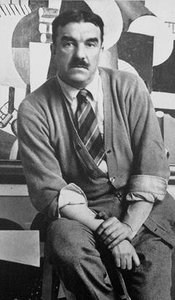
1881 - 1955 , Prancūzija
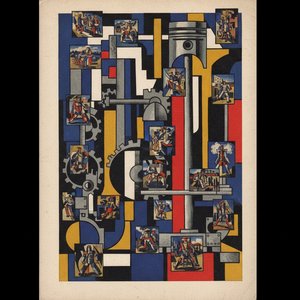
Atraskite 25 įspūdingiausius Fernand Léger šedevrus! Kubizmo meistro paveikslai, atspindintys pramonės amžių ir modernaus meno spalvas. Meno reprodukcijos interjerui – Most-Famous-Paintings.com
Atraskite 25 Paul Cézanno šedevrus! Išsami analizė, istorijos ir įkvėpimas interjero dekorui. Modernus menas, impresionizmas, natiurmortai – viskas Most-Famous-Paintings.com. Explore the full collection online!

Atraskite 25 įspūdingiausius Claude Monet šedevrus! Sužinokite apie impresionizmą, vandens lelijų paveikslus ir spalvų magiją. Meno reprodukcijos aukščiausia kokybe – Most-Famous-Paintings.com. Išsamesnės informacijos rasite internetu.
Journey through Wassily Kandinsky's 25 most iconic abstract paintings. Explore his revolutionary use of color, form & spiritual expressionism. Find museum-quality Kandinsky reproductions and elevate your home decor with Most-Famous-Paintings.com. Discover all masterpieces on Most-Famous-Paintings.com!
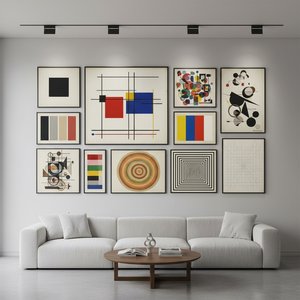
Atraskite 10 geometrinės abstrakcijos šedevrų – nuo Mondriano iki Malevičiaus! Sužinokite apie Piet Mondrian, Kazimir Malevič ir kitus menininkus. Meno kūriniai jūsų interjerui | Most-Famous-Paintings.com


Sekite naujausias meno naujienas, išskirtinius pasiūlymus ir dekoravimo idėjas.
Pasakokite mums apie savo projektą, o mūsų meno ekspertai parengs jums 3 asmeniškus meno pasiūlymus.
Leiskite mums parinkti 3 variantus būtent jums – nemokamai!


 Dalintis

 Skaityti daugiau







 Stiklo variantas prieinamas tik pasirinkus dydį iki 110 cm


